Discover the Magic of the Kalimba: A Heartfelt Invitation to Musical Joy

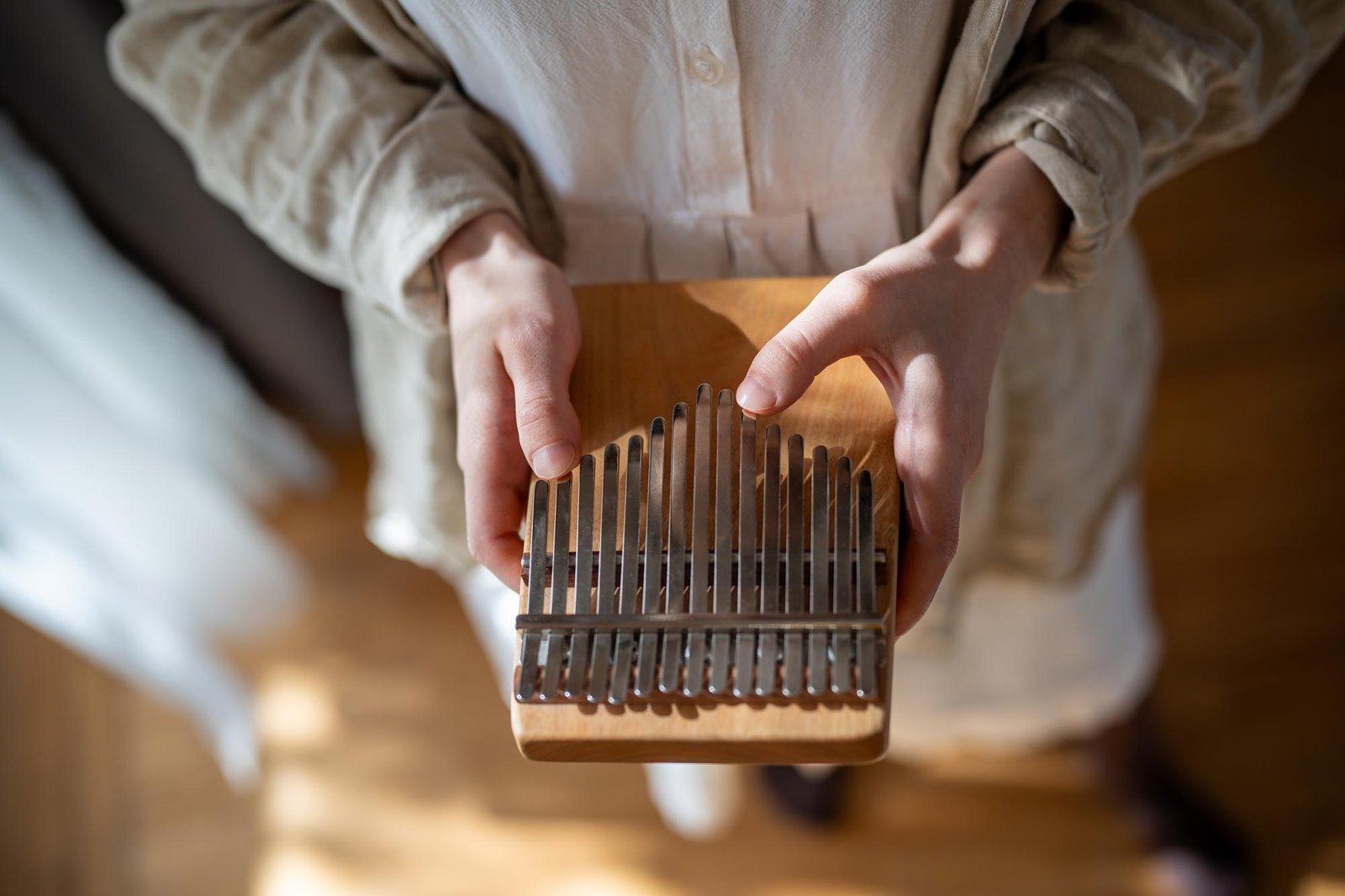

Imagine holding a piece of musical heritage in the palm of your hand, feeling the smooth wood and the cool touch of metal tines. The kalimba, with its humble appearance, holds a world of sounds that can evoke deep emotions and bring serene joy to both player and listener. As you embark on a journey with this enchanting instrument, you’re not just playing music; you’re connecting with a vibrant tradition that speaks directly to the soul.
Why the Kalimba Speaks to Us
The kalimba is not just an instrument; it’s a vessel of storytelling and emotional expression. Its soothing melodies can calm the mind and uplift the spirit. Each note plucked resonates with the heart, making it an exceptional companion for reflection and meditation. The simplicity of its playability invites everyone, regardless of musical background, to explore its harmonic potential.
Feel the Rhythm, Understand the Soul
The kalimba’s rhythms are a reflection of life’s own ebb and flow. Its music can range from the jubilant sounds of a festive dance to the introspective pace of a quiet evening. When you begin to play, you’ll notice how certain rhythms naturally uplift your spirit, while others may soothe and comfort. The resonance of each note can be felt not just through hearing, but through the vibrations it sends through your very fingertips.

Learning to Play: An Exciting Adventure
Embarking on the journey of learning the kalimba is to open a door to endless musical discoveries. Each tine offers a new sound, a new possibility. Beginners will find joy in mastering simple tunes within minutes, while more advanced players explore complex compositions that challenge and inspire. Online tutorials, guidebooks, and workshops abound, making it easy to start and joyful to progress.
Here’s a lovely quote from Siavash Akrami, a versatile musician known for his mastery of various musical instruments, about the kalimba:
“Playing the kalimba is like holding a conversation with history and emotion,” says Siavash. “It’s not merely an instrument; it’s a gateway to the soul’s deepest dialogues. Each note whispers stories of ancient times and sings songs of the heart. Its simplicity belies its profound ability to touch us deeply, making every melody a personal journey. Whether I’m exploring its sounds in the solitude of my studio or alongside the natural symphony of a quiet forest, the kalimba always ensures a pure, heartfelt connection that enriches my solitary musical explorations.”
Where to Play: Bringing Music to Life
One of the joys of the kalimba is its versatility. Picture yourself playing by a crackling campfire, on a peaceful beach, or during a serene hike in the forest. Its portability means you can bring melodies to life anywhere—whether you’re at home, traveling, or sharing music with friends at a gathering. Each setting lends a unique tone to the music, enriching the experience and creating unforgettable moments.
The Fun of Sharing and Socializing
The kalimba is a fantastic social instrument, perfect for gatherings and family music time. Its harmonious nature blends beautifully with other instruments, inviting collaborations that can range from casual jam sessions to more structured musical ensembles. Imagine the fun of creating your own songs, or the thrill of playing along with others, each note adding to a collective symphony of sounds.
A Call to Musical Exploration
If you’ve ever longed to touch something real and beautiful, to create music that moves and delights, the kalimba is calling to you. It offers not just a way to pass time, but a means to enrich life, connect with others, and express innermost thoughts and feelings. Embrace the joy, the ease, and the profound satisfaction of playing the kalimba. Let each plucked note pull at your heartstrings and lead you down a path of musical discovery and emotional fulfillment.
Ultimate Guide to Kalimba: Understanding Notes, Structure, and More
The Kalimba, also known as a thumb piano, is a musical instrument rooted in African music tradition. It consists of a series of metal tines of varying lengths, which are plucked with the thumbs to produce melodic tones. This guide will cover the basics of kalimba notes, how to read them, the structure of the instrument, and its cultural significance.
1. Kalimba Structure
- Body: Typically made of wood or a composite material, the body of the kalimba acts as a resonator to amplify the sound. Some models might also use a hollowed coconut shell or a plastic box.
- Tines: These are the metal keys that produce sound when plucked. They are attached to the top of the body and vary in length and thickness, which affects the pitch of the notes they produce.
- Bridge: This holds the tines in place and can be adjusted to alter their tension, thereby tuning the instrument.
- Sound Hole: Found in some kalimbas, the sound hole can be covered or uncovered to create a wah-wah effect, adding expressiveness to the music.
2. Kalimba Tones and Tuning
Kalimbas can be tuned to various scales, depending on the music they are intended to play. Common tunings include:
- C Major: The most common tuning for beginners because all the notes in the scale are natural (no sharps or flats).
- G Major: Involves tuning some of the tines to produce a G major scale.
- Custom Tunings: Some players tune their kalimbas to scales that fit specific songs or types of music, such as blues or pentatonic scales.
To tune a kalimba, a small hammer is typically used to tap the ends of the tines, pushing them in or out to raise or lower their pitch.
3. Reading Kalimba Notes
Kalimba notes can be represented in several ways:
- Number Notation: Each tine is assigned a number, and songs are played by following sequences of these numbers.
- Tablature (Tabs): This is a visual representation where the layout of the tines is drawn, and notes are indicated as letters or symbols on these drawings.
- Standard Notation: Some advanced players read standard musical notation adapted for the kalimba.
4. Playing Techniques
- Plucking: The basic technique involves using your thumbs to pluck the tines. Some advanced techniques include using the nails or the pads of the fingers for different sound effects.
- Vibrato: You can create a vibrato effect by shaking the kalimba back and forth quickly after plucking a tine.
- Glissando: Running your thumb quickly over a series of tines creates a glissando, much like a harp.
5. Cultural Significance and Variants
- Mbira: A close relative of the kalimba, traditionally used in Shona music from Zimbabwe, which has a larger set of tines and a deeper tone.
- Likembe: Another variant from the Congo with a distinctive tuning and sound.
Kalimbas often carry symbolic and spiritual meanings in their cultures of origin, used in ceremonies and storytelling.
6. Maintenance and Care
- Regular Tuning: Ensure your kalimba is regularly tuned to maintain its sound quality.
- Cleaning: Wipe the tines and body with a dry cloth to remove oils and dust.
- Storage: Keep the kalimba in a case or bag to protect it from damage and dirt.
Understanding the kalimba is just the start; learning to play this instrument can be a meditative and enriching experience, connecting you with a deep musical tradition. Whether you’re a beginner or a seasoned musician, the kalimba offers a unique way to explore music.
Understanding Kalimba Tines: Number, Names, and Functions
The number of tines on a kalimba can vary depending on the model and its intended use, typically ranging from 5 to 17 tines, with the most common configuration having 17 tines. Each tine corresponds to a specific note, and together they cover a range of musical scales. Here’s a breakdown to help you understand their arrangement and names:
Number of Tines and Standard Configurations
- 5-8 Tines: These are usually found on simpler, more traditional instruments or children’s kalimbas. They play a limited scale and are great for basic melodies and rhythms.
- 10 Tines: This configuration offers a good balance between simplicity and musical variety, suitable for playing simple songs and exploring different tunes.
- 17 Tines: The most popular configuration, providing a full range of notes that allow for playing complex songs and various musical scales. This setup typically covers more than two octaves, making it versatile for both beginners and experienced players.
Naming and Musical Notes
Each tine on a standard 17-tine kalimba is tuned to a specific note in the C major scale. The notes typically follow this pattern (from the center tine outward in a left-right sequence):
- Center Tine: C (middle C)
- Next Tines to the Left and Right: D and E
- Further Out: F and G
- Continuing Outwards: A and B
- Outermost Tines: C, D, E, F, G, A, and B (higher octaves)
This layout forms a kind of mirrored scale where the lower notes are in the center and the higher notes are on the outside, making it easy to play chords and melodies.
Function and Musical Roles
- Central Tines: Often used for the melody as they are easy to reach and control.
- Outer Tines: Typically play harmony and are used to embellish the melody with higher or lower notes.
Each tine’s length and material affect its pitch and tone quality. Shorter tines produce higher notes, while longer tines give deeper tones. The flexibility and thickness of the tines also contribute to the instrument’s overall sound, with thicker tines providing a richer tone.
Tuning and Adjustment
Tuning a kalimba involves adjusting the length of the tines. This is usually done by pushing them in or pulling them out to change the pitch. A tuning hammer is often used for this purpose, especially for finer adjustments.
Summary
The tines of a kalimba are central to its function and musicality. Understanding their number, names, and roles can greatly enhance your ability to play and enjoy the instrument. Whether you’re looking to play simple tunes or complex compositions, the configuration of the tines is key to mastering the kalimba.