No products in the cart.

Workspace Design Show Feb 25–26 2026 Industry Outlook
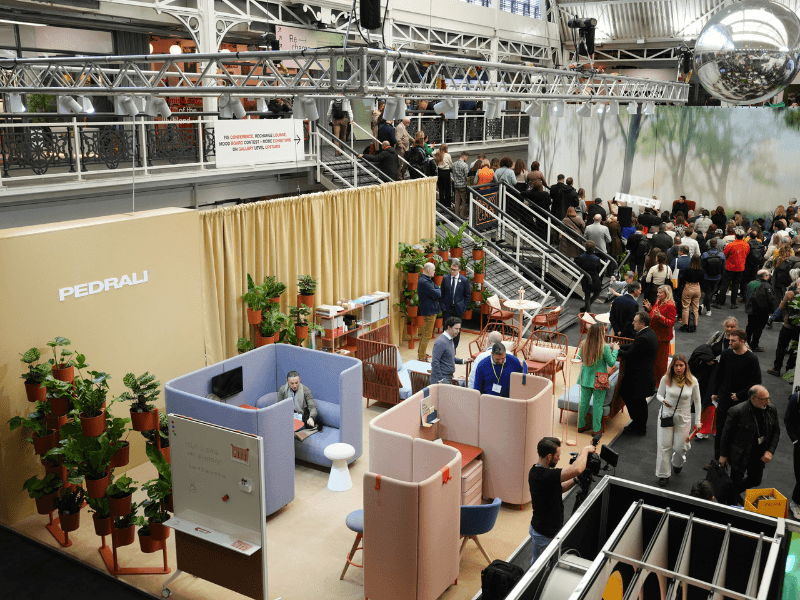
Workspace Design Show Feb 25–26 2026 Industry Outlook
The Workspace Design Show will return to London on 25–26 February 2026, positioning itself as a key meeting point for professionals shaping the future of workplace environments. Held at the Business Design Centre, 52 Upper Street, London N1 0QH, United Kingdom, the two-day event is set against a backdrop of rapid transformation in office design, corporate real estate strategy, and hybrid work models.
Hosted at one of London’s established exhibition venues, the Business Design Centre (https://www.businessdesigncentre.co.uk/), the show brings together architects, interior designers, developers, occupiers, consultants, and product manufacturers to examine emerging trends and commercial realities in workspace design. Official event details are available at https://workspaceshow.co.uk/.
Event Overview and Strategic Relevance
The Workspace Design Show Feb 25–26 2026 Industry Outlook centers on the evolving needs of organizations adapting to post-pandemic workplace patterns, sustainability imperatives, and technological integration. As companies recalibrate their real estate footprints, workplace design has become a strategic lever rather than a purely aesthetic consideration.

The event serves as a marketplace for design innovation and a forum for discussion on how physical work environments influence productivity, collaboration, talent attraction, and corporate culture. Attendees typically include commercial landlords, facilities managers, HR leaders, architects, and design studios, reflecting the cross-functional impact of workplace strategy.
Located in London, a global hub for finance, technology, and creative industries, the show benefits from proximity to major corporate occupiers and international design firms. Its timing in late February aligns with the annual planning cycles of many property and design stakeholders, making it a strategic moment for product launches, partnership announcements, and thought leadership.
The State of the Workspace Design Industry in 2026
The 2026 industry outlook for workspace design is shaped by three dominant forces: hybrid work stabilization, sustainability regulation, and technological convergence.
Hybrid Work and Flexible Space Models
After several years of experimentation, hybrid work has transitioned from emergency response to established operating model. Many organizations now maintain smaller, higher-quality office footprints designed to support collaboration and brand experience rather than routine desk work.
This shift has increased demand for modular furniture, adaptable floorplans, acoustic solutions, and integrated technology systems. Exhibitors at the Workspace Design Show typically represent sectors such as office furniture manufacturing, lighting design, flooring, smart building technology, and wellness solutions, all responding to clients seeking flexible and future-proof environments.
Flexible workspace operators and serviced office providers also play a role in the show’s ecosystem. As corporate occupiers seek shorter leases and scalable solutions, design becomes a differentiator in competitive urban markets such as London.
Sustainability and ESG Compliance
Environmental, social, and governance (ESG) requirements are reshaping commercial interiors. In the United Kingdom and across Europe, stricter building performance standards and carbon reduction targets are influencing material selection, lifecycle assessment, and retrofit strategies.
The Workspace Design Show Feb 25–26 2026 Industry Outlook reflects growing emphasis on circular design principles, low-carbon materials, and energy-efficient systems. Manufacturers are under pressure to provide transparent supply chains and verifiable sustainability credentials.
For property owners and developers, sustainable workspace design is no longer optional. It affects asset valuation, tenant demand, and regulatory compliance. As a result, industry events such as this serve as platforms for showcasing certified products, sustainable innovations, and best practices in retrofit and adaptive reuse.
Technology Integration and Smart Offices
Smart office systems, including occupancy sensors, AI-driven space analytics, and integrated collaboration tools, continue to influence design decisions. The convergence of physical and digital environments requires coordination between architects, IT departments, and facilities managers.
The London-based event provides a venue for demonstrating how digital infrastructure can be seamlessly embedded into workspace design. From intelligent lighting systems to advanced audiovisual setups, technology providers are increasingly central to the exhibitor mix.
Economic and Market Impact
The commercial real estate and office design sectors contribute significantly to the UK economy. London remains one of Europe’s largest office markets, with ongoing demand for Grade A space despite broader economic uncertainty. Investment in refurbishment and fit-out projects has risen as landlords compete to attract tenants seeking high-performance, sustainable offices.
Trade shows like the Workspace Design Show support this ecosystem by facilitating procurement decisions and accelerating deal flow. Exhibitors gain direct access to decision-makers responsible for specifying products in large-scale projects. Attendees benefit from exposure to new suppliers and design concepts that can influence multi-million-pound developments.
The Business Design Centre’s location in North London enhances accessibility for domestic and international visitors. As global supply chains stabilize and cross-border collaboration increases, the event reinforces London’s position as a European center for design leadership.
Exhibitors, Attendees, and Sector Participation
Although specific exhibitor and attendee figures for the 2026 edition have yet to be detailed publicly, the event traditionally attracts a broad cross-section of the workspace ecosystem. Participants often include:
– Office furniture and ergonomic seating manufacturers
– Lighting and acoustic solution providers
– Flooring, surface, and material specialists
– Smart building and workplace technology firms
– Architectural and interior design practices
– Commercial developers and property investors
The diversity of stakeholders underscores the integrated nature of modern workspace projects. Decisions about layout, materials, and technology are increasingly interconnected, requiring collaboration across disciplines.
For emerging brands and startups, the show provides visibility in a competitive market. For established manufacturers, it offers an opportunity to reinforce brand presence and respond to shifting buyer expectations.
London’s Role in the Global Workspace Dialogue
Hosting the Workspace Design Show in London, City of London, United Kingdom, reinforces the city’s standing in the global design and property industries. The UK market often acts as a testing ground for progressive workplace strategies, influenced by international capital flows and multinational occupiers.
The February 25–26, 2026 dates place the event early in the business calendar, allowing insights from the show to shape project pipelines for the remainder of the year. As companies continue to refine their real estate strategies in response to economic pressures and workforce expectations, the event’s discussions are likely to inform board-level decisions.
Outlook for 2026 and Beyond
The Workspace Design Show Feb 25–26 2026 Industry Outlook reflects an industry transitioning from reactive adaptation to strategic reinvention. Workplace design is now closely aligned with corporate identity, employee wellbeing, sustainability performance, and digital capability.
In this context, the London event functions not only as a product exhibition but as a barometer for broader market sentiment. The ideas, partnerships, and innovations presented at the Business Design Centre are expected to influence commercial interiors across the United Kingdom and internationally.
As the workspace sector continues to evolve, industry gatherings such as this will remain central to shaping standards, driving competition, and defining the next generation of office environments.

Related Posts