No products in the cart.

Work Truck Week 2026 NTEA Industry Outlook
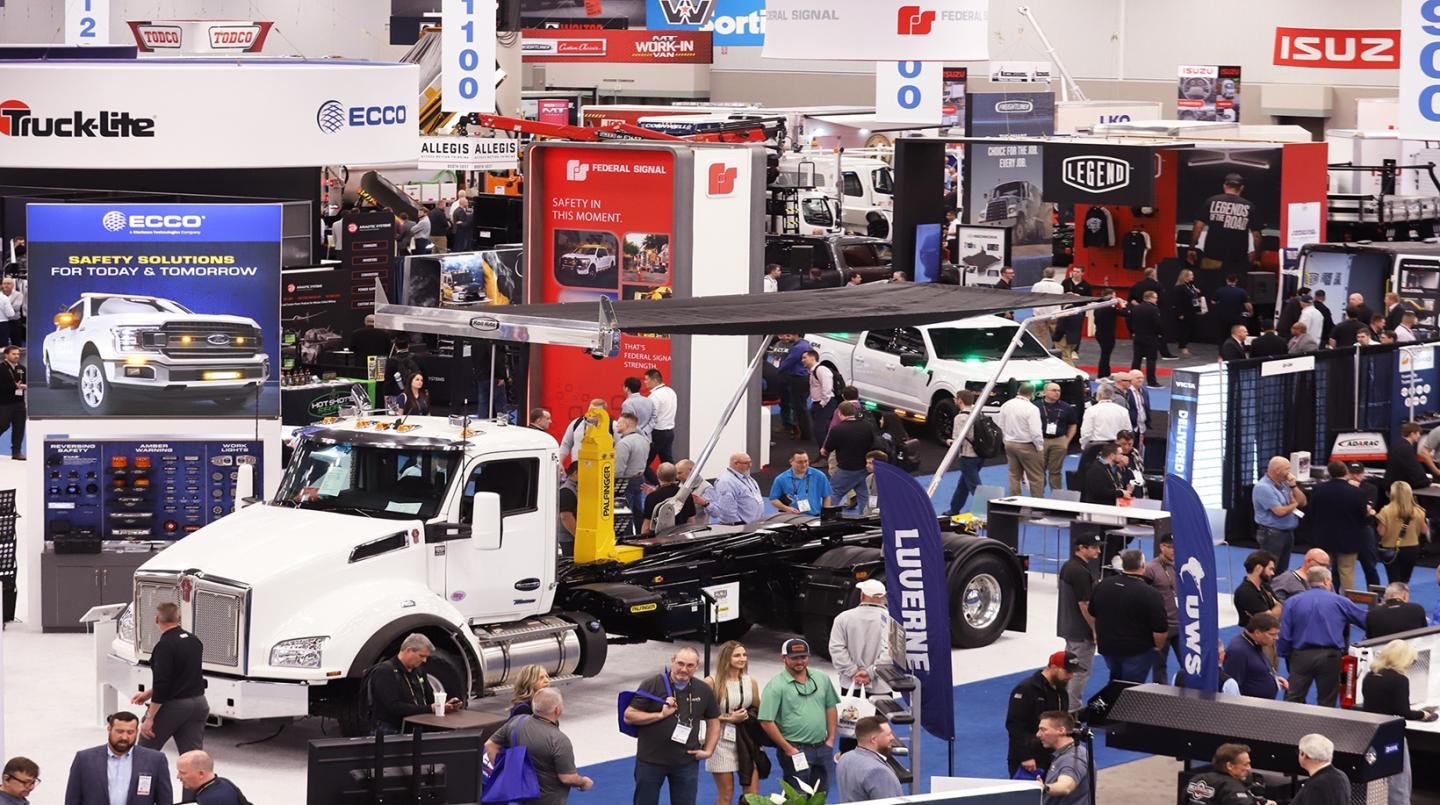

Work Truck Week 2026 NTEA Industry Outlook Signals Measured Growth and Strategic Shift in Commercial Vehicle Market
Work Truck Week 2026, organized by NTEA – The Association for the Work Truck Industry, returns to the Indiana Convention Center in Indianapolis, Indiana, from March 10–13, 2026. As North America’s largest work truck event, the annual gathering serves as a barometer for the commercial vehicle sector, with the NTEA Industry Outlook presentation standing as one of its most closely watched features.
Held at 100 S Capitol Ave in downtown Indianapolis, the multi-day event brings together manufacturers, upfitters, fleet managers, distributors, and suppliers from across the United States and abroad. Through product exhibits, educational sessions, and market briefings, Work Truck Week provides insight into the forces shaping medium- and heavy-duty truck markets, vocational vehicles, and fleet operations.
The NTEA Industry Outlook: Market Intelligence for a Changing Cycle
At the core of Work Truck Week 2026 is the NTEA Industry Outlook, an annual economic and market analysis focused on production volumes, fleet purchasing behavior, regulatory developments, and macroeconomic trends influencing the work truck industry.

The 2026 outlook reflects a market navigating normalization after several years of volatility marked by supply chain disruptions, semiconductor shortages, and pent-up fleet replacement demand. Analysts point to stabilizing chassis availability and improving lead times as production constraints ease. However, growth is expected to be more measured compared to the post-pandemic rebound period.
Key themes shaping the 2026 forecast include:
– Moderating but steady demand in core vocational segments such as construction, utilities, last-mile delivery, and municipal services
– Ongoing fleet replacement cycles driven by aging assets deferred during supply shortages
– Persistent cost pressures related to labor, materials, and compliance requirements
– Strategic capital planning amid uncertain interest rate trajectories
The NTEA’s data-driven outlook is closely followed by OEMs and upfitters because it provides segment-level projections across Classes 3–8 trucks and highlights regional and sector-specific demand patterns.
Event Overview: Scope and Industry Representation
Work Truck Week 2026 spans four days at the Indiana Convention Center, a venue that has become synonymous with the event’s growth. The show floor traditionally features hundreds of exhibitors displaying chassis, bodies, equipment, telematics systems, powertrain technologies, and fleet management solutions.
Attendees typically include:
– Fleet managers from private and public sectors
– Truck and chassis manufacturers
– Body builders and upfitters
– Equipment suppliers and technology providers
– Dealers and distributors
– Industry consultants and financial services firms
Educational programming extends beyond the Industry Outlook to cover regulatory compliance, electrification strategies, fleet optimization, and workforce development.
The event’s location in Indianapolis — a central logistics hub with strong transportation infrastructure — reinforces its accessibility and national reach. Indiana’s established manufacturing base and proximity to major Midwest trucking corridors further underscore the strategic alignment between the event and the broader commercial vehicle ecosystem.
Electrification and Alternative Powertrains: From Pilot to Practicality
One of the defining narratives of recent Work Truck Week gatherings has been the industry’s transition toward electrification and alternative fuels. The 2026 Industry Outlook addresses a maturing phase in this shift.
While electric work trucks continue to gain visibility, adoption remains highly application-specific. Urban delivery fleets, municipal vehicles, and utility operations with predictable routes are leading deployment. However, infrastructure constraints, upfront costs, and evolving incentive frameworks temper broader expansion in heavier-duty segments.
The 2026 outlook highlights:
– Incremental growth in Class 3–5 electric vehicle adoption
– Continued evaluation of hydrogen and renewable fuels for heavier-duty use cases
– Increased emphasis on total cost of ownership (TCO) analysis
– OEM and upfitter collaboration to integrate battery systems with specialized bodies and equipment
Rather than rapid displacement of internal combustion platforms, the industry appears to be entering a period of diversified powertrain strategies. Fleet operators are balancing sustainability targets with operational reliability and capital discipline.
Supply Chain Stabilization and Production Trends
Following several years of constrained chassis supply, 2026 projections indicate improved production alignment between OEMs and body manufacturers. Backlogs, while still present in certain segments, are easing compared to peak disruption years.
This stabilization carries significant implications:
– Upfitters can reduce inventory uncertainty and improve scheduling efficiency
– Fleets gain better visibility into delivery timelines
– Dealers experience more predictable ordering cycles
However, the Industry Outlook also notes that supply chain risks have not fully dissipated. Geopolitical tensions, raw material pricing, and component sourcing remain variables that could affect production planning.
Construction, Infrastructure, and Municipal Spending
Work truck demand is closely tied to construction activity and public infrastructure investment. Federal and state funding programs in the United States continue to support infrastructure upgrades, benefiting vocational truck segments such as dump bodies, service trucks, and utility vehicles.
Municipal fleet modernization is another critical demand driver. Aging public-sector vehicles, combined with emissions mandates and operational efficiency goals, are prompting phased replacement strategies. The 2026 forecast suggests steady municipal procurement, though budget cycles and grant funding timelines influence purchasing patterns.
For contractors and service providers, fleet investment decisions are increasingly linked to backlog visibility and regional economic indicators. The NTEA Industry Outlook underscores that while growth may not be explosive, fundamentals in core sectors remain stable.
Technology Integration and Data-Driven Fleet Management
Beyond powertrains, technology integration is reshaping the competitive landscape. Telematics, advanced driver-assistance systems (ADAS), and fleet analytics platforms are becoming standard considerations in procurement decisions.
Exhibitors at Work Truck Week 2026 are expected to showcase:
– Integrated telematics solutions for route optimization and predictive maintenance
– Safety technologies aligned with evolving federal standards
– Digital tools for upfit design and configuration
– Connectivity solutions bridging OEM chassis and aftermarket equipment
For fleets, the strategic imperative is no longer simply vehicle acquisition, but lifecycle optimization. Data visibility enables cost control, compliance management, and asset utilization improvements.
Economic and Strategic Importance of Work Truck Week
As a national industry gathering, Work Truck Week plays a central role in shaping strategic direction. The NTEA Industry Outlook presentation, in particular, informs capital allocation decisions, production planning, and supplier investment strategies for the year ahead.
The event’s economic footprint extends beyond the convention center. Indianapolis benefits from increased hospitality, transportation, and service activity during the four-day gathering. More broadly, the event supports business-to-business transactions that influence supply chains across North America.
For manufacturers and suppliers, the show floor serves as both a sales channel and a strategic intelligence platform. For fleet operators, it offers comparative evaluation of emerging technologies and procurement options.
A Market in Transition, Not Contraction
The overarching message from the Work Truck Week 2026 NTEA Industry Outlook is one of transition rather than contraction. The industry is moving from recovery-driven expansion to disciplined, data-informed growth.
Fleet replacement cycles, infrastructure investment, electrification strategy, and technology adoption will define the next phase of development. While economic uncertainties remain, the work truck sector continues to demonstrate resilience rooted in essential services — construction, utilities, delivery, and public works.
As the industry convenes in Indianapolis from March 10–13, 2026, stakeholders will be focused not only on immediate sales opportunities but on long-term positioning in a market balancing innovation with operational pragmatism.