No products in the cart.

Texas Library Association TLA 2026 Conference
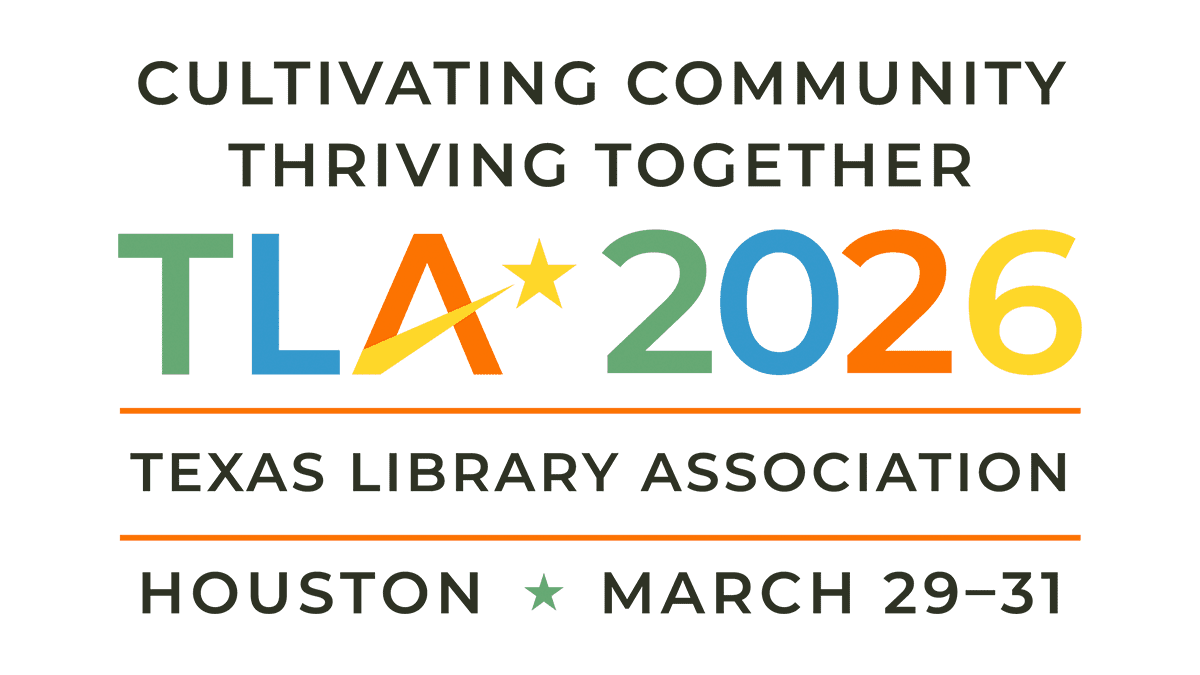

Texas Library Association TLA 2026 Conference to Convene in Houston Amid Rapid Library Sector Transformation
The Texas Library Association (TLA) 2026 Conference is set to take place from March 29 to March 31, 2026, at the George R. Brown Convention Center, located at 1001 Avenida De Las Americas, Houston, Texas 77010. As one of the largest state-level library gatherings in the United States, the annual event draws thousands of librarians, educators, publishers, technology providers, and public sector leaders to examine the evolving role of libraries in a digital and data-driven era.
Hosted in Houston, a major metropolitan and economic hub, the TLA 2026 Conference will serve as a focal point for policy discussions, professional development, vendor exhibitions, and strategic planning within the library and information services sector.
A Key Event in the U.S. Library Industry Calendar
The Texas Library Association represents one of the largest state library organizations in the country. Its annual conference is widely recognized as a significant event for public libraries, academic institutions, K–12 school districts, and specialized libraries across Texas and neighboring states.

The 2026 edition at the George R. Brown Convention Center is expected to attract a broad cross-section of stakeholders, including:
– Public and academic librarians
– School library media specialists
– Library directors and administrators
– Trustees and municipal officials
– Publishers and content distributors
– Library technology vendors
– Educational service providers
The event typically features educational sessions, keynote addresses, author engagements, networking forums, and an expansive exhibit hall showcasing new products and services.
Houston as Strategic Host City
Houston’s George R. Brown Convention Center is one of the largest convention facilities in Texas, regularly hosting major industry and trade events. Its central downtown location and proximity to hotels, transportation, and cultural institutions make it well suited for a statewide gathering of this scale.
For Houston, hosting the TLA 2026 Conference contributes to the city’s convention economy. Conferences of this size generate hotel bookings, restaurant traffic, transportation usage, and related service-sector activity. Business travel tied to professional associations remains an important component of the city’s tourism and hospitality sector.
Beyond short-term economic activity, Houston’s selection as host city underscores the importance of large urban library systems in shaping statewide policy and innovation.
Industry Context: Libraries in a Period of Structural Change
The Texas Library Association TLA 2026 Conference comes at a time of significant transition in the library and information services industry. Libraries across the United States are redefining their roles amid:
– Accelerated digital content adoption
– Expansion of e-books, audiobooks, and streaming services
– Increased demand for digital literacy and workforce development programming
– Heightened scrutiny over content selection and intellectual freedom
– Integration of artificial intelligence and data management tools
Public libraries are increasingly functioning as community hubs, offering access to broadband internet, job search assistance, continuing education, and civic programming. Academic libraries are navigating shifts in scholarly publishing models, including open access mandates and subscription cost pressures.
In Texas, one of the fastest-growing states in the country, demographic growth and school enrollment expansion create additional demands on public and school library systems. The TLA 2026 Conference provides a platform for stakeholders to address funding models, legislative developments, and community engagement strategies.
Exhibitors and the Business of Library Services
A major component of the TLA Conference is its exhibitor hall, where publishers, database providers, educational technology firms, furniture manufacturers, and software developers present their latest offerings.
Key sectors typically represented include:
Publishing and Content Distribution
Trade publishers, academic presses, and independent publishers use the conference to connect directly with librarians responsible for collection development. With library purchasing budgets representing a stable revenue channel for many publishers, face-to-face engagement remains commercially significant.
Library Technology and Automation
Integrated library systems (ILS), cloud-based catalog platforms, digital lending services, and analytics tools are central to modern library operations. Vendors leverage the conference to demonstrate new capabilities in artificial intelligence-assisted search, circulation optimization, and user experience design.
Educational and EdTech Providers
As school libraries expand their instructional role, vendors offering curriculum-aligned materials, literacy platforms, and STEM resources find an engaged audience at TLA.
Facilities and Space Design
With many libraries renovating or expanding to accommodate collaborative spaces, makerspaces, and flexible learning environments, architectural and furniture providers also maintain a presence.
For vendors, the Texas market is particularly attractive. The state’s large public school system, extensive network of public libraries, and numerous higher education institutions represent a sizable and diverse client base.
Policy, Governance, and Legislative Considerations
The Texas Library Association plays an active role in advocacy at the state level. The 2026 Conference is likely to include sessions focused on funding allocations, state legislation affecting libraries, and federal policy developments.
Recent years have seen increased debate nationwide over book challenges, intellectual freedom, and parental oversight in school libraries. Texas has been among the states where these issues have generated significant legislative attention. As a result, the TLA Conference serves not only as a professional development forum but also as a venue for policy alignment and sector-wide dialogue.
Budget constraints and inflationary pressures further shape discussions around resource allocation, staffing, and long-term sustainability. Library leaders are tasked with balancing community expectations against fiscal realities.
Workforce Development and Professional Training
Another central focus of the Texas Library Association TLA 2026 Conference is professional training. Libraries face evolving skill requirements, including:
– Digital content management
– Data privacy compliance
– Community outreach and programming
– Grant writing and fundraising
– Technology troubleshooting and IT coordination
Conference workshops and panels provide continuing education credits and leadership training opportunities. For early-career librarians, the event offers networking pathways and exposure to potential employers.
Given nationwide workforce shortages in education and public service roles, recruitment and retention strategies are likely to feature prominently in discussions.
Economic and Strategic Significance
From a macro perspective, the TLA 2026 Conference highlights the scale and complexity of the library ecosystem. Libraries represent a multi-billion-dollar sector encompassing public funding, private publishing revenue, technology procurement, and construction investment.
In Texas alone, hundreds of public library systems and thousands of school libraries operate within a rapidly expanding population base. Strategic decisions made by administrators and policymakers influence procurement patterns, vendor contracts, and long-term infrastructure development.
For industry participants, the conference provides a concentrated opportunity to assess market direction, regulatory developments, and purchasing priorities. For municipalities and educational institutions, it serves as a venue to benchmark best practices and identify cost-effective solutions.
Outlook for TLA 2026
As the Texas Library Association TLA 2026 Conference approaches, the event is positioned as a critical forum for examining how libraries adapt to technological change, shifting public expectations, and evolving policy landscapes.
Taking place at the George R. Brown Convention Center in Houston from March 29–31, 2026, the conference reflects both the enduring importance of libraries and the significant transformation underway within the information services sector. In a period defined by digital acceleration and heightened public scrutiny, the gathering is expected to play a pivotal role in shaping strategic direction for libraries across Texas and beyond.