No products in the cart.

SIAL India 2026 Food Industry Expo in India
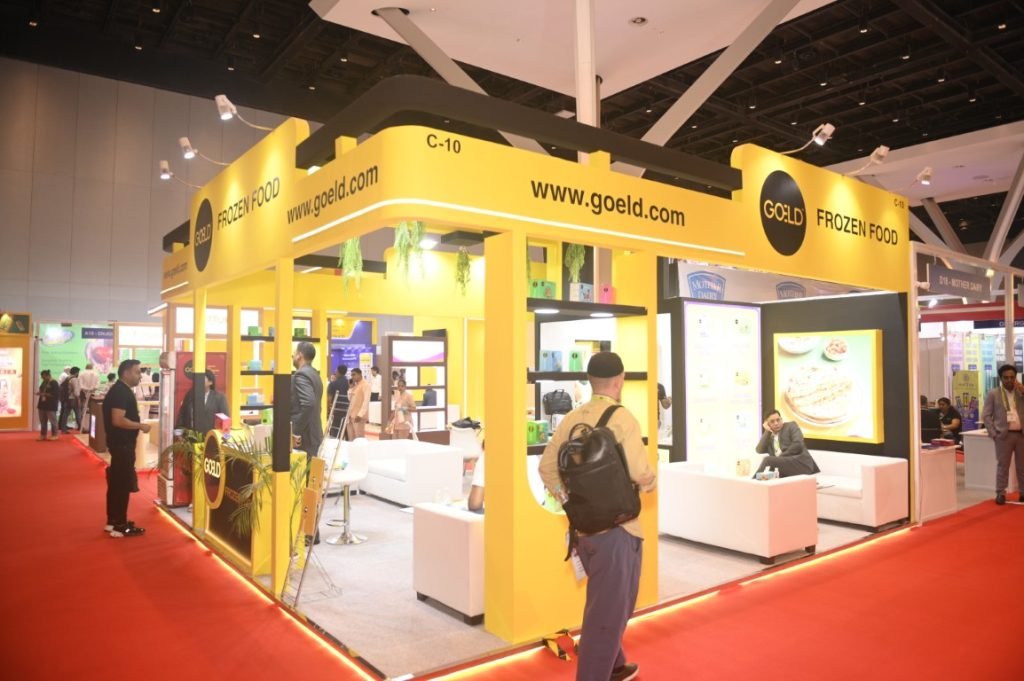
SIAL India 2026 Food Industry Expo to Spotlight Growth and Global Integration of India’s Food Sector
SIAL India 2026 Food Industry Expo in India is set to take place from April 10 to April 12, 2026, at the JIO World Convention Centre in Mumbai, Mahārāshtra. Hosted at G Block, BKC, Bandra Kurla Complex, Bandra East, 400098, the event forms part of the internationally recognized SIAL network, one of the world’s leading food and beverage exhibition brands.
As India’s food processing and retail markets continue to expand, SIAL India 2026 is positioned as a key business-to-business platform connecting domestic producers, international brands, distributors, importers, exporters, and institutional buyers.
Event Overview and Strategic Location
Dates and Venue
The three-day expo will run from April 10 to April 12, 2026, at the JIO World Convention Centre in Mumbai. The venue, located in the Bandra Kurla Complex (BKC), is one of India’s most prominent business districts and a strategic hub for corporate headquarters, financial institutions, and multinational companies.

The JIO World Convention Centre is known for hosting large-scale international exhibitions and trade shows, providing advanced exhibition infrastructure, conference facilities, and networking spaces. Its location in Mumbai—India’s financial capital—reinforces the event’s positioning as a gateway to both domestic and global food markets.
Part of the Global SIAL Network
SIAL India operates under the broader SIAL brand, which organizes food industry exhibitions across major global markets. The network’s international presence strengthens cross-border participation, drawing overseas exhibitors seeking entry into India’s rapidly expanding consumer base, as well as Indian companies targeting export growth.
The official event website, https://www.sialindia.com, provides detailed information on exhibitor registration, visitor categories, and sector highlights.
Industry Scope and Exhibitor Profile
SIAL India 2026 Food Industry Expo in India is expected to showcase a broad cross-section of the food and beverage value chain. Exhibitors typically represent sectors such as:
– Packaged and processed foods
– Dairy and dairy alternatives
– Beverages, including alcoholic and non-alcoholic segments
– Confectionery and bakery
– Frozen and convenience foods
– Organic and health-focused products
– Food ingredients and additives
– Food processing equipment and packaging solutions
The diversity of exhibitors reflects the structural transformation of India’s food industry, which has evolved from fragmented regional production to increasingly organized, branded, and export-oriented operations.
For international participants, India presents a dual opportunity: access to a consumer market of over 1.4 billion people and integration into a manufacturing ecosystem that is expanding under government-led initiatives to strengthen food processing infrastructure.
Attendees and Business Participation
The expo primarily targets trade visitors, including:
– Retail chains and supermarket buyers
– Hotel, restaurant, and catering (HoReCa) procurement managers
– Importers and exporters
– Food service companies
– Distributors and wholesalers
– Institutional buyers
– Industry consultants and policymakers
Mumbai’s connectivity enhances participation from across India and overseas markets. As a commercial center with strong port infrastructure and global air links, the city is strategically aligned with the logistics needs of the food import-export sector.
Networking sessions, product launches, and business matchmaking activities are expected to facilitate commercial partnerships, supply agreements, and joint ventures.
India’s Food Industry: Market Context
Rapid Market Expansion
India’s food processing sector is among the country’s largest industries, contributing significantly to manufacturing output and employment. Rising urbanization, higher disposable incomes, and changing consumption habits have accelerated demand for packaged and value-added foods.
The growth of organized retail, e-commerce grocery platforms, and quick commerce models has further reshaped distribution channels. This transformation increases the relevance of trade expos like SIAL India, where suppliers and buyers align on product innovation, packaging standards, and logistics requirements.
Export and Import Dynamics
India is a major exporter of agricultural commodities, spices, rice, marine products, and processed foods. At the same time, the country imports specialty ingredients, premium packaged goods, and advanced food processing technologies.
SIAL India 2026 serves as a meeting point for these trade flows. International exhibitors gain exposure to Indian distributors and retail chains, while domestic manufacturers explore export channels through foreign buyers attending the expo.
Technology and Sustainability Trends
Key themes likely to shape discussions at SIAL India 2026 include:
– Clean-label and health-oriented product development
– Plant-based and alternative protein innovations
– Sustainable sourcing and traceability
– Smart packaging solutions
– Automation in food processing
As consumers become more health-conscious and environmentally aware, food brands are under pressure to innovate. Industry exhibitions provide a venue to showcase compliance with international quality certifications, food safety standards, and sustainability benchmarks.
Economic and Strategic Significance
Strengthening India’s Food Processing Ecosystem
India’s government has prioritized food processing as a high-potential sector to reduce post-harvest losses, increase farmer incomes, and expand exports. Trade fairs such as SIAL India support these objectives by connecting primary producers, processors, and global buyers.
By hosting the event in Mumbai, the expo aligns with one of India’s most influential economic regions. Mahārāshtra itself is a major producer of fruits, vegetables, dairy, and processed foods, making it a logical location for a national and international food exhibition.
Facilitating Foreign Investment
Foreign direct investment in food processing, retail, and supply chain infrastructure has grown steadily. International brands seeking to enter India often use trade exhibitions to assess local demand, regulatory requirements, and distribution partnerships.
SIAL India 2026 is likely to function as an entry point for global companies evaluating market feasibility. Face-to-face engagement with Indian stakeholders reduces information gaps and accelerates decision-making.
Supporting SMEs and Startups
Small and medium-sized enterprises (SMEs) form a large portion of India’s food manufacturing base. For these businesses, participation in a recognized international expo can enhance visibility, credibility, and access to new markets.
Startups in functional foods, organic products, and ready-to-eat segments increasingly use such platforms to attract distributors and investors. As consumer preferences shift toward convenience and wellness, these emerging companies represent a growing share of the exhibition landscape.
Outlook for SIAL India 2026
Scheduled for April 10–12, 2026, at the JIO World Convention Centre in Mumbai, SIAL India 2026 Food Industry Expo in India arrives at a pivotal moment for the sector. With rising domestic consumption, expanding export ambitions, and accelerating technological adoption, the Indian food industry is undergoing structural transformation.
The expo’s role extends beyond product display. It operates as a strategic convergence point for trade, innovation, and policy dialogue within one of the world’s fastest-growing food markets. By integrating global participation with India’s evolving food ecosystem, SIAL India 2026 is expected to reflect the broader trajectory of an industry that is increasingly interconnected, competitive, and internationally oriented.

Related Posts