No products in the cart.

Rome Bridal Week RBW Set for March 22–24 2026
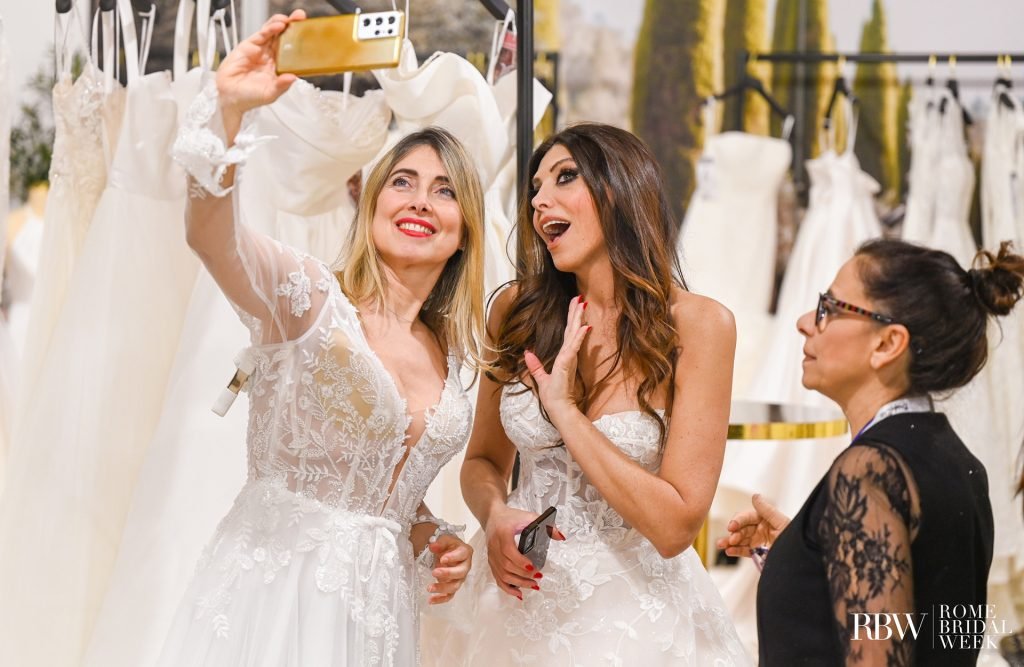
Rome Bridal Week RBW Set for March 22–24, 2026 at Fiera di Roma
Rome Bridal Week (RBW) will return to the Italian capital from March 22 to March 24, 2026, bringing together bridal fashion brands, buyers, and industry professionals at Fiera di Roma. The three-day trade event will take place at Via Portuense, 1645, 00148 Rome, Lazio, positioning the city once again as a key meeting point for the international bridalwear market.
Hosted at one of Italy’s largest exhibition centers, RBW is dedicated exclusively to bridal fashion and related sectors. The event serves as a commercial platform where manufacturers, designers, distributors, and retailers connect to present new collections and negotiate orders ahead of upcoming wedding seasons. More information is available through the official event website, romebridalweek.com, and venue details at fieraroma.it.
A Strategic Platform for the Bridal Industry
Focus on Bridalwear and Occasion Fashion
Rome Bridal Week is structured as a B2B trade fair, targeting bridal boutiques, department store buyers, concept stores, and international distributors. Exhibitors typically include bridal gown designers, eveningwear labels, groom attire brands, accessories manufacturers, and suppliers of veils, footwear, and jewelry tailored to wedding ceremonies.

The timing in late March is strategically aligned with retail buying cycles. Buyers attending RBW are able to review and select collections for future seasons, particularly Spring/Summer and early Autumn lines. For designers and manufacturers, the event offers a centralized venue to present craftsmanship, innovation in fabrics, and evolving silhouettes to a concentrated professional audience.
International Reach from a European Hub
Rome’s position as a global tourism and fashion capital adds to the event’s international appeal. Italy is widely recognized for its textile heritage, tailoring expertise, and luxury production standards. By hosting RBW in Lazio’s capital city, organizers leverage both logistical accessibility and the prestige associated with Italian fashion.
Fiera di Roma provides large-scale exhibition infrastructure, facilitating runway showcases, showroom-style booths, and networking areas. Its connectivity to Rome’s international airport further enhances attendance from Europe, the Middle East, Asia, and the Americas—regions that represent significant demand for bridal couture and formalwear.
Market Context: The Global Bridalwear Sector
Steady Demand in a Resilient Industry
The global bridalwear market remains resilient despite broader fluctuations in consumer spending. Weddings continue to represent high-value, emotionally driven purchases, with couples allocating significant budgets to attire. Industry analysts note that while the number of ceremonies may vary year to year depending on demographic and economic conditions, average spending per wedding has generally trended upward in many developed markets.
Italy itself is both a production center and an export hub for bridal gowns. “Made in Italy” branding carries weight in luxury and mid-to-high-end segments. Events such as Rome Bridal Week play a critical role in sustaining export relationships, particularly with boutique retailers seeking differentiated, design-led collections.
Evolving Consumer Preferences
Recent years have seen notable shifts in bridal fashion:
– Increased demand for customizable and made-to-measure gowns
– Growing interest in minimalist and contemporary silhouettes
– Expansion of inclusive sizing and gender-neutral ceremonial attire
– Sustainability considerations, including eco-friendly fabrics and local production
Trade fairs like RBW provide a venue for brands to demonstrate how they are responding to these shifts. Buyers increasingly evaluate collections not only on aesthetics but also on supply chain transparency, delivery timelines, and price positioning.
Economic and Regional Impact
Business Tourism and Local Economy
Hosting Rome Bridal Week contributes to Rome’s business tourism segment. Trade fairs generate demand for hotels, restaurants, transportation services, and local suppliers. With hundreds of professionals typically attending industry-specific events of this scale, the economic ripple effect extends beyond the exhibition halls.
For Lazio’s regional economy, RBW supports small and medium-sized enterprises (SMEs) operating in textiles, tailoring, embroidery, and accessories manufacturing. Many Italian bridal brands are family-owned businesses that rely on trade shows to secure international orders and maintain global visibility.
Strengthening Italy’s Fashion Trade Fair Calendar
Italy hosts several fashion and textile trade events throughout the year, primarily concentrated in Milan and Florence. Rome Bridal Week adds geographic diversification to the national trade fair calendar, strengthening Rome’s profile as more than a cultural and political center.
By maintaining a dedicated focus on bridal and occasionwear, RBW complements rather than competes directly with broader fashion weeks. Its niche positioning allows for targeted networking and specialized commercial discussions.
Exhibitors and Attendees: Who Participates
Designers, Manufacturers, and Suppliers
Exhibitors at Rome Bridal Week typically span multiple segments:
– Bridal gown designers and couture ateliers
– Ready-to-wear bridal manufacturers
– Groom and formal menswear brands
– Accessories producers, including veils, headpieces, gloves, and belts
– Footwear and bridal jewelry companies
– Fabric and lace suppliers specializing in ceremonial textiles
This cross-section reflects the integrated nature of the wedding fashion ecosystem, where coordination between apparel, accessories, and textile innovation is essential.
Buyers and Industry Professionals
Attendees are primarily trade professionals rather than consumers. They include:
– Independent bridal boutique owners
– Buyers for multi-brand retail stores
– International distributors
– E-commerce bridal platforms
– Fashion agents and sourcing consultants
For many retailers, attending RBW is part of a broader sourcing strategy that includes evaluating price points, exclusivity agreements, and minimum order quantities. Face-to-face interaction remains crucial in bridalwear, where fabric quality and garment construction significantly influence purchasing decisions.
Strategic Importance in a Competitive Landscape
The bridal trade show circuit is competitive, with events in Barcelona, New York, and other fashion capitals. Rome Bridal Week differentiates itself through its Italian identity and concentration of regional craftsmanship.
As global supply chains continue to face pressures—from logistics costs to geopolitical uncertainties—European production hubs are reassessing their sourcing models. Italian manufacturers positioned at RBW may benefit from buyers seeking closer-to-market suppliers within Europe.
Moreover, digital transformation is reshaping wholesale interactions. While virtual showrooms and online catalogs have gained traction, industry participants consistently report that tactile evaluation remains indispensable in bridalwear. RBW’s physical format supports this need while enabling networking that often leads to long-term distribution partnerships.
Outlook for March 2026
With its 2026 edition scheduled for March 22–24 at Fiera di Roma, Rome Bridal Week is poised to serve as an early-season barometer for bridal fashion trends and retail sentiment. As the wedding industry adapts to shifting demographics, evolving consumer expectations, and technological integration, trade platforms like RBW continue to anchor commercial relationships.
By convening designers, manufacturers, and buyers under one roof in Rome, the event reinforces Italy’s standing in the global bridal market and highlights the ongoing economic and cultural significance of the wedding fashion sector.

Related Posts