No products in the cart.

Paris International Agricultural Show 2026 Market Outlook
Paris International Agricultural Show 2026 Market Outlook
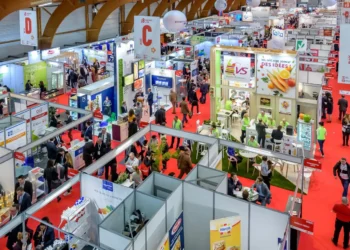
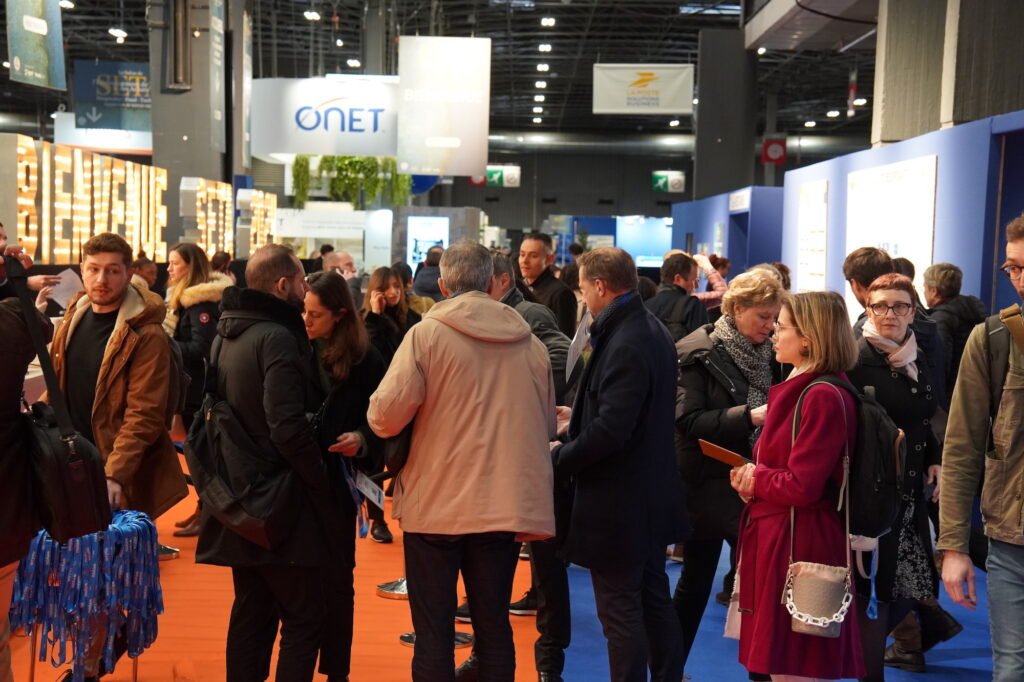
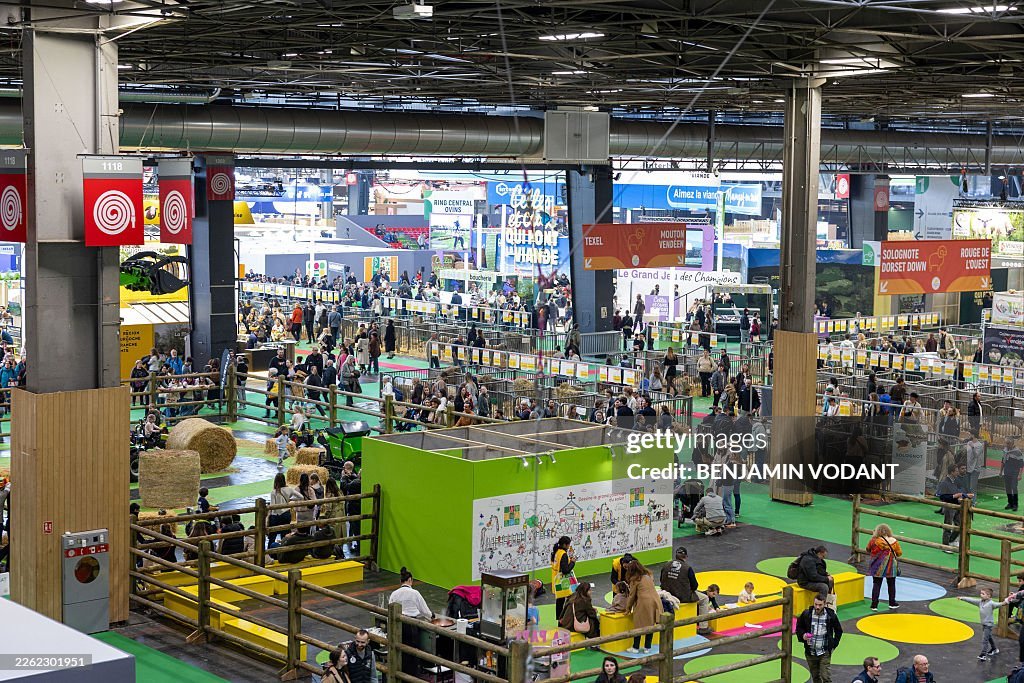
The Paris International Agricultural Show 2026 Market Outlook reflects a sector at a strategic crossroads. Scheduled to take place from February 21 to March 1, 2026 at Paris Porte de Versailles, 1 Place de la Porte de Versailles, 75015 Paris, Île-de-France, France, the event is positioned as a central reference point for the French and wider European agricultural economy. According to the official website, en.salon-agriculture.com, the show remains one of the most closely followed agricultural gatherings in France, serving both as a public showcase and a commercial barometer for the year ahead.
Arriving at a time of farm income volatility, climate-related production risks, and regulatory transformation, the 2026 edition is expected to offer insight into how producers, agribusinesses, and policymakers are recalibrating strategies across the food value chain.
A Strategic Moment in the Agricultural Calendar
Held at Paris Porte de Versailles at the end of February and beginning of March, the show’s timing is commercially significant. Farmers and cooperatives attend as they finalize input decisions, review winter crop conditions, and assess planting strategies. Agribusiness suppliers use the platform to test market sentiment, gauge investment appetite, and strengthen distribution networks ahead of the main growing season.

Beyond product exhibitions, the Paris International Agricultural Show functions as a high-visibility forum where food security, livestock management, crop resilience, land use, and rural competitiveness are debated. In France, where agriculture carries economic and political weight, discussions at the event often mirror broader national and European policy tensions.
Who Attends and Why It Matters
The audience spans the full agricultural value chain. Farmers evaluate equipment, seed genetics, feed solutions, crop inputs, veterinary services, and digital farm management platforms. Cooperatives and processors monitor supply conditions and quality trends. Equipment manufacturers and agri-tech developers assess purchasing intent and competitive positioning.
Public officials, trade associations, and regional authorities attend to communicate regulatory priorities and gather direct industry feedback. Retailers and food brands gain insight into supply stability, traceability systems, and consumer-facing production standards. International visitors view the show as a concentrated window into French agriculture, one of the European Union’s most influential farm markets.
This mix of stakeholders positions the event as more than a trade fair; it operates as a real-time indicator of agricultural business confidence and structural direction.
Market Forces Shaping the 2026 Edition
Climate Adaptation and Production Risk
Weather volatility remains one of the defining forces behind the Paris International Agricultural Show 2026 market outlook. Producers face increasing pressure to manage water resources more efficiently, diversify crop rotations, and enhance soil resilience. These concerns are expected to drive attention toward precision agriculture tools, irrigation efficiency systems, resistant seed varieties, agronomic advisory services, and biological inputs.
Exhibitors focused on climate adaptation technologies are likely to attract strong engagement, particularly as insurers, lenders, and policymakers incorporate climate risk into financing and compliance frameworks.
Cost Management and Margin Pressure
Even where commodity markets show relative stability, farmers continue to navigate uncertainty around fertilizer, feed, energy, labor, and financing costs. This has intensified scrutiny on return on investment for machinery, automation, and digital tools.
Suppliers of farm equipment, robotics, animal nutrition solutions, and input optimization platforms are operating in an environment where purchasing decisions are increasingly data-driven. The 2026 show is expected to reflect a shift from speculative technology adoption toward solutions that demonstrate measurable productivity gains and waste reduction.
Sustainability and Regulatory Compliance
Environmental compliance has become central to agricultural strategy. Across Europe, producers and agribusinesses face evolving requirements related to emissions, biodiversity protection, pesticide reduction, animal welfare, and traceability.
At the Paris show, sustainability is expected to feature prominently across sectors. Regenerative agriculture systems, carbon measurement tools, low-input production models, and certification support services are likely to gain visibility. For many businesses, sustainability is no longer solely a reputational issue but a prerequisite for market access and capital allocation.
Consumer Demand and Food Sovereignty
French and European consumers remain highly attentive to food origin, price, quality, and production standards. These expectations have reinforced the strategic importance of domestic supply chains and food sovereignty.
The Paris International Agricultural Show connects primary production with processing, branding, and retail distribution. Regional product showcases and agri-food exhibitors highlight the commercial link between farm practices and consumer trust. For export-oriented producers, the event also offers an opportunity to reinforce France’s positioning in global agri-food markets.
Sector Coverage and Commercial Themes
Although specific exhibitor and attendee figures are not detailed, the event’s market relevance stems from the diversity of sectors represented. Livestock remains a defining feature, placing emphasis on breeding, genetics, feed efficiency, veterinary innovation, and animal welfare. These segments are central to France’s dairy and meat industries and carry significant export implications.
In crop production, seed innovation, mechanization, agronomy services, and precision application systems are expected to dominate discussions. As regulatory pressure around chemical inputs increases, biological alternatives and data-driven application technologies are gaining commercial traction.
Digital agriculture continues its transition from pilot projects to scalable deployment. Sensors, robotics, remote monitoring systems, and farm management software are increasingly evaluated on integration capability and cost efficiency. The key business question for 2026 is whether digital tools can deliver consistent economic returns across varying farm sizes and production models.
Economic and Strategic Significance
The economic impact of the Paris International Agricultural Show extends beyond on-site transactions. Major trade events generate spending across hospitality, transport, logistics, and media in Paris. More significantly, they influence procurement decisions, distribution agreements, and investment pipelines that unfold over subsequent quarters.
For France, the show reinforces Paris as a central decision-making hub for a sector that remains critical to employment, exports, and land management. Agriculture continues to play a foundational role in national food systems and rural economies.
At the European level, the Paris International Agricultural Show 2026 Market Outlook provides a benchmark for how one of the EU’s largest agricultural producers is adapting to structural change. France’s performance in grains, dairy, and livestock markets carries weight across regional trade balances and policy debates.
As the 2026 edition approaches, the event is set to serve as a practical indicator of resilience, investment appetite, and strategic direction within European agriculture. In a period defined by climate uncertainty, regulatory transition, and evolving consumer expectations, the show stands as a concentrated forum where the future trajectory of the agricultural market comes into sharper focus.

Related Posts