No products in the cart.

Middle East Energy 2026 Set for April 7–9
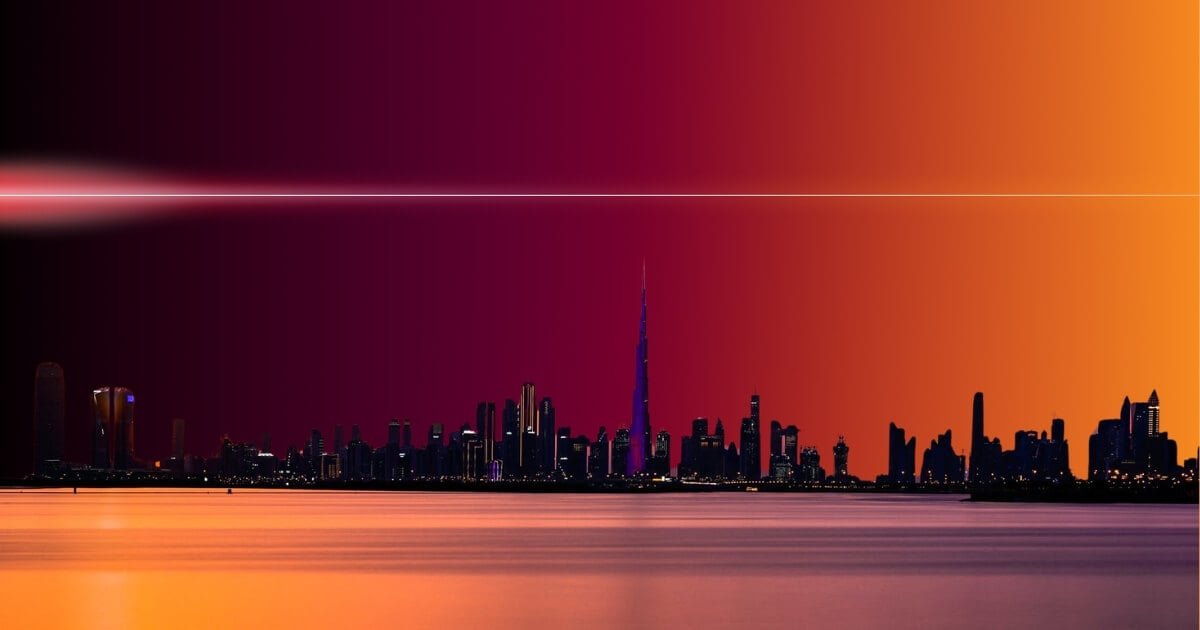
Middle East Energy 2026 Set for April 7–9 in Dubai
Middle East Energy 2026 will take place from April 7 to April 9, 2026, at the Dubai World Trade Centre (DWTC), located on Sheikh Zayed Road in Trade Centre 2, Dubai, United Arab Emirates. The three-day event is expected to draw energy professionals, technology providers, policymakers, utilities, investors, and infrastructure developers from across the Middle East, Africa, Europe, and Asia.
Held in one of the world’s most strategically positioned energy and trade hubs, Middle East Energy has established itself as a central meeting point for the global power and energy industry. The 2026 edition comes at a pivotal time as governments and corporations across the region accelerate energy transition plans while maintaining grid reliability and economic competitiveness.
A Regional Hub for Power and Energy Innovation
Middle East Energy is widely recognized as a comprehensive platform covering the full spectrum of the energy value chain. The exhibition and conference typically bring together manufacturers, suppliers, distributors, and decision-makers across sectors including:

Power Generation
Conventional and renewable power generation technologies remain a core focus. As Gulf Cooperation Council (GCC) countries continue to diversify their energy mix, there is growing emphasis on solar, wind, and hybrid systems alongside gas-fired generation. The Middle East has become a global leader in utility-scale solar deployment, with the United Arab Emirates and Saudi Arabia setting record-low solar tariffs in recent years.
Transmission and Distribution
Grid modernization is another central theme. Utilities across the Middle East and North Africa (MENA) region are investing heavily in smart grids, digital substations, advanced metering infrastructure, and grid automation to manage increasing electricity demand and integrate intermittent renewable energy sources.
Energy Storage and Battery Technologies
With renewable capacity expanding, energy storage systems are gaining strategic importance. Battery energy storage systems (BESS), grid-scale storage, and hybrid renewable-storage solutions are expected to feature prominently among exhibitors. Storage is increasingly viewed as essential to stabilizing power networks and supporting peak load management.
Backup Power and Critical Infrastructure
Given the region’s focus on large-scale infrastructure, data centers, healthcare facilities, and industrial zones, demand for reliable backup power solutions remains strong. Diesel generators, gas generators, and uninterrupted power supply (UPS) systems continue to be essential components of critical infrastructure resilience.
Strategic Importance of Dubai as Host City
The Dubai World Trade Centre, the venue for Middle East Energy 2026, is one of the region’s leading exhibition and convention destinations. Situated along Sheikh Zayed Road, the DWTC offers direct access to key business districts, airports, and logistics networks, reinforcing Dubai’s role as a commercial gateway between East and West.
Dubai’s broader economic strategy emphasizes clean energy and sustainability. The UAE Energy Strategy 2050 aims to significantly increase the share of clean energy in the national mix while reducing carbon emissions. Hosting Middle East Energy aligns with this vision by attracting international expertise and investment into the region.
Industry Context: Energy Transition and Market Dynamics
Middle East Energy 2026 takes place against a backdrop of rapid transformation in the global energy sector. Several key trends are shaping the market:
Decarbonization and Net-Zero Targets
Governments across the Middle East are adopting net-zero targets and expanding renewable portfolios. The UAE has committed to net-zero emissions by 2050, while Saudi Arabia aims for net-zero by 2060. These commitments are driving large-scale renewable projects, green hydrogen initiatives, and carbon capture investments.
Electrification and Urban Growth
Urbanization and industrial expansion across the Middle East and Africa continue to push electricity demand upward. Mega-projects, including smart cities and industrial corridors, require advanced energy infrastructure. As electrification expands into transport and manufacturing, the need for resilient grids and diversified generation sources intensifies.
Digitalization of Energy Systems
Digital transformation is reshaping utilities and energy providers. Artificial intelligence, predictive maintenance, Internet of Things (IoT) devices, and energy management software are becoming integral to grid optimization and operational efficiency. Technology firms and engineering companies are increasingly collaborating to deliver integrated digital energy solutions.
Business Impact and Investment Opportunities
For exhibitors, Middle East Energy provides access to a concentrated audience of buyers and project developers. The Middle East remains one of the world’s most active markets for large-scale energy infrastructure projects, supported by sovereign wealth funds, public-private partnerships, and multilateral financing.
Attendees typically include:
– Government energy ministries and regulators
– National and regional utilities
– Engineering, procurement, and construction (EPC) contractors
– Independent power producers (IPPs)
– Renewable energy developers
– Industrial energy consumers
– Technology innovators and startups
The event facilitates contract negotiations, technology demonstrations, and cross-border partnerships. For international companies seeking entry into the MENA market, Dubai serves as a strategic launchpad.
Energy Security and Geopolitical Considerations
Energy security remains a top priority across the region. While the Middle East is traditionally associated with oil and gas exports, domestic power demand has grown significantly. Balancing export revenues with internal consumption requires careful policy planning.
Recent global supply chain disruptions and geopolitical tensions have underscored the importance of diversified supply chains and localized manufacturing. Events such as Middle East Energy create opportunities for regional supply chain integration and joint ventures that reduce dependency on external markets.
Sustainability and ESG Priorities
Environmental, social, and governance (ESG) considerations are increasingly influencing investment decisions in the energy sector. Institutional investors are directing capital toward low-carbon technologies, sustainable infrastructure, and energy efficiency solutions.
Middle East Energy 2026 is expected to highlight advancements in energy efficiency, green hydrogen, electric vehicle charging infrastructure, and distributed energy systems. The exhibition’s alignment with sustainability themes reflects the region’s ambition to position itself as a leader in clean energy innovation.
Looking Ahead to April 2026
As the energy landscape continues to evolve, Middle East Energy 2026 at the Dubai World Trade Centre from April 7–9 will serve as a key forum for strategic dialogue and commercial exchange. By convening stakeholders from across the power generation, transmission, storage, and digital energy sectors, the event underscores Dubai’s central role in shaping the future of energy in the Middle East and beyond.
With global energy markets undergoing structural transformation, the 2026 edition is poised to reflect both the challenges and opportunities facing the industry—ranging from decarbonization and digitalization to infrastructure resilience and investment mobilization. In this context, Middle East Energy remains a critical barometer of regional and international energy market direction.

Related Posts