FyreJacket® 1650
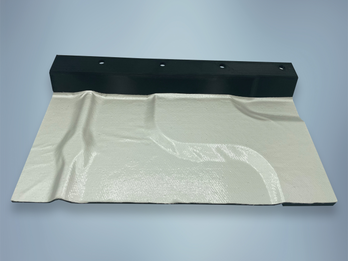
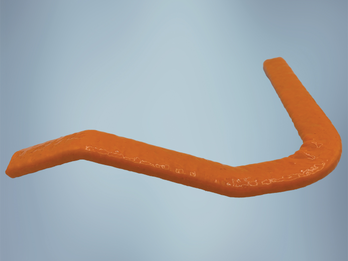
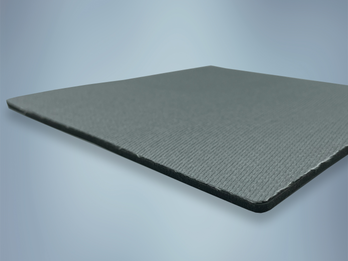
Engineered cell spacers are critical components in the design and function of EV battery packs. These spacers are used to separate individual battery cells within a battery pack, serving multiple purposes that enhance the performance, safety, and longevity of the batteries. Key Functions of Battery Cell Spacers Thermal Management One of the primary roles of cell spacers is to facilitate effective thermal management. By maintaining a gap between cells, spacers allow for better airflow and heat dissipation. This helps prevent overheating, which can degrade battery performance and safety. Structural Support Spacers provide structural integrity to the battery pack by holding the cells firmly in place. This prevents cells from moving or vibrating, which could cause mechanical damage or electrical short circuits. Electrical Isolation By separating the cells, spacers help prevent electrical short circuits that could occur if the cells were to come into direct contact with one another. This is crucial for maintaining the safety and reliability of the battery pack. Mechanical Protection Spacers can absorb shocks and vibrations that occur during vehicle operation, protecting the cells from physical damage. This is particularly important in automotive applications where the battery pack is subjected to varying levels of mechanical stress. Enhanced Safety In the event of a cell failure or thermal runaway, spacers can act as a barrier to contain the spread of fire or heat to adjacent cells, thereby enhancing the overall safety of the battery pack.

TENNECO
(0 Reviews)
-
Address: 241 Welsh Pool Road, Exton, PA, 19341, United States of America, Exton, United States
-
Phone: 18009262472
-
Email: seungil.seo@tenneco.com
Systems Protection is recognized as the foremost supplier and global market leader and with sales offices, technical centers, and manufacturing facilities located throughout the Americas, Europe, Africa and Asia. When you partner with SP, you are getting the support of a truly global team who understand your exact needs, and backed by 100 years of proven results and products to meet your demand