No products in the cart.

Manufacturing World Nagoya 2026 Industry Outlook
Manufacturing World Nagoya 2026 Industry Outlook
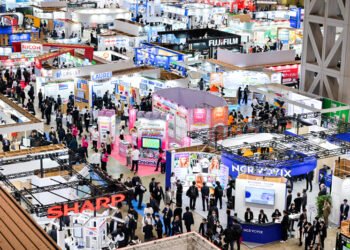
Manufacturing World Nagoya 2026 is set to take place from April 8 to April 10, 2026, at PORTMESSE NAGOYA, located at 2-2 Kinjofuto, Minato-ku, Nagoya, Aichi 455-0848, Japan. As one of central Japan’s leading industrial trade exhibitions, the event serves as a strategic platform for showcasing advanced manufacturing technologies and assessing the broader trajectory of Japan’s industrial sector. Further details are available on the official website at https://www.manufacturing-world.jp/nagoya/en-gb.html.
Positioned in Nagoya, the heart of Japan’s manufacturing corridor, the exhibition reflects the region’s central role in automotive production, aerospace engineering, machine tools, robotics, and industrial components. The 2026 edition is expected to provide a critical barometer of market sentiment, investment priorities, and technological innovation shaping the industry.
Event Overview and Strategic Positioning
Manufacturing World Nagoya forms part of the broader Manufacturing World series, which focuses on industrial transformation, digitalization, and supply chain integration. The Nagoya edition specifically caters to Japan’s Chubu region, an industrial hub anchored by global automotive and heavy machinery manufacturers.

What the Event Covers
The exhibition typically brings together companies specializing in:
– Mechanical components and motion technologies
– Industrial automation and robotics
– Additive manufacturing and 3D printing
– Digital manufacturing solutions, including CAD/CAM and PLM systems
– Factory automation (FA) equipment
– Industrial IoT and smart factory platforms
The event attracts engineers, procurement managers, R&D specialists, plant managers, and corporate decision-makers seeking to modernize operations and strengthen supply chain resilience. Exhibitors range from multinational technology providers to specialized domestic suppliers targeting Japan’s mid-sized manufacturing base.
Nagoya’s Role in Japan’s Industrial Economy
Nagoya, located in Aichi Prefecture, is widely recognized as the center of Japan’s automotive industry. Major OEMs and Tier 1 suppliers operate extensive production networks across the region. This industrial concentration makes Manufacturing World Nagoya strategically significant, as it connects technology providers directly with high-value manufacturing buyers.
The Chubu region contributes substantially to Japan’s exports in vehicles, machinery, and precision equipment. As global supply chains continue to recalibrate following geopolitical tensions and pandemic-related disruptions, events such as Manufacturing World Nagoya serve as critical venues for supplier diversification and strategic sourcing.
Industry Trends Shaping the 2026 Outlook
Acceleration of Smart Manufacturing
Japanese manufacturers are accelerating investments in smart factory technologies to address labor shortages, rising operational costs, and global competition. Automation, robotics integration, and AI-driven production management systems are becoming standard requirements rather than optional upgrades.
Manufacturing World Nagoya 2026 is expected to highlight:
– AI-powered quality control systems
– Predictive maintenance solutions using industrial IoT
– Digital twins for production optimization
– Collaborative robots (cobots) for flexible manufacturing
Japan’s aging workforce continues to drive automation adoption. Manufacturers are increasingly prioritizing solutions that reduce manual processes while maintaining precision and output quality.
Supply Chain Resilience and Localization
Supply chain resilience remains a central theme across Japan’s manufacturing industry. Companies are reassessing sourcing strategies to mitigate exposure to overseas disruptions. This shift has increased demand for domestic suppliers capable of delivering high-precision components with shorter lead times.
The exhibition provides a forum for buyers to identify local partners, reinforcing regional production ecosystems in Aichi and surrounding prefectures.
Sustainability and Energy Efficiency
Environmental compliance and carbon reduction targets are reshaping capital expenditure plans. Japanese manufacturers are under pressure to reduce emissions, improve energy efficiency, and align with global ESG standards.
At Manufacturing World Nagoya 2026, energy-efficient machinery, lightweight materials, and sustainable production technologies are likely to receive heightened attention. Electrification trends in automotive manufacturing are also influencing demand for new materials and battery-related production technologies.
Market Impact and Business Opportunities
Trade exhibitions in Japan remain influential in driving business negotiations and procurement decisions. Manufacturing World Nagoya’s regional focus enables more targeted engagement compared to broader international expos.
For exhibitors, the event offers:
– Direct access to procurement teams from automotive and machinery manufacturers
– Opportunities to demonstrate complex technologies in person
– Market intelligence on buyer investment priorities
For attendees, it provides:
– Comparative evaluation of automation and component suppliers
– Insight into emerging technologies before full-scale deployment
– Networking with engineering and technical peers
Given Japan’s emphasis on long-term supplier relationships, face-to-face engagement continues to play a significant role in deal-making. The 2026 edition is expected to facilitate contract discussions and technology partnerships extending well beyond the exhibition dates.
Competitive Landscape and Regional Dynamics
Japan’s manufacturing sector faces increasing competition from regional neighbors, particularly in precision components and electronics manufacturing. However, the country maintains a competitive advantage in high-end automation, robotics, and quality control systems.
Nagoya’s concentration of automotive production ensures that innovation cycles remain closely tied to vehicle electrification, autonomous systems, and lightweight material adoption. Suppliers showcased at Manufacturing World Nagoya 2026 are likely to align product development with these macro trends.
Additionally, foreign companies seeking entry into the Japanese market often use the event as a gateway to establish distribution partnerships or local representation. This dynamic reinforces the exhibition’s international relevance despite its regional branding.
Economic Significance for Aichi Prefecture
Hosting Manufacturing World Nagoya at PORTMESSE NAGOYA underscores Aichi Prefecture’s economic stature. The venue, situated in the Kinjofuto area of Minato-ku, supports large-scale industrial exhibitions and contributes to business tourism and regional investment visibility.
Industrial trade fairs generate indirect economic benefits through hospitality, transportation, and service sectors. More importantly, they reinforce Nagoya’s image as a global manufacturing center at a time when industrial competitiveness is closely tied to technological leadership.
Outlook for 2026 and Beyond
As Japan navigates demographic challenges, digital transformation, and shifting global trade patterns, Manufacturing World Nagoya 2026 is positioned as a strategic checkpoint for the country’s industrial evolution.
The event is expected to reflect:
– Continued investment in factory automation
– Greater integration of AI and data analytics in production
– Strengthened regional supply chains
– Heightened focus on sustainability and electrification
In this context, Manufacturing World Nagoya 2026 will serve not only as a product showcase but as a forward-looking indicator of Japan’s manufacturing trajectory. Its outcomes may influence procurement strategies, technology adoption rates, and cross-border partnerships throughout the Asia-Pacific industrial landscape.

Related Posts