No products in the cart.

Japan Shop 2026- Retail Industry Event
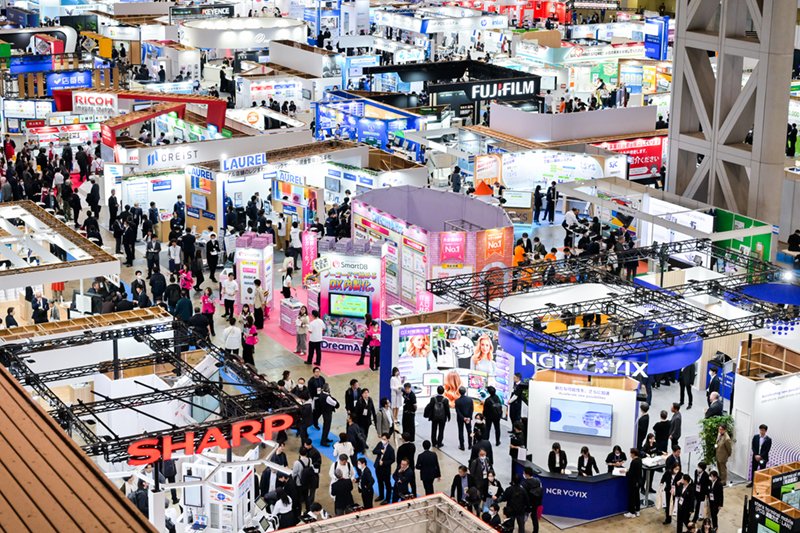
Japan Shop 2026: Tokyo Retail Event Reflects Industry Transformation and Design Innovation
Japan Shop 2026 is scheduled to take place from March 3 to March 6, 2026, at Tokyo Big Sight (3-11-1 Ariake, Koto-ku, Tokyo, 135-0063, Japan). Recognized as one of Japan’s most established trade fairs dedicated to retail and store design, the event brings together a wide range of stakeholders to explore how technology, consumer behavior, and spatial design are reshaping the retail landscape.
Hosted at Tokyo Big Sight—Japan’s largest exhibition and convention center (https://www.bigsight.jp/english/)—the event serves as a gateway for both domestic and international companies seeking insights into one of the world’s most sophisticated retail markets. Official details are available through the organizer’s website (https://www.shopbiz.jp/en/js/).
Event Overview and Role in the Retail Ecosystem
A Specialized Platform for Store Design and Retail Solutions
Japan Shop differs from general retail expos by focusing heavily on store environments, fixtures, visual merchandising, and in-store technology. It acts as a comprehensive platform covering both the physical and digital components of modern retail.

Participants typically include:
- Retail chains and independent store operators
- Architects and interior designers specializing in commercial spaces
- Fixture and display manufacturers
- Digital signage and retail technology providers
- Lighting, materials, and construction solution companies
The event’s structure reflects Japan’s emphasis on precision, aesthetics, and operational efficiency in retail environments.
Strategic Importance of Tokyo as a Host City
Tokyo is one of the most advanced retail markets globally, characterized by high consumer expectations, dense urban environments, and rapid adoption of new technologies. Hosting Japan Shop in Tokyo allows exhibitors and attendees to directly observe real-world applications of retail innovation across districts such as Ginza, Shibuya, and Shinjuku.
Tokyo Big Sight’s scale and infrastructure support large exhibitions and international participation, reinforcing the event’s role as a regional hub for retail innovation in Asia.
Industry Context: Japan’s Retail Market in Transition
A Mature Market Facing Structural Change
Japan’s retail sector is one of the largest in the world but is undergoing structural transformation driven by:
- An aging population and shifting consumer demographics
- Labor shortages impacting store operations
- Growth in e-commerce and omnichannel retail models
- Rising demand for convenience, automation, and personalization
Japan Shop 2026 reflects these dynamics by showcasing solutions designed to address operational challenges while enhancing customer experience.
Integration of Physical and Digital Retail
One of the defining trends in Japan’s retail market is the seamless integration of physical stores with digital technologies. Retailers are investing in:
- Smart shelves and inventory tracking systems
- Cashless and frictionless checkout solutions
- Interactive digital signage and customer engagement tools
- Data analytics platforms for real-time decision-making
The exhibition floor typically highlights how these technologies are applied within compact, high-efficiency store formats common in Japan.
Exhibitors and Industry Segments
Store Design, Fixtures, and Materials
A core component of Japan Shop is its focus on physical store design. Exhibitors present innovations in:
- Modular shelving and display systems
- Sustainable and lightweight construction materials
- Advanced lighting solutions to enhance product presentation
- Custom fixtures tailored to small-format retail environments
These elements are critical in Japan, where space optimization and visual impact are essential due to high urban density.
Retail Technology and Digital Solutions
Technology providers form a significant portion of the exhibitor base, offering solutions such as:
- POS systems and integrated payment platforms
- AI-driven customer analytics and behavior tracking
- Robotics for in-store assistance and logistics
- Digital signage and content management systems
The convergence of design and technology underscores the shift toward experiential retail, where stores function as both transactional and engagement spaces.
Attendees and Market Participation
A Professional and Design-Oriented Audience
Japan Shop attracts a highly specialized audience, including:
- Retail executives and operations managers
- Commercial space designers and architects
- Procurement and supply chain professionals
- Technology integrators and consultants
The event’s audience is characterized by a strong focus on implementation, with attendees seeking practical solutions that can be deployed in real retail environments.
International Engagement
While primarily focused on the Japanese market, the event draws international participants interested in entering or expanding within Japan. The country’s reputation for innovation in retail design and technology makes it a reference point for global best practices.
Economic and Strategic Importance
Influence on Retail Development and Investment
Japan Shop plays a role in shaping retail development strategies across Japan and the broader Asia-Pacific region. By bringing together suppliers, designers, and retailers, the event facilitates:
- Adoption of new store concepts and layouts
- Investment in advanced retail technologies
- Collaboration between domestic and international companies
These interactions contribute to the modernization of retail infrastructure and the evolution of consumer experiences.
Supporting Japan’s Commercial Real Estate and Design Sectors
The event also has implications for commercial real estate and construction industries. Innovations in store design and materials influence how retail spaces are built, renovated, and optimized.
In a market where space is limited and costs are high, efficient design solutions are directly linked to business performance.
Key Trends Highlighted at Japan Shop 2026
Automation and Labor Efficiency
With ongoing labor shortages, Japanese retailers are increasingly adopting automation technologies. These include self-checkout systems, inventory robots, and AI-driven management tools designed to reduce operational burden.
Sustainability and Material Innovation
Environmental considerations are becoming more prominent, with exhibitors showcasing eco-friendly materials, energy-efficient lighting, and waste reduction systems. Sustainability is emerging as both a regulatory requirement and a competitive differentiator.
Experiential and Hybrid Retail Spaces
Retail spaces are evolving into experiential environments that combine shopping with entertainment, dining, and digital interaction. This trend is particularly evident in urban centers, where differentiation is essential to attract foot traffic.
Outlook: Retail Innovation Beyond Japan
Exporting Japanese Retail Concepts
Japan’s approach to retail—characterized by attention to detail, efficiency, and technology integration—continues to influence global markets. Concepts developed and refined in Japan are increasingly being adapted in other regions.
Continued Convergence of Design and Technology
Future editions of Japan Shop are expected to further emphasize the integration of physical design with digital systems. As consumer expectations evolve, the ability to deliver seamless, engaging experiences will remain a central focus.
Conclusion
Japan Shop 2026 at Tokyo Big Sight represents a key event within the global retail calendar, offering insights into how one of the world’s most advanced markets is adapting to structural and technological change.
By connecting retailers, designers, and technology providers, the event serves as a platform for innovation, collaboration, and strategic development. Its significance extends beyond Japan, providing a lens into the future of retail environments in an increasingly digital and experience-driven economy.

Related Posts