No products in the cart.

IFH Intherm 2026 HVAC and Sanitation Expo
IFH Intherm 2026 HVAC and Sanitation Expo to Spotlight Europe’s Building Technology Transition
From April 14 to April 17, 2026, IFH Intherm 2026 HVAC and Sanitation Expo will take place at the NÜRNBERGMESSE exhibition center, Messezentrum 1, 90471 Nürnberg, Bavaria, Germany. Organized as a leading trade fair for sanitation, heating, air conditioning, and renewable energies, the event serves as a key industry platform for southern Germany and beyond. Full event details are available via the official website at https://www.ifh-intherm.de/en/.
Positioned at the intersection of traditional building services and emerging climate technologies, IFH Intherm has established itself as a central meeting point for manufacturers, wholesalers, tradespeople, planners, and energy consultants. As Europe accelerates its energy transition and tightens efficiency standards, the 2026 edition is expected to reflect significant shifts in the HVAC and sanitation sectors.
Event Profile and Industry Scope
A Regional Anchor with International Relevance
IFH/Intherm – Sanitation, Heating, A/C, Renewable Energies focuses on building services engineering, covering sanitary installations, heat generation and distribution systems, ventilation and air conditioning technologies, smart building controls, and renewable energy integration. Hosted in Nuremberg, a strategic industrial hub in Bavaria, the expo benefits from Germany’s strong manufacturing base and its leadership in energy-efficient building systems.

The four-day trade fair traditionally attracts a wide professional audience, including:
– HVAC contractors and installers
– Sanitation and plumbing specialists
– Architects and building engineers
– Energy consultants and planners
– Wholesalers and distribution partners
– Manufacturers of heating, cooling, and renewable systems
The event’s regional strength in southern Germany—one of Europe’s most economically dynamic areas—gives it influence across Austria, Switzerland, and neighboring Central European markets.
Venue and Infrastructure
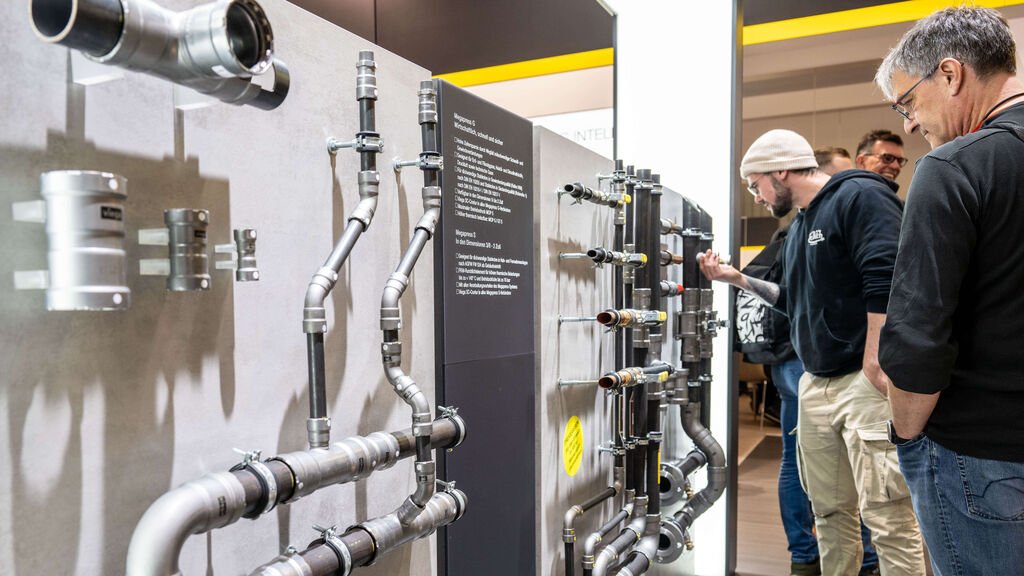
NÜRNBERGMESSE, one of Germany’s major exhibition venues, provides modern exhibition halls and conference facilities suitable for live demonstrations, product launches, and technical forums. Its infrastructure supports large-scale installations of heating systems, ventilation units, smart control platforms, and renewable energy components—critical for a sector where physical equipment demonstration remains essential.
Market Context: HVAC and Sanitation in Transition
Regulatory Pressure and Decarbonization
The timing of IFH Intherm 2026 coincides with intensifying regulatory reform across Europe. Germany’s building energy legislation and the European Union’s climate targets are accelerating the phase-out of fossil-fuel-based heating systems. Heat pumps, hybrid systems, district heating integration, and solar thermal solutions are moving from niche offerings to mainstream demand.
The HVAC market in Europe is undergoing structural change, driven by:
– Stricter energy efficiency standards
– Incentive programs for renewable heating
– Electrification of heating systems
– Carbon pricing mechanisms
– Smart building automation requirements
Trade fairs such as IFH Intherm provide a platform for manufacturers to present compliant technologies and for installers to understand evolving regulatory frameworks.
Skilled Labor and System Complexity
The sanitation and HVAC sectors are facing skilled labor shortages across Germany and much of Europe. At the same time, system integration is becoming more complex, combining mechanical engineering, digital controls, and energy management software.
IFH Intherm plays a strategic role in bridging knowledge gaps. Technical seminars, live demonstrations, and expert forums typically address installation standards, digital commissioning, maintenance practices, and system optimization. For tradespeople and planners, these sessions are critical in adapting to hybrid heating systems and integrated renewable solutions.
Key Technology Themes Expected in 2026
Heat Pumps and Electrified Heating
Heat pump technology remains central to Germany’s decarbonization strategy. Exhibitors are expected to showcase next-generation air-to-water and ground-source heat pumps, improved refrigerants with lower global warming potential, and modular systems for multi-family buildings.
Industrial suppliers and component manufacturers will likely emphasize efficiency gains, quieter operation, and compatibility with photovoltaic systems—responding to consumer demand for energy independence and long-term cost predictability.
Smart Controls and Building Automation
Digitalization is transforming the HVAC and sanitation landscape. Smart thermostats, IoT-enabled monitoring systems, and predictive maintenance platforms are becoming standard features rather than optional upgrades.
At IFH Intherm 2026, integrated control systems that connect heating, cooling, ventilation, and water management into centralized dashboards are expected to draw attention. These solutions align with broader smart city initiatives and commercial building performance optimization strategies.
Water Efficiency and Sanitation Innovation
Beyond heating and air conditioning, sanitation technologies are gaining strategic importance due to water scarcity concerns and sustainability mandates. Water-saving fixtures, greywater recycling systems, and hygienic touchless installations are expected to be featured prominently.
Germany’s strong regulatory environment around water quality and efficiency makes the sanitation segment a critical component of the expo’s relevance.
Economic and Strategic Importance
Impact on Regional SMEs
The German HVAC and sanitation industry is heavily composed of small and medium-sized enterprises (SMEs), particularly installation and craft businesses. IFH Intherm serves as a procurement and networking hub where these firms establish supplier relationships, evaluate new product lines, and secure competitive advantages.
For manufacturers, especially those targeting the southern German market, the expo provides direct access to decision-makers within regional distribution networks. Product launches timed around IFH Intherm often influence purchasing cycles for the following construction season.
Strengthening Supply Chain Resilience
Recent years have exposed vulnerabilities in global supply chains, affecting component availability and pricing stability. Industry gatherings such as IFH Intherm allow stakeholders to diversify supplier bases and negotiate long-term partnerships.
European manufacturing resilience—particularly in critical components such as compressors, control electronics, and piping systems—has become a strategic priority. The expo reflects this recalibration toward regional production and shorter supply chains.
Broader Industry Outlook
The European HVAC market is projected to experience sustained growth through the remainder of the decade, supported by renovation waves, public funding initiatives, and private investment in energy-efficient buildings. Germany, as Europe’s largest economy, remains a bellwether for regulatory direction and technology adoption.
IFH Intherm 2026 is positioned within this broader transformation. Its focus on sanitation, heating, A/C, and renewable energies mirrors the convergence of mechanical systems and sustainable design. As buildings shift from energy consumers to energy-managed assets, the technologies presented in Nuremberg will influence installation standards and investment decisions across the region.
Conclusion
IFH Intherm 2026 HVAC and Sanitation Expo, scheduled for April 14–17, 2026 at NÜRNBERGMESSE in Nuremberg, represents a significant milestone for the building services sector in Germany and Central Europe. By convening manufacturers, tradespeople, planners, and technology providers, the event functions as both a marketplace and a strategic forum.
Against a backdrop of decarbonization mandates, digital transformation, and supply chain restructuring, IFH Intherm 2026 will serve as a barometer for how the HVAC and sanitation industries are adapting to Europe’s energy transition.

Related Posts