No products in the cart.

HH Cologne 2026 Handicraft Trade Fair Preview
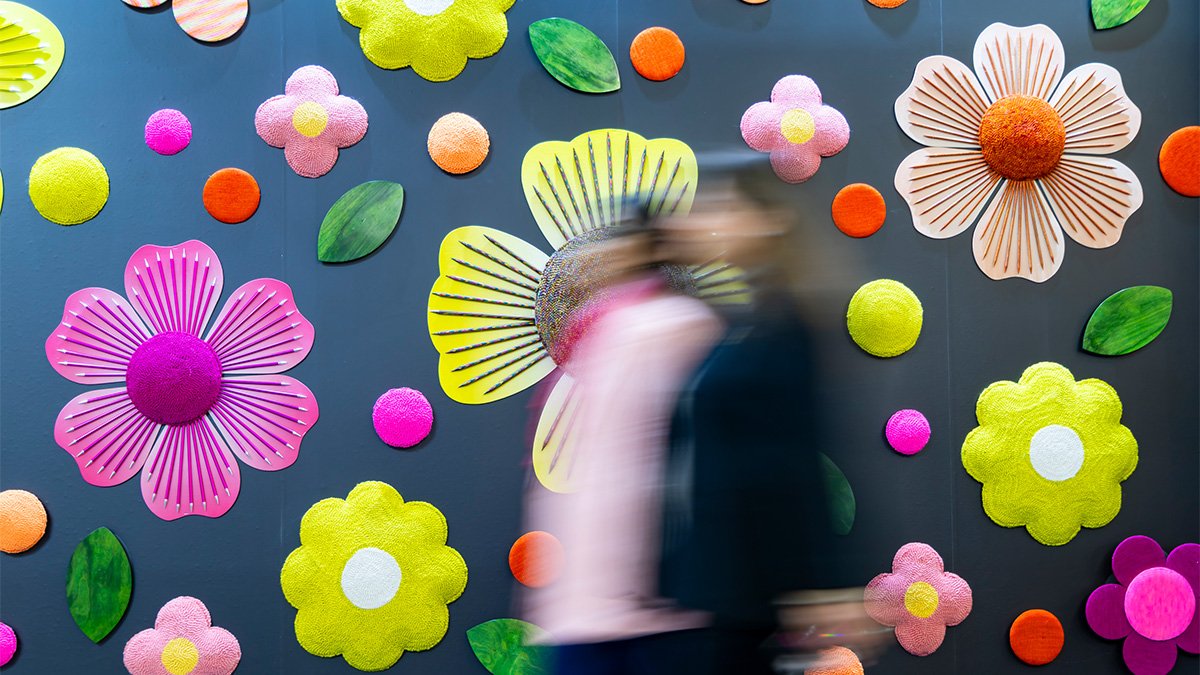
HH Cologne 2026 Handicraft Trade Fair Preview
The HH Cologne 2026 Handicraft Trade Fair, officially known as h+h Cologne, is set to take place from March 20 to March 22, 2026, at Koelnmesse, Messeplatz 1, 50679 Köln, in Cologne, North Rhine-Westphalia, Germany. Recognized as one of the leading international trade fairs for the handicraft industry, the annual event serves as a central marketplace for suppliers, retailers, designers, and creative entrepreneurs operating across the global craft sector.
Hosted at the Koelnmesse exhibition center, a major European trade fair venue (www.koelnmesse.de), h+h Cologne 2026 will bring together industry stakeholders to present product innovations, analyze market developments, and establish commercial partnerships. Full event details are available at the official website, www.hh-cologne.com.
Event Overview and Scope
h+h Cologne focuses on the textile handicraft industry, covering product categories such as knitting, crochet, sewing, embroidery, cross-stitch, patchwork, and textile design. The fair typically attracts a mix of manufacturers, wholesalers, distributors, designers, and specialty retailers seeking new collections, materials, and tools.

As a trade-only event, HH Cologne is designed for industry professionals rather than general consumers. Exhibitors showcase yarns, fabrics, haberdashery, sewing machines, needles, accessories, DIY kits, and digital solutions tailored to creative crafts. In addition to physical products, the fair increasingly highlights sustainable materials, digital pattern platforms, and e-commerce services aligned with evolving retail strategies.
The three-day format, running from Friday to Sunday, allows international buyers and European retailers to plan sourcing cycles ahead of peak autumn and winter craft seasons, when consumer demand traditionally rises.
Cologne as a Strategic Trade Fair Hub
Cologne has long been a focal point for international trade fairs in Germany, supported by strong infrastructure, transport links, and Koelnmesse’s global event portfolio. North Rhine-Westphalia remains one of Europe’s most economically active regions, providing access to key European markets.
For the handicraft sector, the location strengthens cross-border participation. Germany is one of Europe’s largest consumer markets for DIY and hobby products, and its central geographic position enables attendance from neighboring countries including France, the Netherlands, Belgium, and Austria. This regional accessibility reinforces h+h Cologne’s role as a European marketplace with international reach.
Industry Context: The Evolving Handicraft Market
The global handicraft and DIY market has undergone notable transformation in recent years. While traditionally driven by hobbyists and specialty retailers, the sector experienced renewed growth during periods of increased home-based activity, when consumers turned to creative crafts for leisure and personalization.
Several structural trends continue to shape the industry in 2026:
Sustainability and Ethical Sourcing
Demand for eco-friendly yarns, recycled fibers, organic cotton, and biodegradable packaging has become a central theme. Manufacturers are responding with traceable supply chains and certifications aimed at environmentally conscious consumers. Trade fairs such as HH Cologne provide a platform for suppliers to demonstrate compliance with sustainability standards and differentiate themselves in a competitive market.
Digitalization of Craft Retail
Independent craft retailers are increasingly integrating e-commerce platforms, social media marketing, and digital pattern sales. Hybrid retail models—combining brick-and-mortar stores with online communities—have gained prominence. Exhibitors at h+h Cologne are expected to showcase software solutions, digital tools, and subscription-based pattern services that support omnichannel retail strategies.
Community-Driven Consumption
The handicraft industry is deeply rooted in community engagement, from knitting circles to online maker forums. Brands are investing in influencer partnerships, workshop formats, and interactive product launches. Trade fairs provide an opportunity to convert digital engagement into wholesale orders and long-term retail contracts.
Exhibitors and Product Innovation
HH Cologne 2026 is expected to feature a broad spectrum of exhibitors across the handicraft value chain. Participants typically include:
– International yarn manufacturers presenting seasonal collections
– Fabric producers specializing in quilting, dressmaking, and technical textiles
– Suppliers of sewing machines and precision tools
– Pattern designers and publishing houses
– Start-ups offering sustainable materials and digital craft platforms
Product innovation cycles in the handicraft sector are closely aligned with fashion color trends and seasonal palettes. As such, exhibitors often use h+h Cologne to debut new colorways, limited-edition collections, and collaborative designs timed for the upcoming retail season.
In addition to physical product displays, trend presentations and expert talks commonly provide insight into consumer behavior, retail strategies, and future material developments. For buyers, these sessions inform purchasing decisions and inventory planning.
Attendee Profile and Business Impact
Attendees typically include specialty craft store owners, purchasing managers from retail chains, online marketplace operators, and distributors seeking exclusive regional rights. Designers, educators, and workshop providers also attend to identify new materials and techniques.
The event functions as both a sourcing hub and a networking platform. Wholesale agreements, private-label collaborations, and distribution partnerships are frequently negotiated during the fair. For smaller brands, visibility at Koelnmesse can facilitate entry into new geographic markets, particularly within Europe.
From a business standpoint, timing is critical. March scheduling enables retailers to finalize orders for late-year collections, while manufacturers can assess early demand forecasts and adjust production accordingly.
Economic Significance for the Region
Large-scale trade fairs contribute significantly to Cologne’s local economy through hospitality, transport, and service sectors. International visitors generate demand for hotels, restaurants, and related business services. Koelnmesse’s global reputation further reinforces Cologne’s standing as a leading exhibition destination.
For the handicraft industry specifically, h+h Cologne acts as a barometer of sector health. Strong exhibitor participation and order volumes are often interpreted as indicators of consumer confidence within the DIY and hobby market.
Strategic Importance in a Competitive Landscape
The handicraft trade show calendar includes regional fairs and specialized niche events; however, h+h Cologne maintains a leading position due to its international orientation and concentrated focus on textile crafts. In a fragmented retail environment—characterized by independent shops, online sellers, and large DIY chains—the fair offers a centralized marketplace for coordination and visibility.
As consumer preferences continue shifting toward personalization, sustainability, and experiential retail, industry stakeholders rely on events such as HH Cologne 2026 to align product development with market demand. The fair’s ability to combine sourcing, trend forecasting, and professional networking under one roof underscores its strategic relevance.
With its March 20–22, 2026 schedule at Koelnmesse in Cologne, HH Cologne 2026 is positioned to once again serve as a key meeting point for the global handicraft industry, reflecting both its current challenges and its future growth opportunities.

Related Posts