No products in the cart.

Handwerk and Design Mar 4–8 2026 Trade Fair
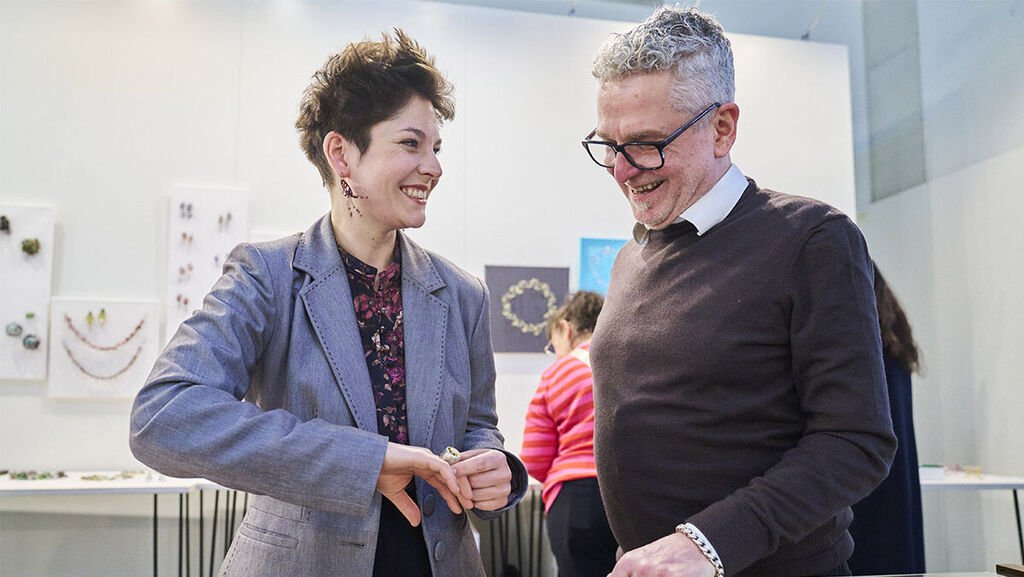
Handwerk and Design Mar 4–8 2026 Trade Fair Anchors Craft and Design Industry at Messe München
From March 4 to March 8, 2026, Handwerk and Design returns to MESSE MÜNCHEN in Munich, Bavaria, reinforcing its role as one of Germany’s leading platforms for contemporary craftsmanship and applied design. Held at Am Messesee 2, 81829 München, the event takes place alongside the broader International Trade Fair for Crafts (IHM), positioning it at the intersection of traditional skilled trades, modern design, and industrial innovation.
Hosted at one of Europe’s largest exhibition centers, Messe München, the five-day trade fair gathers craftspeople, designers, manufacturers, architects, retailers, and industry stakeholders. As Germany continues to strengthen its reputation for precision manufacturing and high-quality craftsmanship, Handwerk and Design 2026 reflects the sector’s evolution in response to technological, economic, and sustainability pressures.
A Platform for Contemporary Craftsmanship and Applied Design
Handwerk and Design is dedicated to showcasing high-quality, design-oriented crafts. The event highlights furniture making, interior design, metalwork, textiles, ceramics, glass, jewelry, and other applied arts that merge artisanal skill with contemporary aesthetics.

The fair is structured to provide both exhibition and curated presentation formats, giving independent craftspeople and design studios visibility alongside established workshops and emerging talent. The integration with IHM broadens the event’s reach, attracting trade visitors from construction, renovation, interior architecture, and specialized retail sectors.
This positioning makes the event more than a product showcase. It functions as a business platform where traditional handcraft meets digital fabrication, sustainable material innovation, and evolving consumer expectations for bespoke, durable goods.
Industry Context: German Craft Sector in Transition
Germany’s craft sector (Handwerk) represents a significant pillar of the national economy, encompassing hundreds of thousands of small and medium-sized enterprises. These businesses range from carpentry and metalworking to textile design and restoration. In recent years, the sector has faced a dual challenge: demographic shifts and digital transformation.
Handwerk and Design 2026 unfolds against this backdrop. The shortage of skilled labor across Europe has intensified competition for qualified craftspeople, while younger generations are redefining craftsmanship through hybrid models that combine manual techniques with CAD software, CNC machining, and additive manufacturing.
At the same time, demand for sustainable, locally produced goods has increased. Consumers and commercial buyers alike are seeking alternatives to mass-produced furnishings and interior elements. This trend supports design-driven workshops capable of delivering customized, environmentally responsible solutions—an area prominently represented at the Munich event.
Market Trends Shaping the 2026 Edition
Sustainability and Circular Design
Sustainability remains a central theme in the European design and construction markets. Exhibitors at Handwerk and Design are expected to emphasize certified materials, low-impact production processes, and circular design principles. Reclaimed wood, biodegradable composites, and modular furniture systems align with stricter EU environmental standards and growing client awareness.
Digitalization of Craft
The integration of digital tools into traditional workshops is accelerating. From 3D modeling and digital prototyping to smart production workflows, the modern craft enterprise increasingly blends analog expertise with digital efficiency. The fair provides a venue where these hybrid practices can be demonstrated to architects, project developers, and commercial buyers.
Customization and High-End Interiors
Germany’s strong residential renovation and premium interior markets continue to drive demand for bespoke solutions. Handwerk and Design caters to this segment by connecting makers with interior designers, property developers, and boutique hospitality operators seeking distinctive, small-batch or one-off pieces.
Exhibitors and Attendees: Cross-Sector Engagement
The exhibitor base at Handwerk and Design typically includes independent master craftspeople, design collectives, small-scale manufacturers, and specialized suppliers. Material producers and technology providers also participate, presenting tools, finishes, and production systems tailored to craft enterprises.
Attendees range from private consumers interested in high-quality design to trade professionals such as architects, interior designers, gallery owners, and retail buyers. The integration within the larger Messe München exhibition framework enhances cross-sector exposure, increasing foot traffic and facilitating B2B engagement.
For emerging designers and workshops, participation offers direct market testing. For established businesses, the fair serves as a networking and order-generation platform at the start of the spring business cycle.
Economic Significance for Munich and Bavaria
Hosting Handwerk and Design at Messe München underscores Bavaria’s position as a hub for trade fairs and specialized industry gatherings. Munich’s exhibition infrastructure supports international participation, contributing to regional hospitality, transport, and service-sector revenues.
Beyond local economic impact, the event reflects Germany’s broader strategy of supporting Mittelstand enterprises—small and medium-sized businesses that form the backbone of the national economy. By spotlighting craft and design, the fair reinforces the value of high-skill, quality-driven production in an era of globalized supply chains.
Trade fairs remain central to Germany’s export-oriented model. Even in an increasingly digital marketplace, in-person exhibitions such as Handwerk and Design enable tactile evaluation of materials and workmanship—critical factors in craft-based industries.
Strategic Importance for the European Design Landscape
Within Europe’s competitive design fair calendar, Handwerk and Design occupies a distinct niche. While large-scale international events often focus on industrial design and mass production, the Munich fair emphasizes limited-series production and artisanal excellence.
This focus supports diversification within the design ecosystem. Small workshops gain exposure without being overshadowed by multinational brands, while buyers gain access to differentiated products that align with premium market positioning.
The fair also contributes to knowledge exchange. Discussions around vocational training, innovation funding, and regulatory compliance are increasingly relevant as EU policies reshape manufacturing standards. Events such as Handwerk and Design provide a forum for these strategic conversations.
Outlook for 2026 and Beyond
As Handwerk and Design takes place from March 4–8, 2026, at MESSE MÜNCHEN, it does so amid cautious optimism in the European construction and interior markets. While macroeconomic uncertainty persists, long-term demand for sustainable, high-quality craftsmanship remains stable.
The event’s continued alignment with innovation, sustainability, and professional networking positions it as a bellwether for the craft and applied design sectors. For industry participants, the Munich gathering offers insight into how traditional skills can adapt to contemporary market demands—ensuring that craftsmanship remains economically viable and culturally relevant in the years ahead.

Related Posts