No products in the cart.

Gourmet Food Trends: The Future of Fine Dining and Food Entrepreneurship
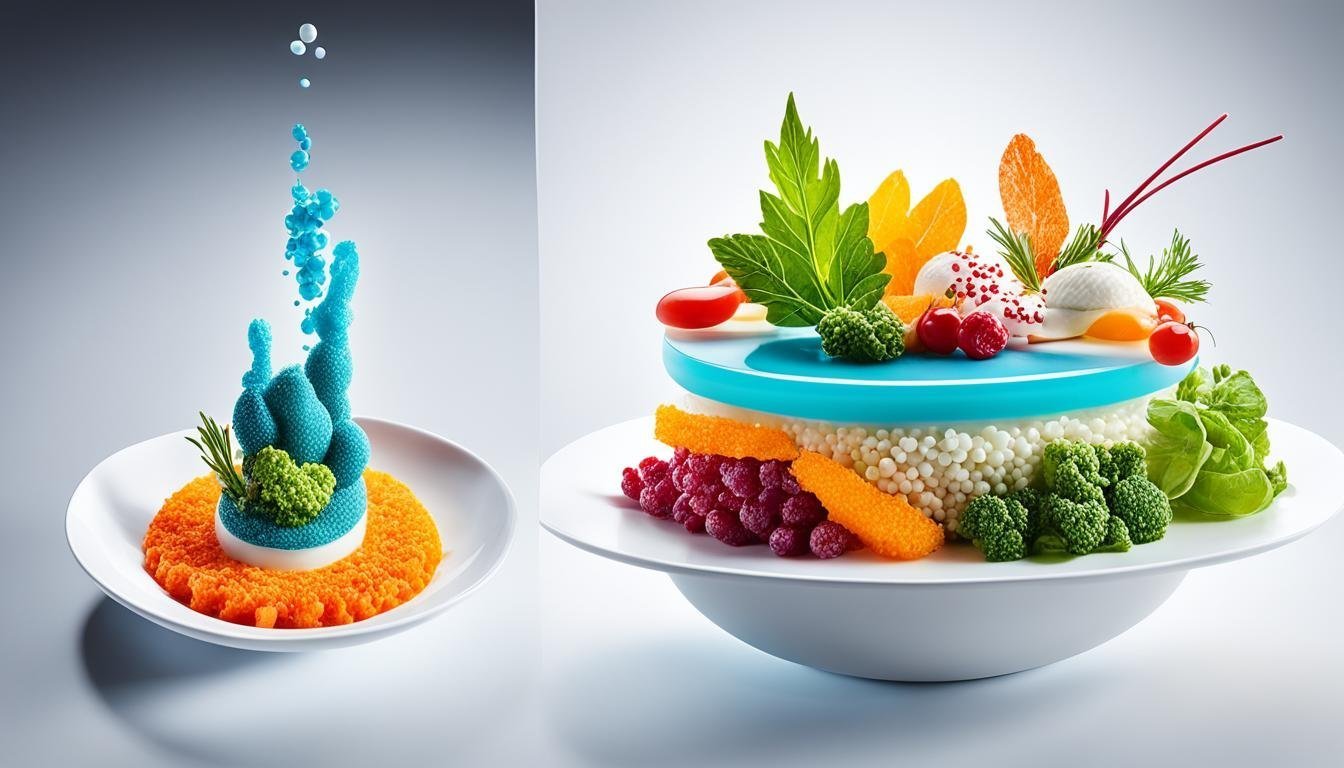
Did you know, a huge 83% of Americans call themselves “foodies”? This shows just how big gourmet food and fine dining have become. And with culinary entrepreneurship growing, the future of the food industry is changing fast. Experts are sharing what’s next in food.
Hanni Rützler is a top food expert in Europe. She just launched her Food Report 2024, a detailed look at what’s ahead. This guide covers the big food trends and what’s driving the changes in serving food. The way we eat, who makes our food, and how it’s done is evolving. It’s all about being more sustainable, local, and using new technologies.
Key Takeaways:
- The rise of “foodies” shows a big love for gourmet food and fine dining in the U.S.
- Hanni Rützler’s 2024 Food Report highlights key food trends and changes in the industry.
- Focusing on sustainability, local food, and new tech is key for the food future.
- Culinary entrepreneurship is getting stronger as the field changes.
- Knowing these food trends is important for anyone in the food and drink world.
Unveiling the Food Futurologist’s Perspective
Hanni Rützler has worked on changing how we see food for over 25 years. She started the futurefoodstudio in the 1990s in Vienna. Since 2004, she’s also been helping the Zukunftsinstitut by writing the Food Report. This year, she did it with Wolfgang Reiter. She’s on the advisory board of Food Campus Berlin and is part of koch.Campus. These are groups that bring together experts in food from different areas.

Trend Researcher Hanni Rützler: Europe’s Leading Food Expert
Rützler’s background in nutrition, psychology, and sociology helps her to look at food in many ways. She talks with people who work in food research and politics. She also visits food fairs and does research in the field. She says food trends show what people want and need from food.
Identifying Trends: A Sociological Perspective
Rützler is good at finding food trends that show how society’s needs are changing. She watches how people buy food and how the food industry reacts. By doing this, she can see where food trends are going.
Evolutionary Loop: Trends in Constant Flux
Rützler tells us that food trends usually last five to ten years. But, they keep changing during that time. They might get stronger, weaker, or even combine with other trends. This change is ongoing. It’s all about how food trends keep going to meet society’s needs.
Plant-Based Food: A Sustainable Revolution
In 2024, plant-based food remains a top trend. More people, especially the young, care about the planet. They see the big environmental impact of raising and eating a lot of meat. This concern has made many rethink supporting large-scale meat production. They think eating less meat could help save the Earth. Yet, cutting meat by 75 percent in the future seems hard. So, people are looking to plant-based options like meat and fish substitutes as a start.
Driven by Climate and Environmental Consciousness
The move to plant-based foods is largely because of our changing attitudes. We now understand the harm the meat industry does to the planet. Young people, in particular, are eager to find sustainable food options. They want to fight climate change and safeguard Earth. This growing concern is pushing many to turn away from meat. It’s opening doors for more plant-based choices.
Plant-Based Meat and Fish Substitutes
Though plant-based meats are improving, many still miss the mark for some. Fortunately, technology is leading to better alternatives. Examples include precision fermentation. It’s a method that lets us make foods like cheese without animals. Then, there’s cultured meat or fish. This is meat grown from cells, which promises the same taste and feel, but without harm to animals.
Cutting-Edge Technology in Food Production
The world faces big challenges in making food production sustainable. New technologies are stepping up to make a difference. Two top solutions are
Precision Fermentation
and
Cultured Meat and Fish
Precision Fermentation: A Sustainable Solution
Using yeast for food production could change everything. It’s called precision fermentation. This method makes cheese and other dairy without using animals. The USA and now, Singapore, allow selling meat made in labs, marking a big step forward. The big hurdle is people getting used to the idea. But, the potential of Precision Fermentation to transform our way of making food is solid.
Cultured Meat and Fish: A Futuristic Approach
Another way to farm food is through Cultured Meat and Cultured Fish. This method grows products directly from animal cells. These products taste and feel like the real thing but no animals are harmed. It’s becoming a major player in the food market, providing eco-friendly options to meat and fish.
Female Connoisseurs: Shaping the Future
The food service industry is changing with more women leading. They’re not just in top restaurants but are also big in food blogging. They start food businesses, work as bartenders, and in winemaking. By 2024, Food Trends say these female experts will focus on social and green issues. They aim to make the industry more sustainable and diverse.
Empowering Women in the Food Industry
Female connoisseurs are changing the food world. They care about social and eco issues. This is making the industry more sustainable and diverse. They challenge old ways and bring fresh ideas.
Social and Ecological Focus
Female connoisseurs are making a big impact. They are all about social and green consciousness. Their aim is a better, sustainable and diverse future. They shake up the norm and offer new ideas for the good of people and the earth.
Regenerative Food: A Holistic Approach
The fast-growing trend of regenerative food looks at more than what’s on our plate. It focuses on how food is made. The goal is to help nature by increasing biodiversity and lowering the harm agriculture does to our world. This fight is crucial to heal our land. Regenerative food is now in a race with the organic movement. While organic farming still covers less ground, it was once seen as the main answer to our world’s major problems. These issues include saving the environment, caring for animals, and protecting our soils. However, times have changed, and organic farming is starting to slip by missing key topics.
Promoting Biodiversity and Counteracting Climate Change
When it comes to where food comes from, organic is losing ground to local choices. People today care more about food from their own region than simply being organic. This shift focuses on two main paths: First, there’s a rise in buying food grown locally, especially traditional types. Then, there’s a growing interest in local exotics, unique to some areas. For instance, in the Weinviertel region of Lower Austria, farmers couldn’t grow corn due to low water. So, they turned to growing peanuts. In Burgenland, using water wisely, they grew saffron, turmeric, ginger, and wasabi. This showcased farming with non-traditional plants and animals.
Local Exotics: Embracing Unconventional Crops
The phenomenon of local exotics and the acceptance of unconventional crops mark a change towards climate-resilient agriculture. As usual crops face struggles with the changing environment, farmers seek other plants and animals. They aim for food to keep growing and for nature to stay diverse. This broad, regenerative approach to farming wants to do more than feed us. It also intends to fight climate change and boost the health of our ecosystems.
Discover the latest trends in gourmet food
The food industry is changing fast. Now, two big ideas – re-use food and circular food – are really taking off. These new ways of thinking are leading us towards a more eco-friendly future.
Re-Use Food: Reducing Waste
Hanni Rützler talked about re-use food in the first Food Report a decade ago. Back then, it was a new idea. Today, it’s catching on more as we work to cut down on wasting food. In Germany, a lot of food still goes to waste. But, with the help of start-ups and businesses, we’re finding new ways to use food again.
Circular Food: A Zero-Waste Concept
Now, the circular food idea is growing. It’s about more than using food again. It’s about using every part of food and not wasting any of it. Things like seeds and shells are being put back into nature. This way, we’re aiming for a sustainable food system with no waste.
Naming Trends: A Food Futurologist’s Art
Hanni Rützler is a top expert in the food world. She spots new Trend Identification early on. She looks for small changes that show people want local foods. At the same time, these new foods must solve the problem of not enough local choices. She has labeled one such trend “Local Exotics” to describe this growing phenomenon.
The “Local Exotics” movement highlights growing rare plants and animals in unique areas. This allows farming to adjust to the effects of global warming. For example, in Austria, peanuts are now being grown in Weinviertel. Areas like Burgenland are welcoming the growth of Local Exotics such as saffron, turmeric, ginger, and wasabi. These crops were unusual in these regions before. By giving a name to these unique changes, Rützler helps these new food sources become more widely known.
Trends in Gastronomy: Paving the Way to the Future
Restaurateurs can’t just find all their answers in a single food report. They must know their identity and where they want to go. Understanding their target audience is crucial. Then, they can choose trends that fit their concept well, leading them to success.
Identifying Unique Concepts and Target Audiences
Knowing their brand identity and the audience they serve is key. They need to figure out who they are, their goals, and who they want to reach. With this info, they can pick trends and innovations that will help meet their goals and appeal to their audience.
Versatility: A Key to Success
Trends that work well across different times and uses tend to do better. For instance, Sriracha’s success came not only from its taste but from its ability to go with many foods. This flexibility helped it become very popular, showing how varied menus and strategies can lead to success.
FAQ
What is the focus of the upcoming food trends in 2024?
In 2024, food trends are all about being sustainable, local, and using new tech. This info comes from the Food Report 2024 by Hanni Rützler. She’s a top researcher in this area.
Who is Hanni Rützler and what makes her an expert in food trends?
Hanni is a top food expert in Europe. She’s worked on changing food culture for over 25 years. Hanni started the futurefoodstudio in Vienna in the 1990s. Her studies include nutritional sciences, psychology, sociology, and biotech, giving her a broad view of food and how we interact with it.
How long do food trends typically last, and how do they evolve over time?
Food trends usually last for about five to ten years. They change and grow to meet society’s new wants and needs. Trends can get stronger, weaker, or even blend into new trends.
What are the key drivers behind the plant-based food trend?
Many people, especially the young, care more about the planet now. They don’t like the impact of large meat production. So, they’re choosing plant-based options. This has made plant-based food very popular.
What are some of the emerging technologies in food production?
Precision fermentation and cultured meats are new technologies. They make cheese and meats without cows. These methods are seen as more ethical and sustainable.
How are women shaping the future of the food industry?
More and more women are leading in the food industry. They’re active in top restaurants, food blogging, and starting new food businesses. They focus on ecological and social issues, pushing for a sustainable and inclusive food future.
What is the difference between organic and regenerative food?
Organic food was a big step towards a better food system. But now, it’s falling behind in regards of where it comes from. Regenerative food highlights biodiversity and fights climate change. It’s a step forward from just being organic.
What are “local exotics” and how do they fit into the food trends?
“Local exotics” are foods not native to an area but now grown there. Think of peanuts in Austria’s Weinviertel. This trend combines exotic tastes with a local touch. It helps meet the demand for more local products.
How can food entrepreneurs and restaurateurs choose the right food trends for their business?
First, they need to understand their business and goals. Then, they can pick trends that fit. It’s key to choose trends that work well with their plans and can last. By focusing on versatile trends, they can stand out and succeed.

Related Posts