No products in the cart.

Convergence India 2026 Tech Expo Outlook
Convergence India 2026 Tech Expo Outlook
Convergence India 2026 Tech Expo Outlook signals renewed momentum in India’s digital economy as government agencies, global technology firms, telecom operators, startups, and system integrators prepare to convene in New Delhi. Scheduled from March 23 to March 25, 2026, at Bharat Mandapam, Pragati Maidan (110001), the event will once again position the capital as a focal point for discussions on telecommunications, information technology, broadcasting, digital infrastructure, and emerging technologies.
Hosted at Bharat Mandapam in Pragati Maidan, one of India’s largest and most modern exhibition complexes, Convergence India has historically served as a platform where public and private sector stakeholders assess the trajectory of India’s digital transformation. The official event website, https://www.convergenceindia.org/, outlines its role as a major technology and infrastructure exhibition in the region.
Event Overview and Strategic Significance
A Cross-Sector Technology Gathering
Convergence India 2026 is expected to draw exhibitors and attendees from across the ICT ecosystem, including telecom operators, network equipment providers, cloud service companies, data center operators, IoT solution providers, cybersecurity firms, fintech platforms, AI developers, and government technology departments. The expo traditionally integrates exhibition halls, conference sessions, product demonstrations, and policy discussions.

The event’s cross-sector format reflects the convergence theme itself—where telecommunications, IT, media, and digital services increasingly overlap. For policymakers and industry leaders, the gathering provides an opportunity to evaluate the implementation of national programs such as Digital India, 5G rollout strategies, smart city initiatives, and semiconductor manufacturing ambitions.
Venue and Location Context
Bharat Mandapam at Pragati Maidan in New Delhi has become a high-profile venue for international summits and major trade exhibitions. Its infrastructure, exhibition halls, and conference facilities enable large-scale participation from both domestic and international stakeholders. The central location in Delhi also facilitates engagement with central government ministries, regulatory authorities, and diplomatic representatives, adding a strategic dimension to the event.
Industry Landscape: Telecommunications and Digital Infrastructure
5G Expansion and Early 6G Research
India’s telecommunications market remains one of the largest globally by subscriber base. Following nationwide 5G deployment, operators are focusing on network densification, enterprise use cases, and private 5G networks. Convergence India 2026 Tech Expo Outlook is expected to spotlight use cases in manufacturing, logistics, healthcare, and smart urban infrastructure.
Simultaneously, research into 6G standards is accelerating worldwide. Indian research institutions and telecom vendors are increasingly involved in early-stage development, and forums such as Convergence India provide a venue to showcase pilot projects and collaborative research.
Data Centers and Cloud Growth
India’s data consumption continues to grow rapidly, driven by video streaming, digital payments, e-commerce, and enterprise cloud migration. Hyperscale cloud providers and domestic data center operators are expanding capacity across major metropolitan regions. Industry discussions at the expo are likely to address power efficiency, sustainability, data localization regulations, and cybersecurity compliance.
The government’s emphasis on data sovereignty and digital public infrastructure further enhances the relevance of cloud, edge computing, and cybersecurity exhibitors at Convergence India 2026.
Emerging Technologies in Focus
Artificial Intelligence and Automation
Artificial intelligence has moved from pilot projects to enterprise integration across banking, retail, healthcare, and governance. AI-driven analytics, generative AI applications, and automation tools are expected to feature prominently among exhibitors. The Indian market presents significant opportunities for AI vendors due to its scale, multilingual population, and expanding startup ecosystem.
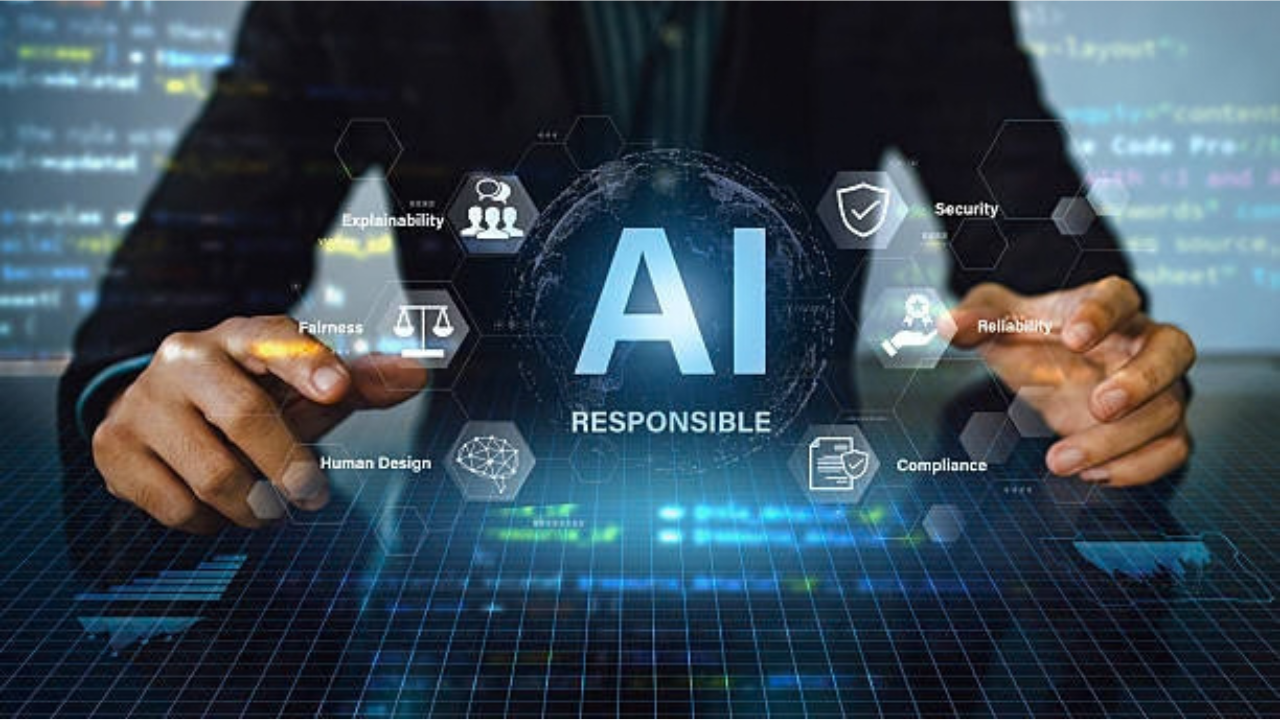
Panels and keynote sessions often explore regulatory frameworks, ethical AI considerations, and workforce implications, reflecting growing scrutiny of AI governance worldwide.
Internet of Things and Smart Cities
India’s smart city initiatives continue to generate demand for IoT devices, sensor networks, and integrated command-and-control platforms. Convergence India traditionally serves as a showcase for urban mobility systems, surveillance technologies, environmental monitoring solutions, and connected public services.
As cities adopt digital platforms to manage utilities, traffic, and public safety, collaboration between telecom operators, hardware manufacturers, and software integrators becomes increasingly important—an intersection well represented at the expo.
Fintech and Digital Payments
India’s digital payments ecosystem, anchored by real-time payment platforms and widespread smartphone penetration, has attracted global attention. Fintech firms and payment technology providers use industry events to demonstrate innovations in fraud detection, cross-border payments, embedded finance, and financial inclusion tools.
Given India’s leadership in digital public infrastructure, discussions at Convergence India 2026 are likely to explore how fintech models can be exported to other emerging markets.
Economic and Market Impact
Trade and Investment Opportunities
Large-scale technology expos contribute to deal-making, partnerships, and foreign direct investment. International exhibitors often use Convergence India as a gateway to the South Asian market. For domestic startups, the event provides access to venture capital firms, enterprise clients, and government procurement channels.
The presence of global vendors alongside Indian technology companies highlights India’s dual role as both a high-growth consumer market and an emerging innovation hub.
Policy Dialogue and Regulatory Engagement
Technology sectors in India operate within evolving regulatory frameworks covering data protection, spectrum allocation, cybersecurity standards, and semiconductor incentives. Industry forums at Bharat Mandapam offer a structured environment for dialogue between regulators and industry leaders.
Such engagement can influence spectrum policy adjustments, AI governance guidelines, and digital trade negotiations, reinforcing the expo’s policy relevance beyond its exhibition floor.
Attendee Profile and Sector Representation
Attendees typically include senior executives, chief technology officers, government officials, system integrators, procurement managers, startup founders, and academic researchers. The diversity of participants underscores the event’s role as both a commercial trade show and a strategic policy forum.
Key sectors represented include:
– Telecommunications and network infrastructure
– Information technology and enterprise software
– Broadcasting and digital media
– Cybersecurity and data protection
– Fintech and digital payments
– Smart city and IoT solutions
– Cloud computing and data centers
This cross-sector engagement mirrors broader global trends in technology convergence, where connectivity, computing, and content ecosystems increasingly overlap.
Outlook for 2026 and Beyond
The Convergence India 2026 Tech Expo Outlook reflects a period of transformation for India’s digital economy. With continued 5G expansion, increasing AI adoption, rising cloud investments, and strong fintech innovation, the Indian technology market remains one of the fastest-growing globally.
At the same time, geopolitical considerations, supply chain resilience, semiconductor self-reliance, and cybersecurity preparedness are shaping strategic priorities. Events such as Convergence India provide a structured platform for aligning business strategies with national objectives.
As Bharat Mandapam hosts industry leaders from March 23–25, 2026, the focus will extend beyond product launches to long-term digital infrastructure, cross-border collaboration, and sustainable growth. In this context, Convergence India continues to serve not merely as an exhibition, but as a barometer of India’s evolving role in the global technology ecosystem.

Related Posts