No products in the cart.

Asia Health 5 set for Apr 14–16 2026
Asia Health 5 Set for Apr 14–16, 2026 in Kuala Lumpur
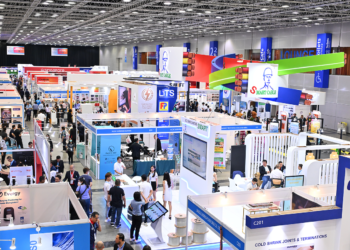
Asia Health 5 will take place from April 14 to April 16, 2026, at the World Trade Centre Kuala Lumpur, located at 45 Jalan Tun Ismail, 50480 Kuala Lumpur, Malaysia. The three-day event is expected to draw healthcare professionals, medical technology providers, distributors, policymakers, and investors from across Southeast Asia and beyond.
Positioned as a regional healthcare and medical industry exhibition and conference, Asia Health 5 aims to facilitate business exchange, showcase medical innovations, and address pressing challenges facing Asia’s rapidly evolving healthcare systems. The event’s official website, asiahealthfive.com, outlines a focus on medical devices, hospital infrastructure, digital health, pharmaceuticals, and healthcare services.
Kuala Lumpur as a Strategic Host City
Hosting Asia Health 5 at the World Trade Centre Kuala Lumpur underscores Malaysia’s ambitions to strengthen its role as a regional healthcare and medical technology hub. Kuala Lumpur’s established infrastructure, international connectivity, and growing healthcare ecosystem make it a logical venue for a multi-day industry gathering of this scale.

Malaysia’s healthcare sector has expanded steadily over the past decade, supported by government initiatives, private hospital investments, and a growing medical tourism market. The country’s central location within ASEAN provides convenient access for delegates from Singapore, Thailand, Indonesia, Vietnam, and the Philippines, as well as from China, India, and the Middle East.
The World Trade Centre Kuala Lumpur, known for hosting major trade exhibitions and conferences, offers the exhibition halls and meeting facilities necessary for large-scale product showcases, networking sessions, and policy discussions.
Event Scope and Industry Participation
Asia Health 5 is expected to bring together a broad cross-section of the healthcare value chain. Exhibitors typically include:
– Medical device manufacturers and distributors
– Hospital equipment suppliers
– Diagnostic and laboratory technology providers
– Digital health and telemedicine companies
– Pharmaceutical firms
– Healthcare IT and data management providers
– Medical infrastructure and facility solution companies
Attendees are likely to include hospital administrators, procurement managers, clinicians, biomedical engineers, healthcare investors, regulators, and government health officials. The event’s structure generally combines exhibition space with conference sessions, panel discussions, and networking forums designed to connect suppliers with buyers and decision-makers.
Such events serve as key platforms for product launches, regional distribution agreements, and partnership negotiations, particularly in markets where in-person engagement remains central to business development.
Southeast Asia’s Expanding Healthcare Market
Asia Health 5 takes place against a backdrop of sustained healthcare growth across Southeast Asia. The region’s healthcare expenditure has been rising due to demographic shifts, increasing chronic disease prevalence, and expanding middle-class demand for quality care.
Key market drivers include:
Aging Populations and Chronic Disease
Countries such as Malaysia, Thailand, and Singapore are experiencing demographic aging, leading to increased demand for cardiology, oncology, orthopedics, and long-term care services. Chronic conditions such as diabetes and cardiovascular disease continue to drive investment in diagnostics, monitoring devices, and advanced treatment technologies.
Digital Transformation
Digital health adoption is accelerating across ASEAN. Hospitals and clinics are integrating electronic medical records, telehealth platforms, AI-assisted diagnostics, and remote patient monitoring systems. Events like Asia Health 5 provide vendors with opportunities to demonstrate new software platforms, interoperable systems, and cybersecurity solutions tailored to healthcare environments.
Medical Tourism and Private Sector Expansion
Malaysia remains a recognized medical tourism destination, attracting patients from neighboring countries and the Middle East. The growth of private hospitals and specialty centers has created demand for high-end medical equipment, imaging systems, and surgical technologies. Trade exhibitions facilitate procurement discussions and showcase competitive technologies from both global and regional manufacturers.
Business and Investment Implications
Trade exhibitions such as Asia Health 5 play a significant role in shaping procurement cycles and investment strategies. Healthcare institutions often use such events to compare suppliers, evaluate emerging technologies, and negotiate pricing or distribution agreements.
For international exhibitors, the event offers direct access to ASEAN buyers without the need to coordinate multiple country-specific visits. For regional distributors, it provides a venue to expand product portfolios and secure exclusive partnerships.
Investors and venture capital firms increasingly monitor healthcare trade shows to identify early-stage digital health startups and scalable medical device innovations. The convergence of clinical stakeholders and technology developers in one venue accelerates due diligence and market validation processes.
Policy and Regulatory Dialogue
Healthcare exhibitions in Southeast Asia frequently serve as informal platforms for regulatory discussion. With varying approval pathways and compliance requirements across ASEAN member states, companies must navigate complex regulatory environments.
By convening industry stakeholders in Kuala Lumpur, Asia Health 5 may facilitate dialogue on harmonization efforts, device registration standards, and cross-border healthcare collaboration. Policymakers and health ministry representatives attending the event can gain insight into industry capabilities and emerging technologies that may inform future procurement or public health strategies.
Technology Trends Likely to Shape the Exhibition Floor
Several healthcare technology trends are expected to feature prominently at Asia Health 5:
Artificial Intelligence in Diagnostics
AI-powered imaging analysis, predictive analytics for hospital operations, and decision-support tools are gaining traction in regional hospitals seeking efficiency gains and improved clinical accuracy.
Portable and Point-of-Care Devices
Demand for decentralized healthcare solutions has increased, particularly in rural and semi-urban areas. Portable ultrasound systems, compact diagnostic analyzers, and remote monitoring devices address access gaps across Southeast Asia’s diverse geographies.
Sustainable and Smart Hospital Infrastructure
Energy-efficient hospital design, smart building systems, and integrated facility management solutions are becoming priorities as healthcare providers seek to manage operating costs while meeting environmental standards.
Economic Impact on the Host City
Large-scale exhibitions contribute to Kuala Lumpur’s business tourism sector. International delegates generate spending across hotels, transportation, food services, and local businesses. The event also reinforces Malaysia’s reputation as a host for international trade exhibitions, supporting its broader Meetings, Incentives, Conferences, and Exhibitions (MICE) strategy.
Beyond immediate economic activity, the longer-term impact lies in facilitating cross-border healthcare partnerships and attracting foreign direct investment into Malaysia’s medical technology and services sectors.
A Regional Platform at a Pivotal Time
Asia Health 5 arrives at a time when healthcare systems across Asia are balancing cost pressures, technological transformation, and rising patient expectations. The convergence of manufacturers, clinicians, administrators, and policymakers in Kuala Lumpur from April 14–16, 2026, reflects the sector’s need for coordinated dialogue and commercial exchange.
As healthcare demand intensifies and innovation cycles accelerate, industry gatherings such as Asia Health 5 remain critical platforms for shaping procurement decisions, fostering partnerships, and mapping the future trajectory of Southeast Asia’s healthcare market.

Related Posts