No products in the cart.

AQUA-FISCH 2026: Aquaculture Industry Event
AQUA-FISCH 2026: Aquaculture Industry Event to Spotlight Sector Innovation in Friedrichshafen
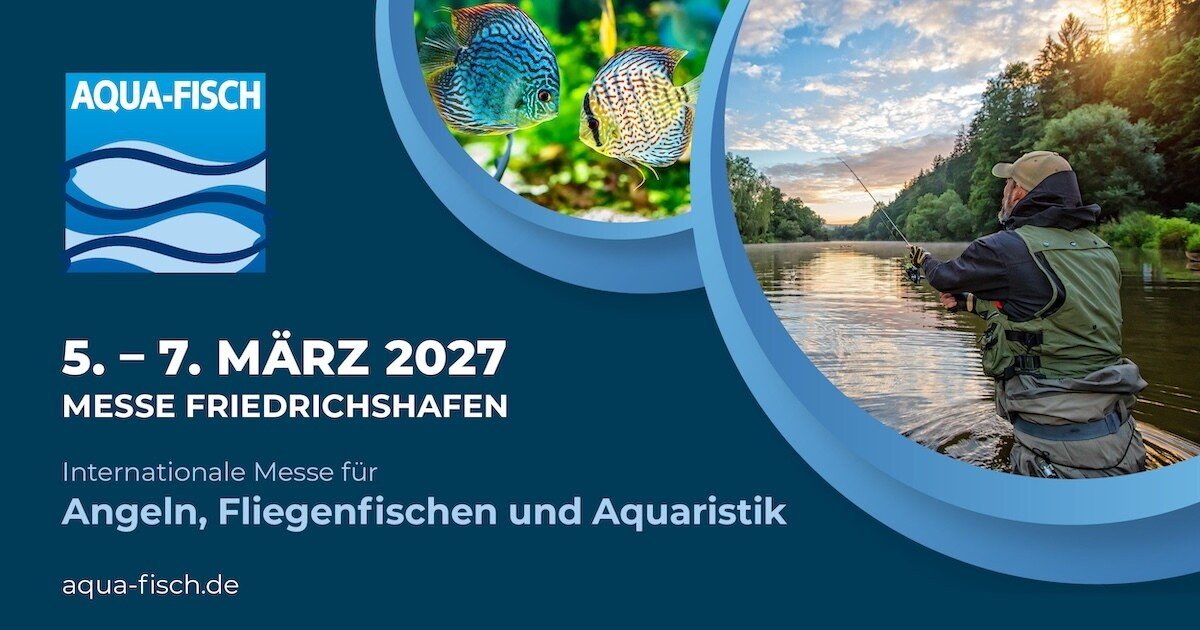
AQUA-FISCH 2026, the Aquaculture Industry Event, is set to take place from March 6 to March 8, 2026, at MESSE FRIEDRICHSHAFEN, Neue Messe 1, 88046 Friedrichshafen, Baden-Württemberg, Germany. Positioned on the shores of Lake Constance, the annual gathering has become a key meeting point for professionals across aquaculture, fisheries, and related outdoor sectors in the German-speaking region and beyond.
Hosted at one of southern Germany’s prominent exhibition centers (https://www.messe-fn.de/), the event (https://www.aqua-fisch.de/) brings together industry stakeholders to exchange knowledge, showcase technological advancements, and assess market developments shaping the future of fish farming and aquatic resource management.
A Regional Anchor for the Aquaculture Industry
AQUA-FISCH has established itself as a specialized trade fair focused on aquaculture, fisheries, and associated equipment and services. The event typically attracts fish farmers, hatchery operators, pond managers, equipment manufacturers, feed suppliers, water technology companies, wholesalers, retailers, and representatives from research institutions and public authorities.

The three-day format combines product exhibitions, technical presentations, and professional networking. Exhibitors use the platform to present innovations in recirculating aquaculture systems (RAS), aeration and filtration technologies, feeding systems, fish health solutions, and sustainable breeding practices. For attendees, the event provides direct access to suppliers and an opportunity to evaluate emerging technologies in a concentrated setting.
Its location in Friedrichshafen is strategically relevant. Baden-Württemberg is home to a strong agricultural and food-processing sector, and the Lake Constance region has a long-standing tradition in fisheries and water management. This regional context reinforces the fair’s importance as a hub for German and Central European aquaculture stakeholders.
Industry Context: Growth Amid Structural Change
The global aquaculture industry continues to expand as wild fish stocks face increasing pressure and global seafood demand rises. According to international industry assessments, aquaculture now accounts for more than half of global seafood production for human consumption. Europe, while not the largest producer globally, remains a key market for high-value species and sustainable production standards.
Germany’s aquaculture sector is characterized by small and medium-sized enterprises (SMEs), many of which focus on freshwater species such as trout and carp. However, the industry faces structural challenges, including regulatory requirements, energy costs, environmental compliance, and competition from imports. As a result, efficiency improvements and technological innovation are central to long-term viability.
AQUA-FISCH 2026 is expected to reflect these pressures. Energy-efficient water treatment systems, digital monitoring tools, and automation technologies are likely to be prominent themes. In an environment of rising input costs and tighter sustainability regulations, producers are seeking solutions that improve yield while reducing environmental impact.
Sustainability and Regulation at the Forefront
Sustainability remains a defining issue in aquaculture policy across the European Union. Regulatory frameworks address water usage, effluent treatment, fish welfare, and feed sourcing. The EU’s broader environmental strategies, including biodiversity protection and climate adaptation, influence operational standards for fish farms.
Events such as AQUA-FISCH provide a venue for discussion between industry operators and policymakers. Workshops and expert forums commonly address best practices in closed-loop systems, nutrient recycling, and disease prevention without excessive antibiotic use. As consumer demand for traceable and responsibly farmed seafood grows, compliance and certification have become competitive differentiators.
German producers, in particular, operate in a regulatory environment that emphasizes environmental stewardship. This creates demand for technical equipment and services that enable precise control over water quality, temperature, and feeding cycles—areas where European engineering firms often hold a competitive edge.
Technology, Digitalization, and Investment Trends
Digital transformation is reshaping aquaculture operations worldwide. Sensors, real-time data analytics, and automated feeding systems allow operators to optimize growth rates and reduce feed waste, which can account for a significant share of production costs. Recirculating aquaculture systems (RAS), which minimize water usage and enable inland production, are gaining traction in Europe as land-based alternatives to traditional open systems.
At AQUA-FISCH 2026, exhibitors are expected to highlight smart aquaculture solutions that integrate hardware and software platforms. Such systems offer predictive maintenance, remote monitoring, and performance benchmarking—tools that are increasingly relevant as farms scale up or consolidate.
Investment interest in aquaculture has also grown, driven by the perception of seafood as a protein source with comparatively lower carbon intensity than some terrestrial livestock. While Germany’s sector remains largely SME-driven, partnerships, cooperative models, and cross-border investments are becoming more visible. Trade fairs like AQUA-FISCH facilitate these connections by bringing technology providers, producers, and potential investors into direct contact.
Economic Impact on Friedrichshafen and the Region
Beyond its industry function, AQUA-FISCH contributes to the regional economy of Friedrichshafen and Baden-Württemberg. Trade fairs at MESSE FRIEDRICHSHAFEN generate visitor spending across hotels, restaurants, and local services. The venue’s infrastructure enables both domestic and international participation, reinforcing the city’s profile as a trade fair destination.
The timing of the event in early March positions it at the start of the production planning cycle for many aquaculture businesses. Purchasing decisions for equipment upgrades, feed contracts, and system expansions are often aligned with the spring season, increasing the commercial relevance of the exhibition.
Cross-Sector Synergies
Although aquaculture is central, AQUA-FISCH traditionally intersects with recreational fishing and related outdoor segments. This overlap broadens the visitor base to include angling associations, specialty retailers, and hobbyists, creating additional business opportunities for suppliers of smaller-scale equipment and accessories.
For professional aquaculture companies, this cross-sector environment can provide insights into consumer trends, particularly in premium and regional fish products. Direct engagement with retailers and end-market representatives helps producers align output with shifting demand patterns.
Strategic Importance in a Changing Food Landscape
As Europe seeks to strengthen food security and reduce reliance on imports, domestic aquaculture production is likely to receive increased policy attention. Events such as AQUA-FISCH 2026 serve as strategic platforms for aligning technological innovation, regulatory frameworks, and market demand.
By convening industry participants at MESSE FRIEDRICHSHAFEN from March 6–8, 2026, AQUA-FISCH underscores Germany’s role in shaping sustainable aquaculture practices in Central Europe. In a sector defined by environmental constraints, technological progress, and evolving consumer expectations, the event provides a timely forum for assessing risks, opportunities, and long-term growth trajectories in the aquaculture industry.

Related Posts