No products in the cart.

ASBMB 2026 Advances Biochemistry Research Summit
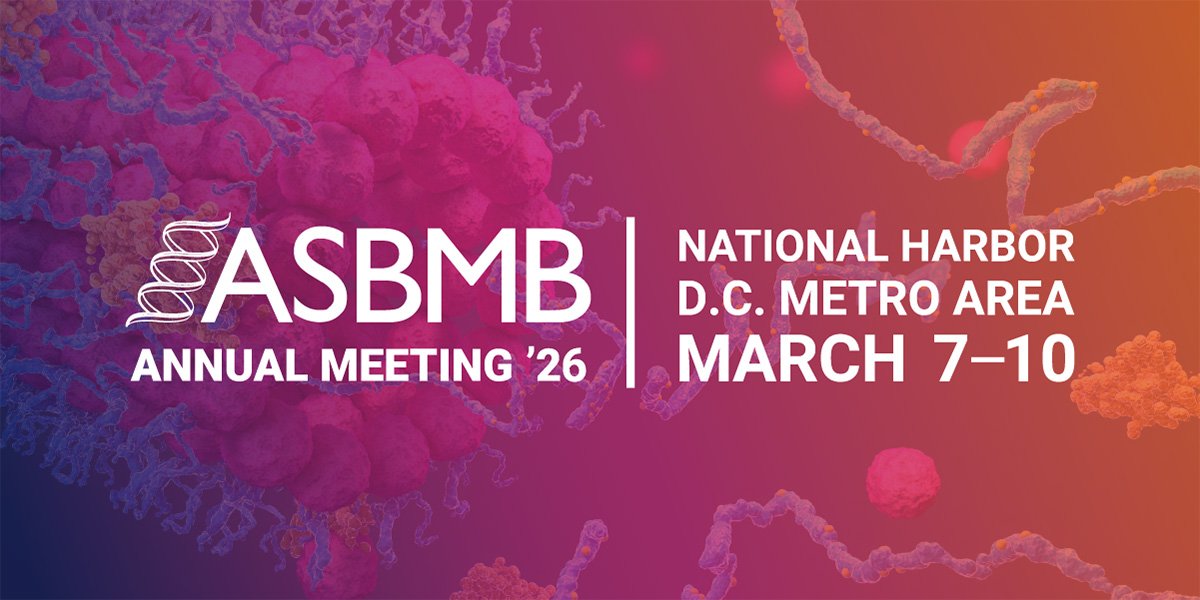

ASBMB 2026 Advances Biochemistry Research Summit to Spotlight Innovation in Molecular Life Sciences
The ASBMB 2026 Advances Biochemistry Research Summit, organized by the American Society for Biochemistry and Molecular Biology (ASBMB), will take place March 7–10, 2026, at the Gaylord National Resort & Convention Center, 201 Waterfront St, National Harbor, Washington, District of Columbia, United States. Hosted by one of the leading professional societies in the molecular life sciences, the annual meeting is expected to convene thousands of researchers, educators, industry scientists, and policymakers to examine the latest breakthroughs in biochemistry and molecular biology.
As the flagship event of ASBMB, the summit serves as a critical platform for presenting peer-reviewed research, fostering cross-sector collaboration, and addressing policy and funding issues shaping the global biosciences landscape. Additional event information is available through the official ASBMB annual meeting website at https://www.asbmb.org/annual-meeting.
Event Overview and Scientific Scope
A Central Forum for Biochemistry and Molecular Biology
The ASBMB annual meeting has long been regarded as a cornerstone event in the biochemical research calendar. The 2026 Advances Biochemistry Research Summit will feature plenary lectures, thematic symposia, poster sessions, workshops, and career development programming. Scientific sessions are expected to span core and emerging disciplines including enzymology, structural biology, gene regulation, cell signaling, metabolism, systems biology, computational biochemistry, and synthetic biology.

The meeting typically draws academic investigators from universities and research institutes, early-career scientists, graduate students, postdoctoral fellows, and representatives from biotechnology, pharmaceutical, and life sciences instrumentation companies. Federal agency officials and science policy experts also participate, reflecting ASBMB’s engagement in advocacy and research funding initiatives.
Interdisciplinary and Translational Emphasis
In recent years, ASBMB programming has increasingly emphasized translational research—bridging fundamental biochemical discoveries with clinical and commercial applications. At the 2026 summit, discussions are expected to address topics such as biomarker discovery, therapeutic target validation, precision medicine, and the biochemical basis of emerging diseases.
With advances in artificial intelligence-driven drug design, cryo-electron microscopy, and multi-omics integration reshaping laboratory research, the meeting will likely showcase how computational tools and high-throughput platforms are accelerating discovery pipelines.
Industry Context: Growth in the Global Life Sciences Market
Expanding Biopharmaceutical and Biotechnology Sectors
The ASBMB 2026 Advances Biochemistry Research Summit takes place amid sustained growth in the global biotechnology and biopharmaceutical markets. Industry analysts project continued expansion driven by demand for targeted therapies, gene and cell therapies, mRNA-based platforms, and biologics manufacturing innovation.
Biochemistry and molecular biology research underpin much of this growth. From enzyme engineering to protein therapeutics and metabolic pathway optimization, foundational biochemical research directly informs commercial drug development and industrial biotechnology applications.
The presence of exhibitors at the summit—typically including laboratory equipment manufacturers, reagent suppliers, data analytics firms, and biotech companies—reflects the commercialization pathways linked to academic discovery. These exhibitors use the event to showcase new technologies in imaging, sequencing, proteomics, and structural analysis.
Federal Funding and Policy Environment
The summit also occurs in a policy environment shaped by federal research funding priorities. U.S. agencies such as the National Institutes of Health (NIH), National Science Foundation (NSF), and Department of Energy (DOE) remain central to financing biochemical research. Discussions at ASBMB meetings often address grant funding trends, workforce development, research integrity, and diversity in science.
Washington, D.C., as the host location, underscores the connection between research and federal policymaking. The proximity to federal institutions enables dialogue between scientists and policymakers on issues including biomedical innovation competitiveness, supply chain resilience for laboratory materials, and regulatory frameworks for emerging biotechnologies.
Economic and Strategic Impact of the Summit
Regional Economic Contribution
Hosting the ASBMB 2026 Advances Biochemistry Research Summit at the Gaylord National Resort & Convention Center in National Harbor is expected to generate measurable economic activity for the Washington metropolitan area. Large-scale scientific conferences typically drive hotel occupancy, hospitality revenue, and local transportation demand. Attendees traveling domestically and internationally contribute to tourism spending while reinforcing the region’s reputation as a hub for scientific and policy engagement.
Convention centers such as the Gaylord National play a strategic role in attracting high-value professional events. For life sciences conferences, facilities capable of accommodating large poster sessions, exhibitor halls, and hybrid digital components are increasingly important.
Workforce Development and Talent Pipeline
Beyond direct economic effects, the summit plays a strategic role in workforce development. ASBMB’s programming often includes career fairs, mentoring sessions, and professional skills workshops designed to support trainees and early-career scientists. Given ongoing talent shortages in specialized areas such as bioinformatics, structural biology, and advanced biomanufacturing, these initiatives are closely aligned with industry workforce needs.
Employers from biotechnology firms, pharmaceutical companies, and research service providers use the meeting to identify emerging talent and promote recruitment pipelines. This interaction between academia and industry helps accelerate technology transfer and commercialization.
Exhibitors and Technology Trends
Tools Powering Modern Biochemistry
Exhibitors at the ASBMB annual meeting typically represent sectors including laboratory instrumentation, reagents and consumables, software platforms, and contract research services. Advances in single-molecule imaging, next-generation sequencing, mass spectrometry, and AI-enabled data analysis are reshaping experimental design and interpretation.
The increasing integration of automation and robotics into laboratory workflows is also a key trend. Automated liquid handling systems, cloud-based laboratory information management systems (LIMS), and machine learning-driven analytics are enabling higher throughput and reproducibility.
Collaboration Across Sectors
The summit’s exhibition floor serves as a marketplace of ideas where academic researchers evaluate new technologies and industry representatives gather feedback to refine product development. Startups and early-stage biotech firms often use such gatherings to raise visibility among potential partners and investors.
This convergence of research, technology, and commercialization reinforces the event’s role as more than a scientific meeting; it is also a business and innovation forum for the molecular life sciences sector.
Strategic Importance for the Scientific Community
The ASBMB 2026 Advances Biochemistry Research Summit arrives at a time when global challenges—from emerging infectious diseases to metabolic disorders and climate-related biological impacts—demand biochemical insight. The event provides a venue for sharing reproducible data, debating methodologies, and establishing collaborative networks that extend beyond the conference itself.
By convening stakeholders across academia, industry, and government, the summit strengthens the ecosystem that supports discovery and translation. In an era of rapid technological change and competitive global research investment, such gatherings contribute to maintaining scientific leadership and accelerating the pace of innovation.
As the molecular life sciences continue to shape healthcare, agriculture, energy, and environmental sustainability, the ASBMB annual meeting remains a focal point for defining the research agenda and aligning scientific priorities with market and societal needs.