No products in the cart.

AAAAI 2026 Allergy and Immunology Meeting
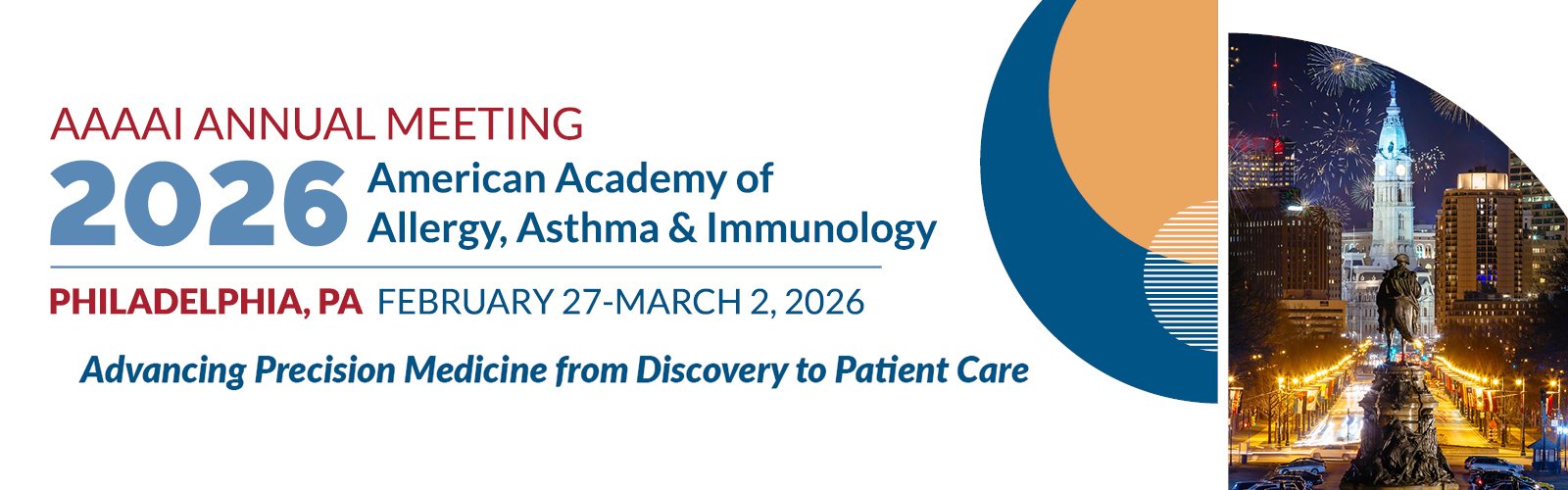

AAAAI 2026 Allergy and Immunology Meeting to Spotlight Advances in Immunotherapy and Respiratory Care
The AAAAI 2026 Allergy and Immunology Meeting, hosted by the American Academy of Allergy, Asthma & Immunology (AAAAI), will take place from February 27 to March 2, 2026, at the Pennsylvania Convention Center in Philadelphia, Pennsylvania. Organized by one of the world’s leading professional organizations in the field, the annual meeting is a central gathering point for specialists in allergy, asthma, and clinical immunology.
Held at the Pennsylvania Convention Center (https://www.paconvention.com/), the event is expected to draw thousands of clinicians, researchers, allied health professionals, industry representatives, and policymakers. Additional information is available through the official event website at http://annualmeeting.aaaai.org/.
A Flagship Event in Allergy and Immunology
The AAAAI Annual Meeting is widely regarded as a premier scientific conference in the field of allergy and immunology. It serves as a forum for presenting peer-reviewed research, clinical trial data, updated treatment guidelines, and emerging technologies related to allergic diseases, asthma, atopic dermatitis, food allergies, drug hypersensitivity, and primary immunodeficiency disorders.

The American Academy of Allergy, Asthma & Immunology, headquartered at 1101 Arch St, Philadelphia, PA 19107, represents thousands of allergists, immunologists, and allied health professionals in the United States and globally. Its annual meeting functions as both a scientific congress and a strategic industry marketplace, where research, regulation, and commercialization intersect.
Attendees typically include board-certified allergists and immunologists, pulmonologists, pediatricians, dermatologists, nurse practitioners, physician assistants, laboratory researchers, and healthcare administrators. The event also attracts pharmaceutical executives, biotech innovators, diagnostics companies, medical device manufacturers, and contract research organizations.
Industry Context: A Growing Global Allergy and Asthma Market
The 2026 meeting takes place amid sustained growth in the global allergy and asthma therapeutics market. Rising prevalence of allergic diseases—driven by urbanization, environmental changes, and lifestyle factors—has increased demand for targeted biologics, precision diagnostics, and immunomodulatory therapies.
Asthma alone affects hundreds of millions globally, while food allergies and atopic conditions continue to rise among pediatric populations. This expanding patient base has fueled significant investment in monoclonal antibodies, novel immunotherapies, and next-generation inhaled therapies.
Biologics targeting IgE, interleukins (IL-4, IL-5, IL-13), and other inflammatory pathways are reshaping treatment protocols. In parallel, advances in genetic testing and molecular diagnostics are enhancing personalized medicine approaches. The AAAAI 2026 meeting provides a venue for unveiling late-stage clinical trial data and post-marketing surveillance findings that can influence prescribing behavior and reimbursement decisions.
Scientific Programming and Clinical Translation
A central feature of the AAAAI Allergy and Immunology Meeting is its structured scientific program, which typically includes:
– Plenary sessions on breakthrough research
– Oral abstract presentations and poster sessions
– Continuing medical education (CME) workshops
– Practice management seminars
– Hands-on training modules
The meeting’s educational focus is critical in a field where treatment guidelines evolve rapidly. New data on immunotherapy protocols, biologic sequencing strategies, and combination therapies can have immediate implications for clinical practice.
Sessions addressing food allergy desensitization, eosinophilic disorders, and severe asthma management are expected to draw particular attention in 2026, as regulatory approvals and pipeline developments accelerate in these segments.
Exhibition Floor: Biopharma and Diagnostics at the Forefront
The exhibition component of the AAAAI 2026 meeting represents a significant business platform. Pharmaceutical manufacturers developing biologics for asthma and atopic dermatitis typically maintain a strong presence, alongside companies specializing in allergy diagnostics, epinephrine delivery systems, pulmonary function testing equipment, and digital health monitoring tools.
Biotechnology startups frequently use the meeting to introduce early-stage innovations to clinicians and potential investors. Meanwhile, established firms leverage the event to strengthen brand visibility among prescribing specialists.
Given the competitive nature of the immunology therapeutics landscape, the exhibition hall often reflects broader market consolidation trends, licensing agreements, and pipeline diversification strategies. Networking events, satellite symposia, and advisory board meetings held during the conference further reinforce its role as a strategic industry hub.
Regulatory and Policy Dimensions
The AAAAI Annual Meeting also serves as a forum for discussion of regulatory updates and health policy shifts. U.S. Food and Drug Administration (FDA) approvals, biosimilar pathways, and reimbursement frameworks significantly influence access to high-cost biologics.
Policy sessions typically examine payer coverage decisions, step therapy protocols, and value-based care models. In an environment of rising healthcare expenditures, allergy and immunology specialists face increasing scrutiny regarding cost-effectiveness and long-term outcomes.
The 2026 meeting is likely to address evolving standards around environmental health, climate-related respiratory disease patterns, and public health responses to emerging allergens.
Economic Impact for Philadelphia
Hosting the AAAAI 2026 Allergy and Immunology Meeting at the Pennsylvania Convention Center positions Philadelphia as a temporary nexus of medical expertise and industry commerce. Large-scale medical conferences generate measurable economic benefits for host cities through hotel occupancy, dining, transportation, and tourism activity.
With thousands of expected attendees over four days, the event will contribute to local hospitality revenues and reinforce Philadelphia’s standing as a destination for major healthcare and life sciences conventions.
Pennsylvania’s broader life sciences ecosystem, which includes academic medical centers, biotechnology firms, and pharmaceutical research operations, also benefits indirectly from the presence of industry stakeholders during the meeting.
Strategic Importance for Stakeholders
For clinicians, the AAAAI Annual Meeting offers direct access to cutting-edge research and peer collaboration. For researchers, it provides a global platform to disseminate findings and build cross-institutional partnerships. For industry leaders, it is a high-value venue for market intelligence gathering, product positioning, and competitive analysis.
The meeting’s timing early in the calendar year further amplifies its strategic relevance, often setting the tone for research priorities, clinical guidelines, and commercial strategies for the year ahead.
As allergic and immunologic diseases continue to impose substantial healthcare burdens worldwide, the AAAAI 2026 Allergy and Immunology Meeting stands as a central forum shaping the clinical, scientific, and commercial trajectory of the specialty.