No products in the cart.

Africa Energy Indaba 2026 Industry Outlook
Africa Energy Indaba 2026 Industry Outlook: Shaping Africa’s Energy Transition in a Volatile Global Market
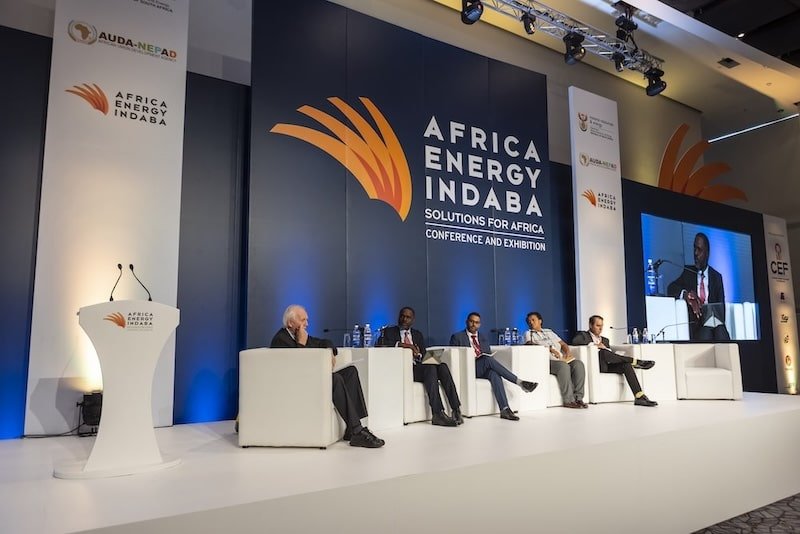
The Africa Energy Indaba 2026 Industry Outlook, scheduled for 3–5 March 2026 at the Cape Town International Convention Centre (CTICC) in Cape Town, Western Cape, places the continent’s evolving energy strategy under close examination. Held at Convention Square, 1 Lower Long Street, the annual gathering convenes policymakers, utilities, independent power producers, financiers, technology providers, and regulators to assess Africa’s power sector trajectory amid accelerating global energy transition pressures.
Hosted in one of Africa’s leading conference venues, the event serves as a strategic platform for addressing investment gaps, grid modernization, renewable integration, and energy security across diverse national markets. As African economies confront rising electricity demand, infrastructure deficits, and climate commitments, the 2026 edition reflects a pivotal moment for coordinated action.
A Strategic Platform for Energy Policy and Investment
Africa Energy Indaba has long positioned itself as a high-level forum bridging public and private sector interests. The 2026 Industry Outlook edition is expected to attract energy ministers, regional power pool representatives, multilateral development institutions, utilities, and renewable energy developers. Discussions typically span power generation, transmission infrastructure, energy storage, gas-to-power strategies, and green hydrogen opportunities.

The location—Cape Town International Convention Centre—reinforces South Africa’s central role in continental energy discourse. South Africa remains Africa’s most industrialized economy and one of its largest electricity markets, currently undergoing structural reform, unbundling of its national utility, and significant renewable procurement under the Renewable Energy Independent Power Producer Procurement Programme (REIPPPP).
The event’s agenda, detailed through its official platform (https://africaenergyindaba.com), emphasizes practical market solutions rather than purely policy rhetoric. Stakeholders attend not only to debate regulatory frameworks but also to secure project financing, explore cross-border power trade, and evaluate emerging technologies.
Industry Context: Africa’s Energy Deficit and Transition Pressures
The Africa Energy Indaba 2026 Industry Outlook unfolds against a backdrop of persistent electricity access challenges. Despite progress in several regions, hundreds of millions across sub-Saharan Africa still lack reliable access to power. Rapid urbanization, industrialization ambitions, and digital transformation are further intensifying demand.
At the same time, global decarbonization commitments are reshaping investment flows. International capital increasingly prioritizes renewable energy, grid resilience, battery storage, and low-carbon fuels. African governments must therefore balance three core imperatives:
– Expanding access and reliability
– Ensuring affordability
– Meeting climate and sustainability targets
Gas continues to play a transitional role in several African markets, particularly in West and Southern Africa, where domestic reserves support power generation projects. Meanwhile, solar and wind capacity additions are accelerating, driven by falling technology costs and international climate finance mechanisms.
The Industry Outlook segment of Africa Energy Indaba 2026 is expected to address how African markets can integrate renewables at scale while modernizing aging transmission infrastructure and improving regulatory certainty to attract long-term capital.
Key Sectors and Stakeholders Represented
Renewable Energy and Storage
Solar PV and onshore wind remain dominant growth segments across the continent. Countries such as South Africa, Egypt, Morocco, and Kenya continue to lead in installed renewable capacity. Battery energy storage systems (BESS) are gaining prominence as grid stability becomes a priority amid variable renewable generation.
Technology providers and engineering, procurement, and construction (EPC) firms use the Indaba platform to present grid-scale solutions and hybrid systems tailored to African grid conditions.
Gas-to-Power and Energy Security
With geopolitical volatility affecting global energy markets, African governments are increasingly evaluating domestic gas resources as a pathway to energy security. Liquefied natural gas (LNG) infrastructure and regional pipeline projects remain part of broader energy mix strategies.
Industry panels at the Africa Energy Indaba 2026 Industry Outlook are likely to examine how gas projects can align with long-term decarbonization goals while ensuring immediate reliability improvements.
Transmission, Distribution, and Regional Power Pools
Grid bottlenecks remain a major constraint to project deployment. Investment in transmission corridors and interconnectors—particularly within the Southern African Power Pool (SAPP) and West African Power Pool (WAPP)—is critical to facilitating cross-border electricity trade.
Utilities, regulators, and multilateral development banks attending the Indaba often focus on financing models for grid expansion and digital grid management technologies.
Green Hydrogen and Emerging Technologies
Green hydrogen has emerged as a strategic opportunity for resource-rich African nations with strong solar and wind potential. South Africa and Namibia, among others, are advancing export-oriented hydrogen strategies. Discussions at the 2026 edition are expected to assess infrastructure requirements, offtake agreements, and export market dynamics.
Investment Climate and Market Signals
The Africa Energy Indaba 2026 Industry Outlook takes place at a time when global investors are recalibrating risk exposure in emerging markets. Currency volatility, sovereign debt pressures, and evolving procurement frameworks can affect capital flows into energy infrastructure.
However, the long-term fundamentals remain compelling. Africa holds some of the world’s highest solar irradiation levels, significant untapped wind corridors, and expanding consumer markets. International financial institutions—including development finance institutions and climate funds—continue to play a catalytic role in de-risking projects.
For private sector participants, the Indaba provides direct access to government officials and project sponsors, enabling negotiations that can shape power purchase agreements, licensing frameworks, and cross-border trade arrangements.
Economic and Strategic Importance
Energy infrastructure underpins industrial development, mining operations, digital economies, and manufacturing expansion across Africa. Without reliable electricity, broader economic transformation goals remain constrained.
Events such as Africa Energy Indaba contribute to:
– Policy alignment across African markets
– Regional integration through shared infrastructure initiatives
– Mobilization of public-private partnerships
– Acceleration of renewable energy deployment
Cape Town’s role as host city also underscores the Western Cape’s positioning as a renewable energy hub within South Africa. The CTICC venue supports large-scale exhibitions and policy summits, reinforcing the city’s status as a gateway for continental business engagement.
Outlook for 2026 and Beyond
As the Africa Energy Indaba 2026 Industry Outlook convenes stakeholders from 3 to 5 March 2026, the central question remains how quickly Africa can transition from energy deficit to energy opportunity. Structural reforms in key markets, declining renewable costs, and growing climate finance commitments suggest momentum is building.
Yet implementation challenges—ranging from permitting delays to grid constraints—persist. The effectiveness of the continent’s energy transition will depend on regulatory clarity, coordinated regional planning, and sustained investment.
By bringing together government leaders, energy companies, financiers, and technology innovators at the Cape Town International Convention Centre, Africa Energy Indaba 2026 positions itself as a critical forum for defining Africa’s power sector trajectory. In a global energy market marked by uncertainty, the continent’s strategic choices in 2026 may shape its economic resilience for decades to come.

Related Posts