No products in the cart.

America’s $1.17 Trillion Credit Card Crisis: How We Got Here and What’s Next
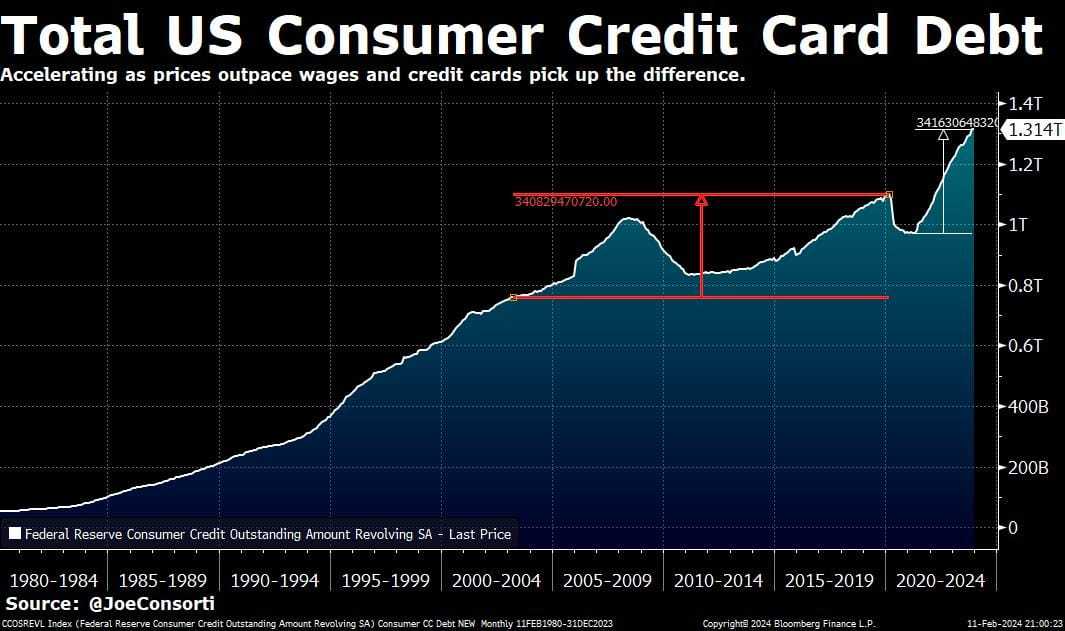
Alright, let’s get real. Credit card debt in the U.S. has hit $1.17 trillion—and yeah, that’s a trillion with a “T.” Let that number sink in for a second. This isn’t just about numbers on a spreadsheet; it’s a gut punch to millions of people out there, scraping by while interest rates shoot past 20% like it’s nothing. You feel that? That collective weight? It’s crushing households, stretching entrepreneurs to their breaking point, and creating this suffocating, never-ending loop of “How do I pay this off while I’m already underwater?”
This debt—it doesn’t exist in a vacuum. It’s not just that people are out there spending recklessly or maxing out cards for fun. No, this is systemic. It’s about wages not keeping up with inflation. It’s about savings getting obliterated. It’s about people using plastic just to keep the lights on or to put gas in their tank because their paycheck disappeared before rent was even due. And if you think that doesn’t ripple out, you’re wrong. This level of debt? It’s not just a personal crisis; it’s a societal one.
The Household Fallout: Stress, Sacrifice, Survival

Let’s talk about what this feels like. Imagine you’re a parent. You’re sitting at the kitchen table late at night, staring at the stack of bills and the glowing numbers on your credit card app. You’ve got $7,000 in balances, an interest rate of 24%, and no idea how you’re going to climb out. You’re paying the minimum, and you know what that means: you’re not actually paying anything. You’re barely covering the interest.
And now you’re cutting corners. Forget vacations—those are a distant memory. Groceries? You’re looking at generic brands, skipping the nice stuff, and maybe even skipping meals. Health care? You’re putting off that doctor’s visit because you can’t swing the co-pay. It’s this constant grind of trying to stretch a dollar that’s already been stretched too thin. And the kicker? It doesn’t end. Every time you think you’ve got a handle on it, something else blows up—car repairs, medical bills, the kid’s braces. Boom. More debt.
Entrepreneurs in the Crosshairs
And for entrepreneurs? It’s a whole different level of stress. You’ve got a vision, right? You’ve got a dream. But guess what? Dreams don’t pay the bills. You’re bootstrapping, maybe using your personal credit to get your business off the ground. But when personal debt is already sky-high, what’s your option? Take out more? Good luck getting approved with a credit score that’s taken a beating because you’ve maxed out every card you own.
Even if you’re running a business that’s pulling in revenue, you’re stuck in this juggling act—pay employees, invest in growth, or pay down debt? Pick one, because you can’t do all three. And the interest? That’s eating away at whatever profit you thought you had. It’s a chokehold, plain and simple.
How Did We Get Here?
This didn’t happen overnight. Let’s rewind a few years. Back during the Trump administration, there was a lot of focus on cutting taxes and boosting the economy. On the surface, it worked. Unemployment was low, the markets were soaring, and people had money to spend. But let’s not forget: those tax cuts? They disproportionately benefited corporations and the wealthy. Regular folks? They got a little bump, sure, but not enough to offset rising costs of living. And as businesses thrived, wages stagnated for most workers, leaving them with no choice but to turn to credit when the bills came due.
Then the pandemic hit, and everything went sideways. The government threw money at the problem—stimulus checks, unemployment boosts, eviction moratoriums. All good things in the short term. But long term? That flood of cash pumped demand into the economy, while supply chains were falling apart. Boom. Inflation skyrocketed, and suddenly, everyone’s dollar was worth a whole lot less. And now here we are, paying 20-30% interest on groceries we bought last year because savings evaporated, wages didn’t grow, and credit cards became a lifeline.
Trump’s Next Move: Boom or Bust?
So now we’re looking ahead. Trump wants another shot at the presidency, and he’s got a plan—or at least he says he does. He’s talking about more tax cuts, extending what he started in 2017. Sounds great, right? Who doesn’t love keeping more of their paycheck? But let’s not kid ourselves. Those cuts aren’t free. They’ll balloon the deficit even more, and that means pressure on the Fed to keep rates high to combat inflation. You think credit card interest is bad now? Imagine rates staying this high—or going higher—for the next four years.
Then there’s his tariff obsession. He’s floating the idea of a universal 10% tariff on all imports. In theory, that’s supposed to protect American jobs and industries. In reality? It means higher prices for everything from electronics to clothes to food. And guess what people are going to use to cover those costs? Credit cards. It’s a vicious cycle.
But here’s the kicker: Trump also wants to mess with the Fed. He’s made it clear he doesn’t like how independent they are, and he’s floated ideas about having more control over interest rates. That’s dangerous territory. If the Fed loses its independence, markets lose confidence, and things get chaotic fast.
So, What’s Next?
The truth? There’s no easy fix. You can throw tax cuts, tariffs, or deregulation at the problem, but until we tackle the root issues—wage stagnation, income inequality, affordable credit options—we’re just slapping a Band-Aid on a bullet wound. Trump’s policies might give the economy a short-term sugar rush, but they’re not addressing the long-term structural issues driving this debt crisis.
For households, for entrepreneurs, for anyone just trying to keep their head above water, this debt feels like a weight that won’t let up. And unless we see some real change—policies that prioritize people over profits, wages over stock buybacks—this $1.17 trillion isn’t just a number. It’s a warning sign. And we better start paying attention.

Related Posts