No products in the cart.

EuroShop 2026 Dusseldorf Highlights Retail Trends
EuroShop 2026 Dusseldorf Highlights Retail Trends Ahead of a Critical Industry Cycle
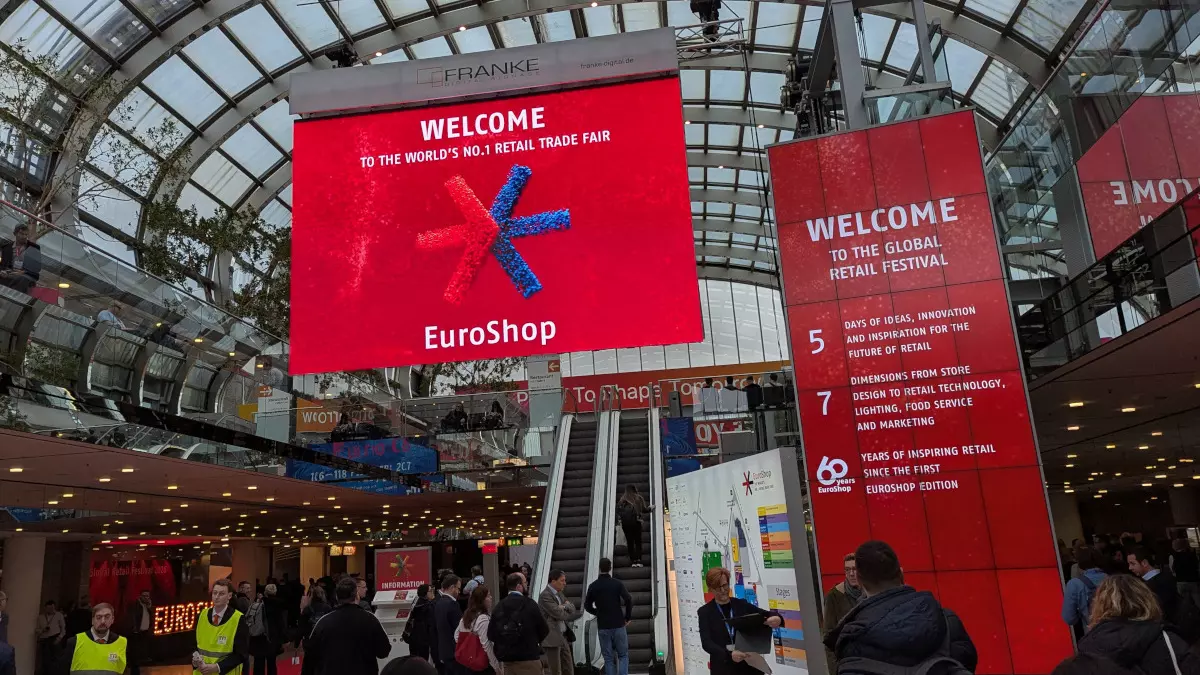
EuroShop 2026 Dusseldorf Highlights Retail Trends at a pivotal moment for the global retail sector, as store operators, technology suppliers, and consumer brands reassess how physical and digital commerce converge. Scheduled to take place from February 22 to February 26, 2026, at MESSE DÜSSELDORF, Stockumer Kirchstraße 61, 40474 Düsseldorf, North Rhine-Westphalia, Germany, the event is positioned as a global retail trade fair and one of the industry’s most closely watched gatherings, according to official information published at euroshop-tradefair.com.
More than a traditional exhibition, EuroShop is widely regarded as a barometer of capital expenditure priorities, innovation budgets, and long-term retail strategy. As inflationary pressures, shifting consumer demand, and competitive disruption reshape the sector, the 2026 edition is expected to signal where retailers are placing their next wave of investment.
A Cross-Section of the Global Retail Ecosystem
Who Attends and Why It Matters
EuroShop 2026 in Düsseldorf is expected to convene a broad mix of stakeholders: multinational chain retailers, independent store groups, consumer goods brands, architects, fixture manufacturers, retail technology firms, payment providers, logistics specialists, and hospitality operators with retail-facing environments. While official exhibitor and attendee totals have not been specified, the fair’s global positioning indicates a substantial international presence.

What differentiates EuroShop from narrower industry events is its cross-functional structure. Retail decision-making now spans property strategy, digital infrastructure, sustainability compliance, merchandising, and marketing. A single store refurbishment can involve AI-enabled analytics, electronic shelf labels, smart energy management systems, omnichannel fulfillment capabilities, and immersive digital signage alongside traditional fixtures and flooring.
Trade fairs that integrate these overlapping domains provide insight into broader market direction. As a result, EuroShop 2026 Dusseldorf Highlights Retail Trends not only through product launches but through the collective investment themes visible across its exhibition halls.
Key Sectors Shaping EuroShop 2026
Retail Technology and Store Digitalization
Retail technology is set to be one of the defining themes of EuroShop 2026 Duesseldorf Signals Retail Market Trends. After years of accelerated e-commerce spending, many retailers are redirecting resources toward integrating digital capabilities into physical stores.
Solutions likely to dominate discussions include self-checkout and automated payment systems, RFID and inventory tracking, computer vision for loss prevention, cloud-based point-of-sale platforms, and workforce management software. Retailers are under sustained pressure to reduce shrinkage, improve labor productivity, and personalize customer engagement without adding operational complexity.
For technology exhibitors, the competitive advantage lies in demonstrating measurable return on investment and system interoperability. Buyers increasingly prioritize platforms that unify data and workflows across channels rather than isolated point solutions.
Store Design, Fixtures, and Customer Experience
Physical retail continues to evolve rather than decline. EuroShop 2026 Dusseldorf Highlights Retail Trends in store design by showcasing how layouts, materials, and visual merchandising are being reengineered to improve performance metrics such as dwell time, basket size, and conversion rates.
Modular fixtures, flexible floorplans, premium finishes, and digitally enhanced displays reflect a shift toward adaptable store concepts. This approach spans multiple segments, including grocery, fashion, beauty, DIY, travel retail, and convenience. Each format faces distinct margin pressures and traffic patterns, yet all are seeking to optimize space productivity while reinforcing brand identity.
Energy, Refrigeration, and Sustainability
Sustainability has moved from a corporate social responsibility initiative to a core financial consideration. European retailers, in particular, face high energy costs and tightening environmental reporting standards. As a result, energy-efficient lighting, advanced refrigeration systems, HVAC optimization, recyclable construction materials, and low-emission store concepts are expected to draw significant attention.
For food retailers and hospitality-linked operators, energy performance directly affects margins. EuroShop’s focus on refrigeration and energy management technologies reflects the growing alignment between environmental objectives and cost control.
Düsseldorf’s Strategic Role
Messe Düsseldorf as a Global Venue
The choice of venue reinforces the event’s strategic weight. MESSE DÜSSELDORF is one of Europe’s established exhibition centers, offering infrastructure designed for large-scale international trade fairs. Located in western Germany, the venue benefits from proximity to major retail, logistics, and manufacturing hubs within North Rhine-Westphalia and neighboring regions.
Strong transport connectivity supports international participation, enabling efficient booth installation, supplier meetings, and side negotiations. For global exhibitors targeting European clients, Düsseldorf provides access to one of the continent’s densest economic corridors.
Regional Economic Impact
Beyond the exhibition halls, EuroShop generates measurable economic activity for the host city and region. Hotels, restaurants, transport providers, logistics firms, and stand construction companies experience concentrated demand during the event period. Trade fairs of this scale contribute to Germany’s business tourism sector and support its export-oriented industrial base.
Retail Market Context in 2026
EuroShop 2026 Duesseldorf Signals Retail Market Trends during a period of cautious but targeted investment. Retailers are balancing cost discipline with the need for modernization. Interest-rate sensitivity and uneven consumer demand have increased scrutiny on capital allocation, yet competitive pressures from marketplaces, discount chains, and direct-to-consumer brands require ongoing transformation.
Omnichannel as Operational Standard
Omnichannel retail is no longer a strategic aspiration but an operational baseline. Click-and-collect services, ship-from-store capabilities, endless aisle technology, and unified inventory visibility are embedded in many business models. The next challenge is economic sustainability: retailers are seeking omnichannel systems that enhance convenience without eroding profitability.
Automation and Labor Efficiency
Persistent labor shortages and wage inflation continue to influence store operations. Automation in checkout, shelf monitoring, replenishment, and administrative workflows is under evaluation across formats. Technologies that augment employees—rather than fully replace them—are likely to gain stronger traction, particularly when they improve service levels alongside efficiency.
Data-Driven Merchandising
Retailers increasingly demand analytics platforms that merge in-store and online data to inform pricing, promotions, assortment, and layout decisions. The ability to convert behavioral insights into actionable merchandising strategies is emerging as a competitive differentiator. EuroShop serves as a venue for comparing such solutions in a live, side-by-side environment.
Strategic Significance for the Industry
For exhibitors, EuroShop 2026 offers direct access to senior decision-makers overseeing store investment and digital transformation budgets. Complex systems involving compliance, integration, and long sales cycles often require in-person evaluation and technical discussion, reinforcing the continued relevance of global trade fairs.
For retail executives and buyers, the event provides benchmarking value. By assessing competing technologies and design concepts under one roof, attendees can gauge which narratives—ranging from artificial intelligence to experiential retail—are translating into deployable, scalable solutions.
Outlook
EuroShop 2026 Dusseldorf Highlights Retail Trends at a time when the sector is redefining growth strategies without overextending financially. Taking place from February 22–26, 2026 at MESSE DÜSSELDORF, the global retail trade fair stands as both a sourcing platform and a market signal. Its cross-sector scope positions it to reveal which retail models, technologies, and sustainability strategies are gaining credibility as the industry enters its next investment cycle.

Related Posts