No products in the cart.

Routes Americas 2026 Aviation Forum Mar 3-5

Routes Americas 2026 Aviation Forum to Convene Industry Leaders in Rio de Janeiro
Routes Americas 2026 Aviation Forum will take place from March 3–5, 2026, at EXPORIO CN in Rio de Janeiro, Brazil, bringing together senior aviation decision-makers from across North, Central, and South America. Hosted at the venue located on R. Beatriz Larragoiti Lucas, S/N – Cidade Nova, Rio de Janeiro – RJ, 20211-175, the event is part of the global Routes series organized by Routes, a platform dedicated to route development and air service planning.
As one of the most influential route development forums in the region, Routes Americas 2026 is expected to attract airlines, airports, tourism authorities, and aviation stakeholders focused on expanding air connectivity across the Americas. Full event details are available via the official website at https://www.routesonline.com/events/257/routes-americas-2026/.
A Strategic Platform for Route Development
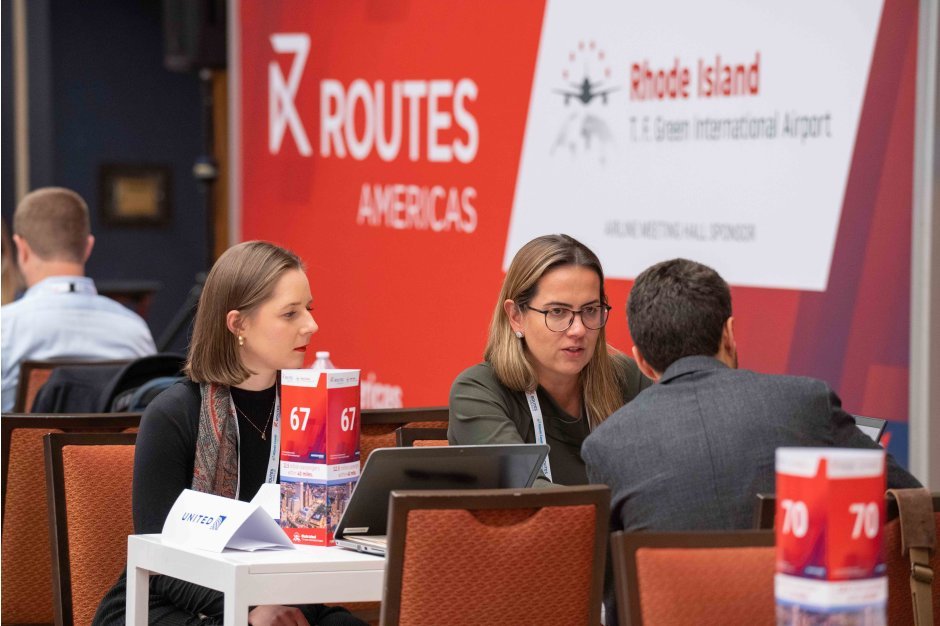
Routes Americas serves as a business-focused meeting platform where airlines and airports negotiate new and existing air services. Unlike traditional trade shows, the forum centers on pre-scheduled, face-to-face meetings between route planners and airport or destination representatives. These meetings often determine which cities gain new air links and how airlines allocate aircraft capacity.

The event typically draws network planning executives from major and low-cost carriers, alongside airport route development teams and tourism boards. By facilitating direct negotiations, the forum plays a measurable role in shaping route networks across the hemisphere.
In 2026, hosting the forum in Rio de Janeiro underscores Brazil’s position as Latin America’s largest aviation market and one of its most strategically significant hubs. The choice of venue reflects both Brazil’s domestic aviation scale and its importance in international connectivity within the Americas and beyond.
Rio de Janeiro as Host City
The selection of Rio de Janeiro and EXPORIO CN as the venue situates the event in a city with long-standing aviation relevance. Rio is served by major international gateways and functions as a key tourism and business destination. Brazil’s aviation sector, despite periodic economic volatility, remains one of the most developed in Latin America in terms of passenger volume and route density.
Brazil’s domestic aviation market is among the largest globally, driven by geographic scale and limited intercity rail alternatives. Major Brazilian carriers and international airlines operate extensive networks connecting the country to North America, Europe, and other parts of Latin America. Hosting Routes Americas 2026 in Rio provides local and regional stakeholders an opportunity to position new route proposals directly to global airline planners.
Industry Context: Growth and Recovery Across the Americas
The 2026 forum takes place against a backdrop of continued aviation recovery and network recalibration following years of operational disruption earlier in the decade. Airlines across the Americas have increasingly focused on profitability, fleet modernization, and route optimization.
Several industry trends are expected to shape discussions at Routes Americas 2026:
Capacity Expansion and Fleet Renewal
Airlines throughout North and South America are integrating next-generation narrowbody aircraft into their fleets. These aircraft offer improved fuel efficiency and extended range, enabling carriers to open thinner long-haul routes and secondary city connections. This technological shift expands opportunities for airports seeking direct international links without requiring widebody aircraft demand levels.
Growth of Low-Cost and Ultra-Low-Cost Carriers
Low-cost carriers (LCCs) and ultra-low-cost carriers (ULCCs) continue to expand across the Americas. Their route planning strategies often prioritize underserved markets, secondary airports, and point-to-point connectivity. The presence of LCC network planners at Routes Americas can significantly influence regional connectivity patterns.
Tourism-Led Route Development
Tourism authorities play a growing role in route development discussions. Many destinations offer incentive programs or marketing support to attract new air services. With Rio de Janeiro itself a globally recognized tourism hub, the 2026 forum will likely feature strong participation from destination marketing organizations across the Caribbean, Central America, and South America.
Sustainability and Regulatory Pressures
Environmental considerations are increasingly central to aviation planning. Airlines face pressure to reduce emissions through sustainable aviation fuel (SAF) adoption, operational efficiencies, and fleet renewal. Route development strategies now weigh sustainability factors alongside commercial viability, a topic likely to surface in conference panels and executive briefings.
Who Attends and Why It Matters
Routes Americas typically attracts senior representatives from:
– Airline network planning and scheduling teams
– Airport route development executives
– Tourism and economic development authorities
– Civil aviation authorities and regulators
– Aviation suppliers and service providers
For airlines, the forum offers efficient access to multiple airport partners in one location. For airports and destinations, it provides a rare opportunity to present business cases directly to decision-makers responsible for route allocation.
The economic implications are significant. Securing a new international air route can increase tourism flows, facilitate trade, and stimulate foreign investment. Studies consistently link improved air connectivity with regional GDP growth and job creation. As such, agreements initiated during Routes Americas meetings can have long-term economic effects on host communities.
Latin America’s Competitive Aviation Landscape
Latin America’s aviation market is characterized by both growth potential and structural challenges. Demand for air travel has historically been sensitive to currency volatility, fuel costs, and political shifts. However, long-term demographic trends — including urbanization and an expanding middle class — continue to support passenger growth.
Brazil, Mexico, Colombia, and Chile remain core markets, while Central American and Caribbean nations rely heavily on international air service to sustain tourism-driven economies. Routes Americas 2026 provides a venue for these markets to compete for airline capacity in an environment where aircraft supply remains constrained.
Airlines are increasingly selective in route deployment, prioritizing markets with strong yield performance and stable regulatory environments. As a result, the negotiation process facilitated by Routes Americas has become more data-driven and performance-focused.
Broader Market Implications
The outcomes of Routes Americas 2026 may influence route announcements and network adjustments for the 2026–2027 scheduling seasons. Airlines typically use such forums to refine medium-term planning strategies, assess airport incentive structures, and explore partnership opportunities.
The event also reinforces the role of in-person negotiation in an industry increasingly shaped by digital analytics. While route planning relies heavily on data modeling, final decisions often depend on strategic relationships and commercial agreements forged during forums like Routes Americas.
Outlook for Routes Americas 2026
As the aviation industry across the Americas navigates capacity constraints, sustainability demands, and evolving passenger behavior, Routes Americas 2026 Aviation Forum is positioned as a key marketplace for strategic route development. Taking place March 3–5, 2026, at EXPORIO CN in Rio de Janeiro, the event will gather the region’s aviation leadership at a pivotal time for network growth and competitive positioning.
With airlines reassessing expansion priorities and destinations competing for connectivity, the forum’s discussions are expected to shape air service patterns across the hemisphere in the years ahead.