No products in the cart.

World Vaccine Congress Washington 2026 Preview
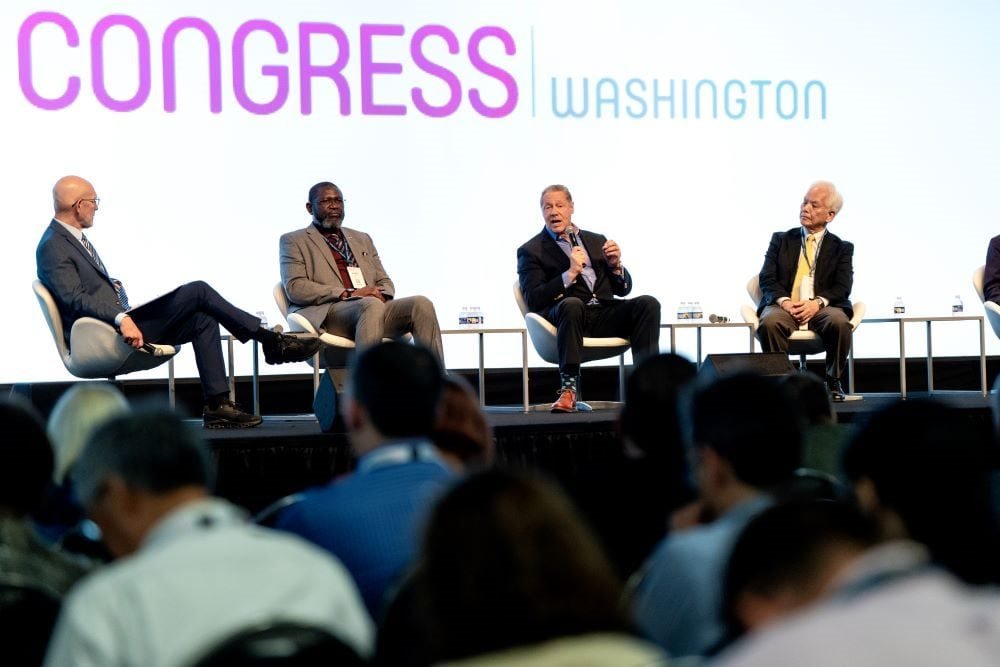

World Vaccine Congress Washington 2026 Preview
The World Vaccine Congress Washington 2026 is set to convene from March 30 to April 2, 2026, at the Walter E. Washington Convention Center, located at 801 Allen Y. Lew Place NW, Washington, DC 20001, United States. As one of the leading vaccine-focused gatherings in North America, the event will bring together senior stakeholders from across the vaccines value chain at a pivotal time for the global immunization market.
Organized by Terrapinn, the congress serves as a central meeting point for industry executives, researchers, policymakers, investors, and public health leaders. Further details are available through the official event website at http://www.terrapinn.com/conference/world-vaccine-congress-washington/?pk_campaign=Event&pk_kwd=Related6354.
A Strategic Gathering for the Global Vaccine Industry
Scope and Audience
The World Vaccine Congress Washington is designed as a comprehensive platform covering the full spectrum of vaccine development and commercialization. Attendees typically include representatives from:

– Global pharmaceutical and biotechnology companies
– Emerging biotech firms and vaccine developers
– Academic and research institutions
– Government health agencies and regulators
– Non-governmental organizations and global health bodies
– Contract development and manufacturing organizations (CDMOs)
– Technology and supply chain providers
The event’s location in Washington, District of Columbia, underscores its strategic relevance. As the seat of U.S. federal health agencies and international policy organizations, Washington provides a backdrop where scientific advancement intersects with regulatory frameworks and global health diplomacy.
Core Themes and Agenda Focus
The 2026 edition is expected to address critical areas shaping the vaccine landscape, including:
– Next-generation vaccine platforms, including mRNA and viral vectors
– Pandemic preparedness and rapid-response manufacturing
– Regulatory harmonization and clinical trial innovation
– Vaccine equity and global distribution strategies
– Manufacturing scale-up and supply chain resilience
– Investment trends and public-private partnerships
These themes reflect ongoing shifts in how vaccines are researched, funded, approved, and delivered worldwide.
Market Context: A Sector in Transition
Post-Pandemic Industry Realignment
The global vaccine market experienced unprecedented expansion during the COVID-19 pandemic, driven by emergency funding, accelerated regulatory pathways, and large-scale procurement agreements. In the years since, the sector has been recalibrating.
While demand for COVID-19 vaccines has stabilized, investment and technological advancements made during the pandemic continue to influence broader immunization strategies. mRNA technology, in particular, is being explored for influenza, RSV, oncology, and rare diseases. The World Vaccine Congress Washington 2026 is expected to highlight how these platforms are transitioning from crisis response tools to long-term commercial and therapeutic assets.
Growth Drivers and Investment Trends
Several structural drivers are shaping market growth:
– Rising incidence of infectious diseases and emerging pathogens
– Increased government focus on pandemic preparedness
– Expanding adult immunization programs
– Growth in therapeutic and personalized vaccines
– Strengthening of domestic manufacturing capacity in the United States
Public funding mechanisms in the U.S., alongside global initiatives led by organizations such as Gavi and CEPI, continue to influence research pipelines and procurement strategies. For investors and biotech startups, the congress provides insight into funding pathways and partnership opportunities in a more selective capital environment.
Exhibitors and Industry Participation
Although specific exhibitor and attendee figures for 2026 have not been publicly detailed, past editions have drawn a broad cross-section of stakeholders. Exhibitors typically include:
– Vaccine developers showcasing pipeline candidates
– CDMOs offering manufacturing and fill-finish services
– Cold chain and logistics providers
– Clinical research organizations
– Bioprocessing equipment and technology firms
– Data and digital health solution providers
For these companies, the event functions as both a business development forum and a competitive intelligence platform. Networking sessions, panel discussions, and technical presentations enable direct engagement with potential partners, clients, and regulators.
Regulatory and Policy Significance
Washington as a Policy Hub
Hosting the congress in Washington, DC enhances its regulatory relevance. U.S. agencies such as the Food and Drug Administration (FDA) and the Department of Health and Human Services (HHS) play central roles in shaping vaccine approval pathways and procurement policies.
The proximity to federal institutions facilitates participation from policymakers and regulatory experts, enabling dialogue on evolving standards for clinical trials, safety monitoring, and emergency use authorizations. These discussions are particularly significant as the industry seeks to balance rapid innovation with public trust and compliance.
Global Health and Equity
Vaccine equity remains a prominent issue in global health policy. Disparities in access during the COVID-19 pandemic prompted renewed debate about intellectual property, manufacturing decentralization, and technology transfer.
At the World Vaccine Congress Washington 2026, stakeholders are expected to examine how future frameworks can improve equitable access without undermining innovation incentives. This dialogue is central to long-term market stability and reputational considerations for multinational manufacturers.
Economic Impact and Business Implications
Regional Economic Contribution
Large-scale industry events at the Walter E. Washington Convention Center contribute to the local economy through hotel occupancy, hospitality services, and business tourism. With participants traveling domestically and internationally, the congress generates measurable economic activity for Washington, DC.
Strategic Partnerships and Deal Flow
Beyond its local economic footprint, the congress serves as a catalyst for industry transactions. Strategic partnerships, licensing agreements, and manufacturing contracts are often initiated or advanced during such gatherings. In a capital-intensive sector like vaccines—where development timelines are long and regulatory requirements stringent—face-to-face engagement remains a critical component of deal-making.
Biotech startups gain exposure to pharmaceutical partners and venture investors, while established players assess emerging technologies and acquisition targets. The 2026 edition is likely to reflect a more disciplined investment climate, emphasizing platform scalability, diversified pipelines, and sustainable revenue models.
Outlook for 2026
As the vaccine industry enters a period of consolidation and technological maturation, the World Vaccine Congress Washington 2026 arrives at a defining moment. The focus has shifted from emergency mobilization to long-term resilience, diversified pipelines, and improved global access.
With its March 30 to April 2, 2026 schedule at the Walter E. Washington Convention Center, the congress is positioned to influence strategic decisions across research, regulation, manufacturing, and distribution. By convening stakeholders from across the ecosystem in the U.S. capital, the event underscores the continuing intersection of science, business, and policy in shaping the future of global immunization.