No products in the cart.

FaW TOKYO Apr 2026 Fashion Trade Show in Tokyo

FaW TOKYO Apr 2026 Fashion Trade Show to Convene Global Industry at Tokyo Big Sight
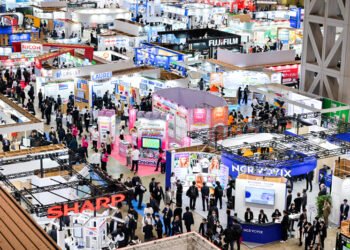
FaW TOKYO Apr 2026 Fashion Trade Show in Tokyo is set to take place from April 8 to April 10, 2026, at TOKYO BIG SIGHT, located at 3-11-1 Ariake, Koto-ku, Tokyo 135-0063, Japan. Organised under the banner of FaW TOKYO – FASHION WORLD TOKYO, the event is positioned as one of Japan’s most significant fashion trade gatherings, bringing together industry professionals from across the global fashion supply chain.
Hosted at Tokyo Big Sight, one of Japan’s largest and most prominent exhibition and convention centres, the three-day event will serve as a platform for brands, manufacturers, buyers, designers, and sourcing professionals to conduct business, explore trends, and assess new market opportunities. Further details about the venue are available at https://www.bigsight.jp/english/, while event-specific information can be found at https://www.fashion-tokyo.jp/en-gb.html.
A Comprehensive Fashion Industry Platform
FaW TOKYO – FASHION WORLD TOKYO functions as a comprehensive trade show covering multiple segments of the fashion industry. The event typically encompasses apparel, fashion accessories, textiles, sourcing services, OEM/ODM solutions, and sustainable fashion initiatives. By consolidating these segments under one umbrella, the exhibition enables cross-sector collaboration and supply chain integration.

The show attracts a professional audience that includes:
– Apparel brand owners and private label buyers
– Department stores and specialty retailers
– E-commerce operators and distributors
– Textile and material sourcing managers
– Designers and product development teams
Unlike consumer-facing fashion weeks, FaW TOKYO focuses on business-to-business (B2B) engagement. Its primary objective is to facilitate orders, sourcing agreements, manufacturing partnerships, and distribution deals within Japan and internationally.
Strategic Importance of Tokyo as a Fashion Hub
Tokyo remains one of Asia’s most influential fashion capitals, combining established retail infrastructure with a strong culture of design innovation. Japan’s fashion market is characterized by high quality standards, attention to craftsmanship, and a sophisticated consumer base that values both heritage and cutting-edge trends.
Holding FaW TOKYO Apr 2026 at Tokyo Big Sight reinforces the city’s role as a regional gateway. Tokyo serves as a strategic access point for companies targeting not only Japan but also broader East Asian markets. The country’s stable regulatory environment, advanced logistics networks, and digitally mature retail landscape make it an attractive location for international exhibitors seeking expansion in Asia.
Japan’s apparel and fashion sector has been navigating structural changes, including demographic shifts, digital transformation, and evolving consumer preferences. Trade shows such as FaW TOKYO provide a physical marketplace where businesses can adapt to these changes through direct engagement and collaboration.
Industry Trends Shaping the 2026 Edition
Sustainability and Responsible Sourcing
Sustainability continues to shape global fashion trade, and FaW TOKYO reflects this shift. Across the industry, demand for eco-friendly textiles, traceable supply chains, and low-impact manufacturing processes is growing. Japanese consumers and retailers increasingly expect transparency and compliance with environmental standards.
Exhibitors at FaW TOKYO often highlight innovations in recycled materials, biodegradable fabrics, ethical production models, and circular design strategies. As regulatory scrutiny intensifies worldwide, sustainable sourcing is no longer a niche segment but a mainstream business requirement.
Digitalisation and Supply Chain Efficiency
The fashion industry is undergoing rapid digital transformation, from 3D design tools to AI-driven demand forecasting. At trade events like FaW TOKYO, technology providers and manufacturers present solutions aimed at improving efficiency, reducing waste, and shortening product development cycles.
Digital platforms, omnichannel retail strategies, and data-driven merchandising are increasingly central to buyers’ decision-making processes. For international brands entering Japan, understanding local e-commerce ecosystems and consumer behaviour analytics is critical.
Private Label and OEM/ODM Expansion
Private label development remains a strong growth area globally. Retailers and e-commerce brands are seeking reliable OEM/ODM partners to differentiate their product lines and protect margins. FaW TOKYO offers a structured environment for these negotiations, connecting Japanese and international buyers with manufacturers capable of small-batch production, rapid prototyping, and high-quality finishing.
Japan’s reputation for precision and quality control can be a competitive advantage for suppliers operating within or in partnership with the Japanese market.
Economic and Business Impact
Trade shows such as FaW TOKYO contribute directly to the local and national economy. The influx of domestic and international attendees supports hospitality, transportation, and service sectors in Tokyo. More importantly, the event stimulates commercial transactions that extend well beyond the exhibition dates.
Orders negotiated during the three-day show can translate into months or years of production contracts, distribution agreements, and collaborative ventures. For small and medium-sized enterprises (SMEs), especially those entering the Japanese market for the first time, FaW TOKYO can serve as a cost-effective market entry strategy.
From a macroeconomic perspective, Japan’s fashion and textile industries are part of a broader manufacturing and retail ecosystem. Strengthening international trade relationships through events like FaW TOKYO supports export growth and enhances supply chain resilience in a period marked by geopolitical uncertainty and shifting global trade routes.
Exhibitor and Attendee Dynamics
FaW TOKYO typically brings together a diverse mix of domestic Japanese companies and overseas participants. International exhibitors view Japan as a high-value market with discerning buyers, while Japanese brands often use the event to explore cross-border expansion opportunities.
Attendees range from large retail chains to independent boutiques, as well as sourcing agents and corporate procurement teams. The presence of decision-makers is a defining feature of the event, as B2B trade shows depend on the authority of participants to finalize contracts and initiate partnerships.
Networking sessions, product showcases, and structured business matching opportunities further facilitate deal-making. The event’s format is designed to encourage direct engagement, enabling participants to assess product quality, negotiate terms, and evaluate long-term compatibility.
Position Within the Global Fashion Trade Calendar
FaW TOKYO Apr 2026 occupies a strategic position in the global fashion trade calendar. Scheduled in early April, it aligns with key sourcing cycles and seasonal buying decisions for many retailers. This timing allows buyers to finalize supplier selections and product lines ahead of major retail periods.
As global supply chains continue to diversify, Asia remains central to both production and consumption. Tokyo’s established infrastructure, combined with Japan’s stable business environment, strengthens FaW TOKYO’s relevance amid intensifying competition from other regional trade fairs.
Outlook for 2026
As the fashion industry navigates economic volatility, sustainability mandates, and technological disruption, trade platforms like FaW TOKYO play a stabilizing and connective role. The April 2026 edition at TOKYO BIG SIGHT is expected to reinforce Japan’s position within the global fashion ecosystem, offering a structured environment for sourcing, innovation exchange, and strategic growth.
By bringing together manufacturers, brands, buyers, and solution providers under one roof, FaW TOKYO Apr 2026 Fashion Trade Show in Tokyo underscores the continued importance of in-person trade engagement in an increasingly digital marketplace.

Related Posts