No products in the cart.

World of Hydrogen Expo 2026 Industry Outlook
World of Hydrogen Expo 2026 Industry Outlook
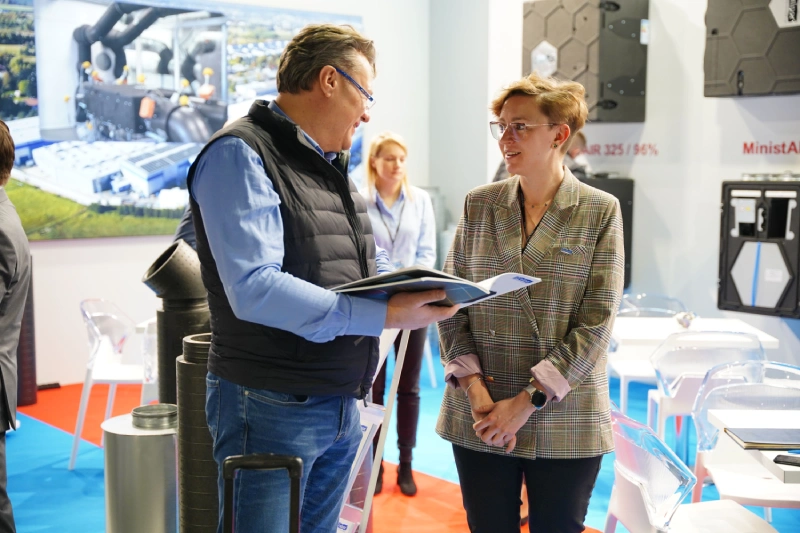
The World of Hydrogen Expo 2026 Industry Outlook positions the upcoming World of Hydrogen Expo as a strategic meeting point for Europe’s rapidly evolving hydrogen economy. Scheduled for April 14–16, 2026, the event will take place at PTAK WARSAW EXPO in Nadarzyn, Masovian, Poland, located at Al. Katowicka 62, 05-830 Nadarzyn. As governments and corporations accelerate decarbonization strategies, the expo is expected to serve as a critical forum for technology providers, policymakers, manufacturers, and investors shaping the hydrogen value chain.
Hosted at one of Central Europe’s largest exhibition centers, PTAK WARSAW EXPO (https://warsawexpo.eu/en/), the event underscores Poland’s growing relevance in Europe’s energy transition landscape. Additional event information is available through the official website at https://worldofhydrogenexpo.com/en/.
A Strategic Platform for the Hydrogen Economy
The World of Hydrogen Expo 2026 will bring together stakeholders across production, storage, distribution, and end-use applications of hydrogen. The event is structured as both an exhibition and industry forum, focusing on technological innovation, infrastructure deployment, and regulatory frameworks.

Attendees are expected to include:
– Hydrogen technology developers
– Electrolyzer and fuel cell manufacturers
– Energy utilities and grid operators
– Industrial gas companies
– Transport and mobility firms
– Engineering, procurement, and construction (EPC) contractors
– Policymakers and regulatory authorities
– Financial institutions and project investors
The expo’s industry outlook reflects hydrogen’s expanding role in Europe’s energy diversification strategy, particularly in response to decarbonization targets under the European Green Deal and REPowerEU initiatives.
Poland’s Emerging Role in the Hydrogen Market
Hosting the event in Nadarzyn, within the Masovian region, highlights Poland’s strategic ambition to expand its hydrogen capabilities. Historically reliant on coal and conventional energy sources, Poland is now investing in renewable integration and hydrogen production as part of its long-term energy transition.
Poland is already one of Europe’s largest hydrogen producers, primarily for industrial uses such as refining and ammonia production. However, most current output is “grey hydrogen” derived from natural gas. The industry outlook for 2026 places significant emphasis on scaling green hydrogen production through renewable-powered electrolysis.
The World of Hydrogen Expo 2026 is expected to examine:
– Development of domestic electrolyzer manufacturing
– Integration of offshore wind and solar with hydrogen production
– Hydrogen corridors connecting Central and Western Europe
– Storage solutions, including salt caverns and compressed gas systems
– Blending hydrogen into existing gas infrastructure
By hosting the event at PTAK WARSAW EXPO, Poland positions itself as a regional hub connecting Western European innovation with Central and Eastern European industrial demand.
Industry Growth and Market Trends
Expansion of Green Hydrogen Capacity
Across Europe, green hydrogen capacity is projected to grow substantially by 2030, driven by policy mandates and funding mechanisms. EU targets call for the installation of at least 40 GW of renewable hydrogen electrolyzers within the bloc. This scale-up is reshaping supply chains for components such as membranes, catalysts, and power electronics.
The expo’s industry outlook reflects increasing competition among electrolyzer manufacturers, with cost reductions and efficiency improvements becoming central differentiators. Exhibitors are expected to showcase advancements in proton exchange membrane (PEM), alkaline, and solid oxide technologies.
Industrial Decarbonization
Heavy industry remains one of hydrogen’s most promising markets. Steel, chemicals, cement, and refining sectors are actively piloting hydrogen-based processes to reduce carbon intensity. Central Europe’s industrial base makes Nadarzyn a relevant location for discussions on retrofitting legacy facilities and building new hydrogen-ready plants.
Hydrogen-based direct reduced iron (DRI) technology, low-carbon ammonia production, and synthetic fuels are likely to feature prominently in conference sessions and technical exhibits.
Hydrogen Mobility and Transport Infrastructure
Another key focus of the World of Hydrogen Expo 2026 Industry Outlook is mobility. Hydrogen fuel cell vehicles, including buses, heavy-duty trucks, and rail systems, are gaining policy support in several EU member states.
Infrastructure challenges—such as refueling station deployment, storage safety standards, and cross-border transport regulations—remain significant. The expo provides a platform for transport authorities, fleet operators, and technology suppliers to align on standards and funding models.
Investment and Financing Landscape
The hydrogen economy requires substantial capital investment. Public funding through EU innovation funds, national subsidies, and public-private partnerships is catalyzing early-stage projects. However, private capital is increasingly critical to scaling infrastructure.
Institutional investors and infrastructure funds are paying closer attention to hydrogen as projects move from pilot to commercial scale. Bankability depends on long-term offtake agreements, regulatory clarity, and price competitiveness relative to fossil fuels.
The 2026 event is expected to address risk mitigation strategies, carbon pricing impacts, and long-term contracting models that can unlock project financing. Financial stakeholders attending the expo will likely evaluate opportunities in electrolyzer manufacturing, hydrogen transport networks, and integrated energy hubs.
Technology Innovation and Supply Chain Development
A defining feature of the World of Hydrogen Expo 2026 will be its focus on supply chain localization. Europe’s ambition to reduce reliance on imported fossil fuels extends to clean energy technologies. Securing access to critical raw materials, scaling component manufacturing, and building skilled labor capacity are central themes.
Digitalization is also playing a growing role in hydrogen deployment. Smart grid integration, predictive maintenance systems, and real-time monitoring platforms enhance efficiency and safety across the hydrogen value chain. Exhibitors are expected to present software and engineering solutions designed to optimize production and distribution.
Economic and Geopolitical Significance
Hydrogen has emerged not only as a decarbonization tool but also as a geopolitical instrument. Energy security concerns have accelerated diversification efforts across Europe. By fostering domestic hydrogen production and cross-border trade partnerships, countries aim to reduce vulnerability to external energy shocks.
For Poland and the broader Central European region, hosting the World of Hydrogen Expo 2026 carries symbolic and practical importance. It signals regional commitment to participating in the EU’s hydrogen strategy while attracting foreign investment and technological collaboration.
The event may also strengthen economic ties between Western European technology providers and Eastern European industrial consumers, creating integrated hydrogen corridors that span the continent.
Outlook for 2026 and Beyond
As the hydrogen sector transitions from pilot projects to industrial-scale deployment, events such as the World of Hydrogen Expo 2026 play a critical coordinating role. By convening manufacturers, utilities, regulators, investors, and researchers in Nadarzyn from April 14 to April 16, 2026, the expo will reflect the sector’s maturation and the challenges that remain.
Key questions facing the industry include cost competitiveness, infrastructure rollout speed, regulatory harmonization, and long-term demand certainty. The discussions and partnerships formed at PTAK WARSAW EXPO are likely to influence project pipelines and investment decisions across Europe.
The World of Hydrogen Expo 2026 Industry Outlook ultimately highlights a sector at a pivotal stage—transitioning from policy ambition to commercial execution, with Central Europe positioned as an increasingly important arena in the global hydrogen economy.

Related Posts