No products in the cart.

BIO-Europe Spring Mar 23–25 2026
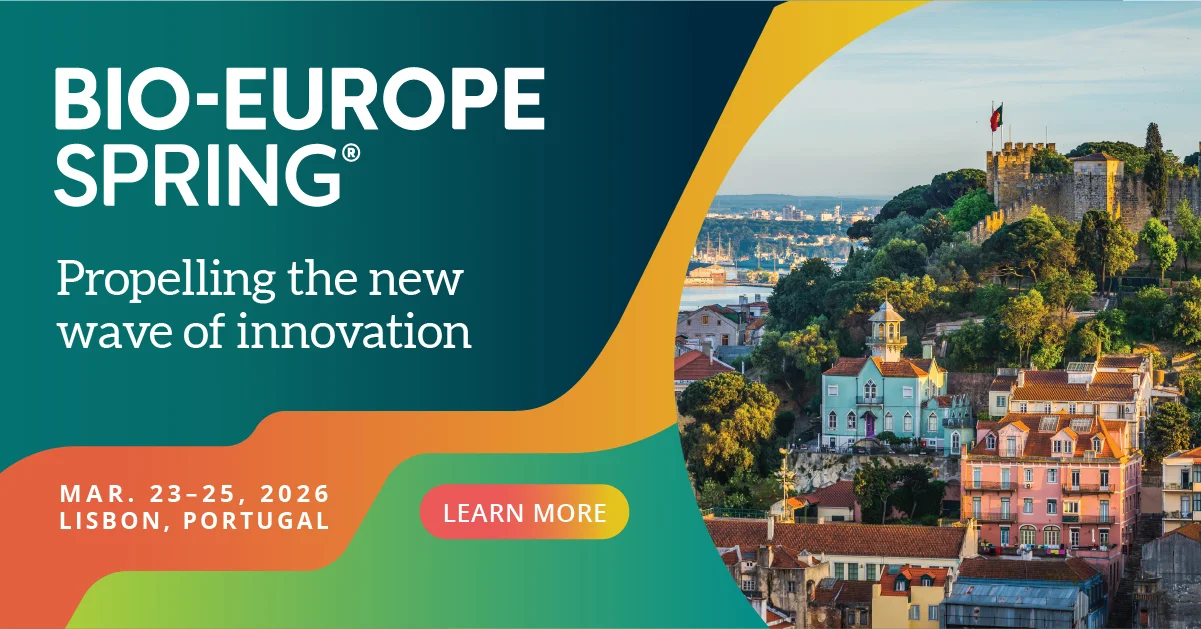
BIO-Europe Spring 2026: Europe’s Biotech Deal-Making Hub Returns to Lisbon
BIO-Europe Spring, one of Europe’s most established life sciences partnering conferences, is scheduled to take place in March 2026 in Lisbon, Portugal. Hosted at venues in the Parque das Nações district, with the listed address at R. do Bojador, 1998-010, the event is expected to bring together approximately 3,700 attendees from across the global biotechnology and pharmaceutical ecosystem.
Organized by Informa Connect, BIO-Europe Spring has become a key meeting point for early-stage biotech firms, established pharmaceutical companies, investors, and service providers seeking partnerships, licensing opportunities, and strategic collaborations.
Event Overview and Position in the Global Biotech Calendar
A Partnering-Focused Industry Event
Unlike traditional trade shows centered on product displays, BIO-Europe Spring operates primarily as a partnering conference. Its core function is to facilitate one-on-one meetings between companies and investors, often resulting in licensing agreements, co-development deals, and funding rounds.

Participants typically include:
- Biotechnology startups and scale-ups
- Global pharmaceutical companies
- Venture capital and private equity firms
- Contract research and manufacturing organizations (CROs and CMOs)
- Legal, regulatory, and commercialization advisors
The structured partnering system allows attendees to pre-schedule meetings, making the event highly transactional and outcomes-driven compared to broader exhibition-based events.
Lisbon as a Strategic Host City
Lisbon has emerged as a growing hub for innovation and international business events. Its infrastructure, accessibility, and increasing investment in life sciences and technology sectors make it a strategic location for hosting a pan-European biotech conference.
Portugal’s broader positioning within the European Union also provides access to regulatory frameworks, research funding programs, and cross-border collaboration opportunities, all of which are relevant to BIO-Europe Spring participants.
Industry Context: Biotech Growth and Investment Trends
Continued Expansion of the Global Biotech Sector
The biotechnology sector has experienced sustained growth over the past decade, driven by advances in genomics, personalized medicine, and biologics. Europe, in particular, has strengthened its position as a leading region for early-stage innovation, supported by academic research institutions and public-private funding initiatives.
BIO-Europe Spring plays a role within this ecosystem by acting as a catalyst for:
- Early-stage funding rounds
- Licensing of drug candidates and technologies
- Strategic alliances between biotech and pharma companies
Capital Flows and Deal Activity
Despite fluctuations in global capital markets, biotech remains a high-interest sector for investors due to its long-term growth potential and the demand for novel therapies. Events like BIO-Europe Spring provide a structured environment for deal-making at a time when companies are increasingly selective about partnerships and capital deployment.
The presence of venture capital firms and institutional investors at the conference reflects ongoing demand for innovation pipelines, particularly in areas such as:
- Oncology and immunotherapy
- Rare diseases and orphan drugs
- Cell and gene therapies
- AI-driven drug discovery
Exhibitors, Attendees, and Stakeholder Ecosystem
A Diverse Participant Base
With an estimated 3,700 attendees, BIO-Europe Spring attracts a highly specialized audience. While exhibitor numbers are not always the primary focus due to the event’s partnering nature, participating organizations typically represent a cross-section of the life sciences value chain.
Key stakeholder groups include:
- Biotech companies presenting pipelines and seeking funding or partnerships
- Pharmaceutical firms scouting for licensing and acquisition opportunities
- Investors evaluating early- and mid-stage assets
- Service providers offering clinical, regulatory, and commercialization support
Networking as a Core Function
The event’s structure emphasizes targeted networking rather than general foot traffic. Pre-arranged meetings, panel discussions, and informal networking sessions enable participants to engage in high-level discussions with decision-makers.
This format aligns with broader trends in B2B events, where efficiency and measurable outcomes are increasingly prioritized over scale alone.
Strategic Importance for the European Life Sciences Market
Strengthening Cross-Border Collaboration
BIO-Europe Spring facilitates cross-border collaboration within Europe and between European and international companies. This is particularly important in a fragmented regulatory and funding landscape, where partnerships can accelerate market entry and reduce development risks.
The event also supports knowledge exchange around regulatory changes, clinical trial strategies, and market access challenges, all of which are critical for companies operating in multiple jurisdictions.
Supporting Innovation Commercialization
One of the central challenges in biotechnology is translating scientific innovation into commercially viable products. Conferences like BIO-Europe Spring bridge the gap between research and commercialization by connecting innovators with capital and industry expertise.
This role is especially significant for early-stage companies that rely on partnerships to advance clinical development and navigate complex regulatory pathways.
Economic and Business Impact
Deal Generation and Long-Term Value
While immediate deal announcements may not always be publicized, BIO-Europe Spring is widely regarded as a platform where significant partnerships originate. The cumulative economic impact of these agreements extends beyond the event itself, influencing:
- Research and development investment
- Job creation within biotech and pharma sectors
- Expansion of clinical trial activity
- Growth of supporting industries such as CROs and CMOs
Contribution to Host City Economy
Hosting an international conference of this scale also contributes to Lisbon’s local economy through hospitality, transportation, and related services. More importantly, it enhances the city’s profile as a destination for high-value business events, particularly in the life sciences and technology sectors.
Outlook: The Evolving Role of Partnering Events
Shift Toward Efficiency and Specialization
The format of BIO-Europe Spring reflects a broader shift in the events industry toward specialized, outcome-driven gatherings. As digital tools enable more efficient pre-event matchmaking, the value of in-person meetings increasingly lies in relationship-building and deal finalization.
Integration with Digital Platforms
Hybrid and digital components are becoming more integrated into partnering events, allowing participants to extend engagement beyond the physical conference. This trend is expected to continue, particularly as global participation increases.
Conclusion
BIO-Europe Spring 2026 in Lisbon is positioned as a key event within the global biotechnology calendar, emphasizing partnership development, investment, and innovation commercialization. With approximately 3,700 attendees representing a wide spectrum of the life sciences industry, the conference serves as a critical platform for advancing deals and shaping the future of biotech collaboration.
Its strategic importance lies not only in the volume of meetings conducted but in its role as a connector between science, capital, and market opportunity—an increasingly vital function in a complex and rapidly evolving industry.

Related Posts